Former External Affairs Minister Salman Khurshid argues that India must resolve internal BRICS divides before seeking global impact, while critiquing 'multi-alignment' as an escape from realism.
- India is positioned as a critical 'bridge builder' to resolve internal frictions within BRICS.
- Salman Khurshid advocates for Non-Alignment over the modern concept of Multi-Alignment.
- Upcoming US elections are expected to trigger significant shifts in global diplomatic dynamics.
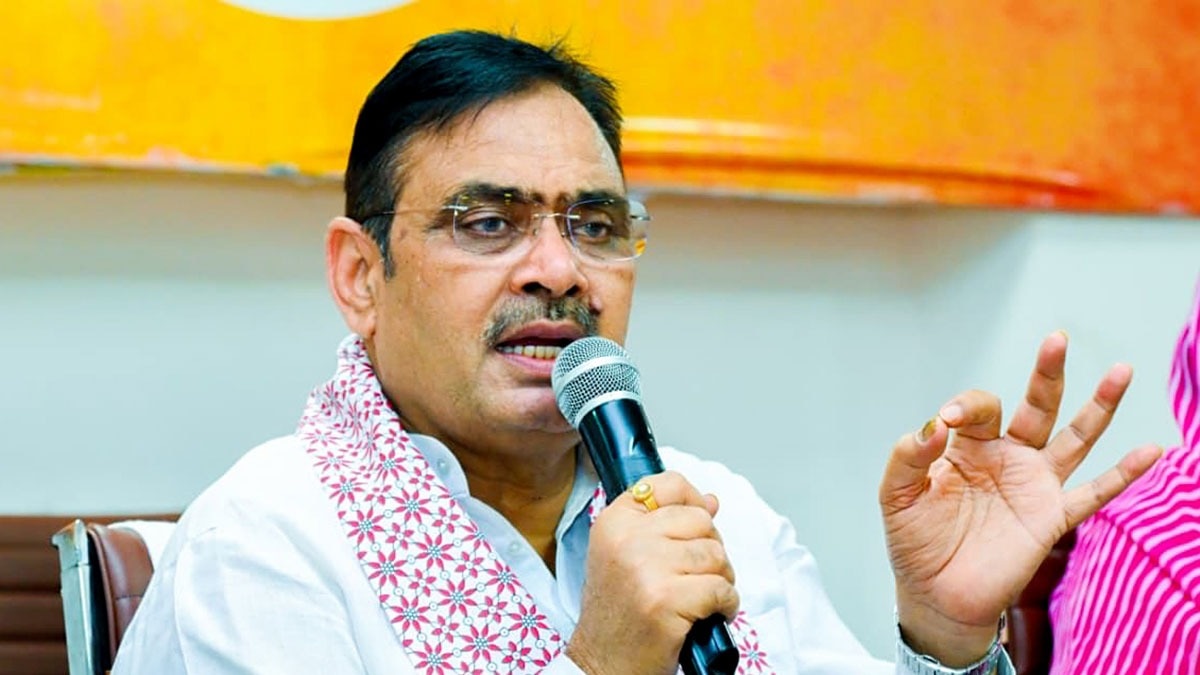
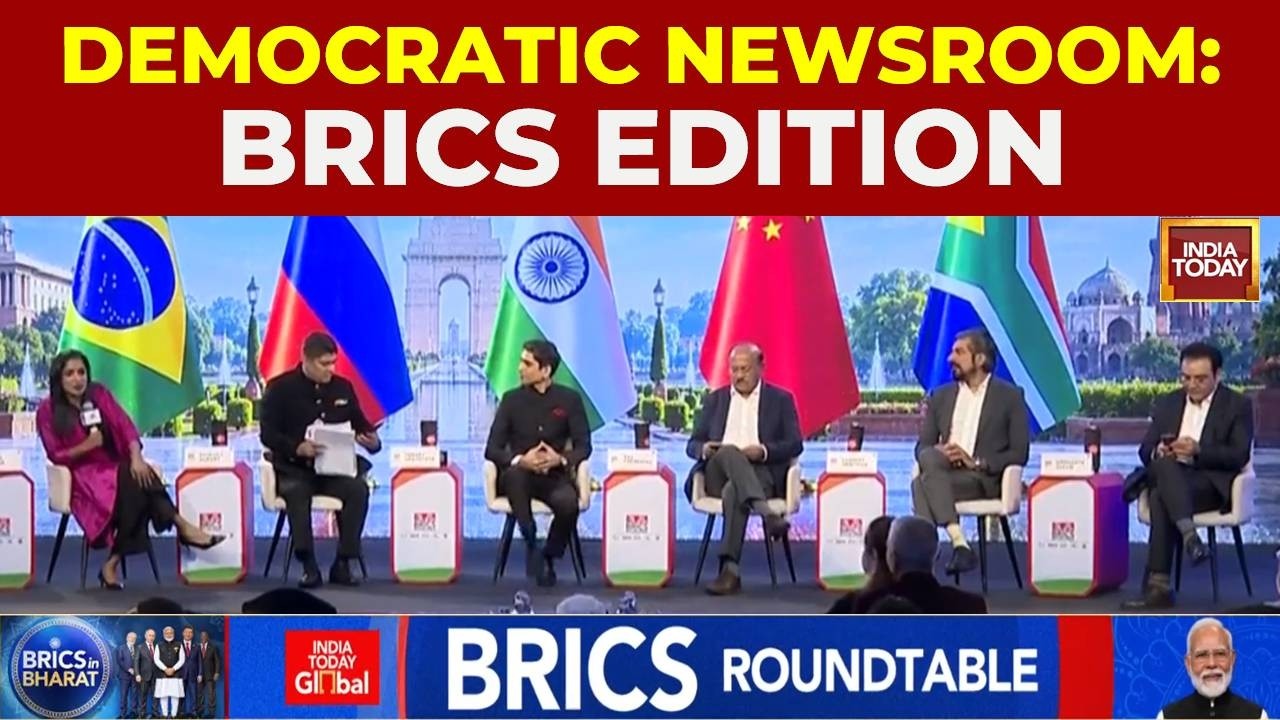
In a profound discussion on global diplomacy surrounding the 18th BRICS Summit in New Delhi, former External Affairs Minister Salman Khurshid highlighted India's pivotal leadership role. He emphasized that for BRICS to maintain its relevance and achieve a broader global impact, India must first prioritize the resolution of internal divides among its member states.
Khurshid asserted that India possesses a critical capability to "patch up things" within the bloc. With China exerting significant clout and other members navigating diverse geopolitical interests, India's ability to foster consensus is essential for the group's survival as a cohesive unit representing the Global South.
Why This Matters
BozokMedia analysis shows that India is transitioning from a passive member of international blocs to an active mediator. By balancing its ties with the West while leading the Global South, India is attempting to create a new paradigm of strategic autonomy. However, the tension between ideological consistency and pragmatic diplomacy remains a central struggle.
"Multi-alignment is an escape, non-alignment was very realistic." - Salman Khurshid
A significant portion of the debate centered on the evolution of India's foreign policy. Khurshid challenged the current trend of "multi-alignment"—the practice of maintaining strategic partnerships with opposing power centers—labeling it as an "escape." He argued that the historical ideology of Non-Alignment provided a more realistic and principled framework for a developing nation to maintain its sovereignty.
Furthermore, the discussion touched upon the precarious balance India must maintain with Western powers. With the US elections on the horizon, the potential for a shift in Washington's foreign policy necessitates a proactive diplomatic strategy from New Delhi to ensure stability in the Indo-Pacific region.
Frequently Asked Questions
Q1: Why does Salman Khurshid prefer Non-Alignment over Multi-Alignment?
A: He believes Non-Alignment was a realistic strategic choice that allowed India to remain independent, whereas Multi-Alignment can be seen as an avoidance of clear principled stances.
Q2: What is India's primary objective within the BRICS framework according to Khurshid?
A: To act as a mediator that patches up internal disputes among member states to ensure the bloc's collective global relevance.