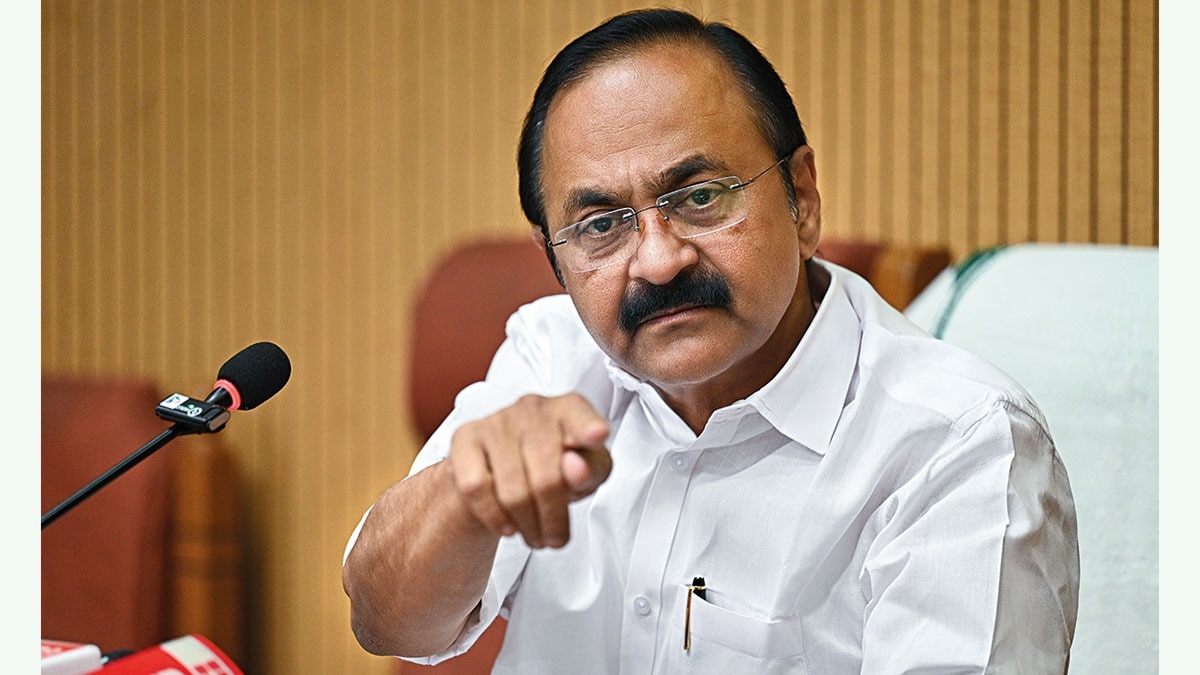
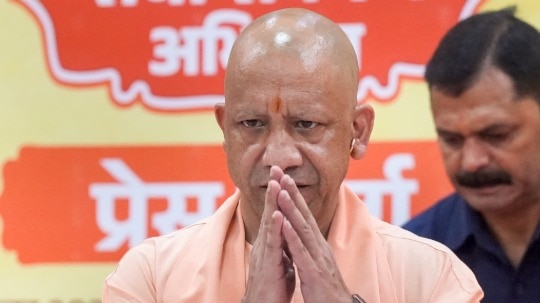
The historic face‑to‑face between China’s President Xi Jinping and India’s Prime Minister Narendra Modi at the BRICS summit has reshaped the bloc’s future. Trade, AI, and security discussions highlighted five key areas of cooperation, signaling a new strategic partnership between the two giants.
- The Xi‑Modi meeting has set a new direction for BRICS strategy.
- China plans to integrate India into five major sectors: trade, AI, green energy, digital infrastructure, and agriculture.
- Modi assures China of India's commitment to border security, influencing regional balance.
During the 15th BRICS summit in Beijing, President Xi Jinping and Prime Minister Narendra Modi held a landmark one‑on‑one dialogue that elevated bilateral engagement to unprecedented levels. The talks accelerated trade agreements and deeply impacted AI, digital infrastructure, and energy security frameworks.
Experts suggest that this encounter positions China to view India as a pivotal partner in its economic and technological ambitions. Chinese analysts highlighted the “5‑Point Plan” of BRICS, emphasizing India’s role in smart cities, green energy, and the Internet of Things.
On the Indian side, Modi pledged to keep China away from any hostile intentions and to establish a new policy framework that enhances cooperation, a step deemed critical for regional stability.
Why This Matters
BozokMedia analysis indicates that BRICS’s new trajectory will significantly alter global economic power balances. The India‑China partnership could boost bilateral trade volume by up to 20% and accelerate collaboration in AI and digital tech.
"This meeting will be a turning point for BRICS, where India and China must jointly tackle global challenges," – Dr. Sunita Rao, International Relations Specialist.
Frequently Asked Questions
1. Will this meeting affect India’s border security?
Modi explicitly stated that India will maintain its border security and reassure China against any hostility.
2. What are the five major changes in BRICS?
They include strengthening trade, AI, energy, digital infrastructure, and agriculture collaboration.