Mehbooba Mufti warns that the obsession with religious polarization is masking a total collapse of governance, leaving ordinary citizens vulnerable.
- Political polarization is distracting the majority from systemic governance failures.
- Administrative negligence in health and infrastructure is costing lives daily.
- The Muslim community is shifting toward legal and constitutional remedies to avoid confrontation.
- Societal apathy toward violence is a growing democratic threat.
In a searing critique of India's current socio-political landscape, Mehbooba Mufti argues that the nation is trapped in a dangerous '80-20' game. This game, centered on Hindu-Muslim polarization, is not just dividing the country; it is ensuring that while the minority navigates the politics of identity, the majority remains silent as essential governance collapses around them.
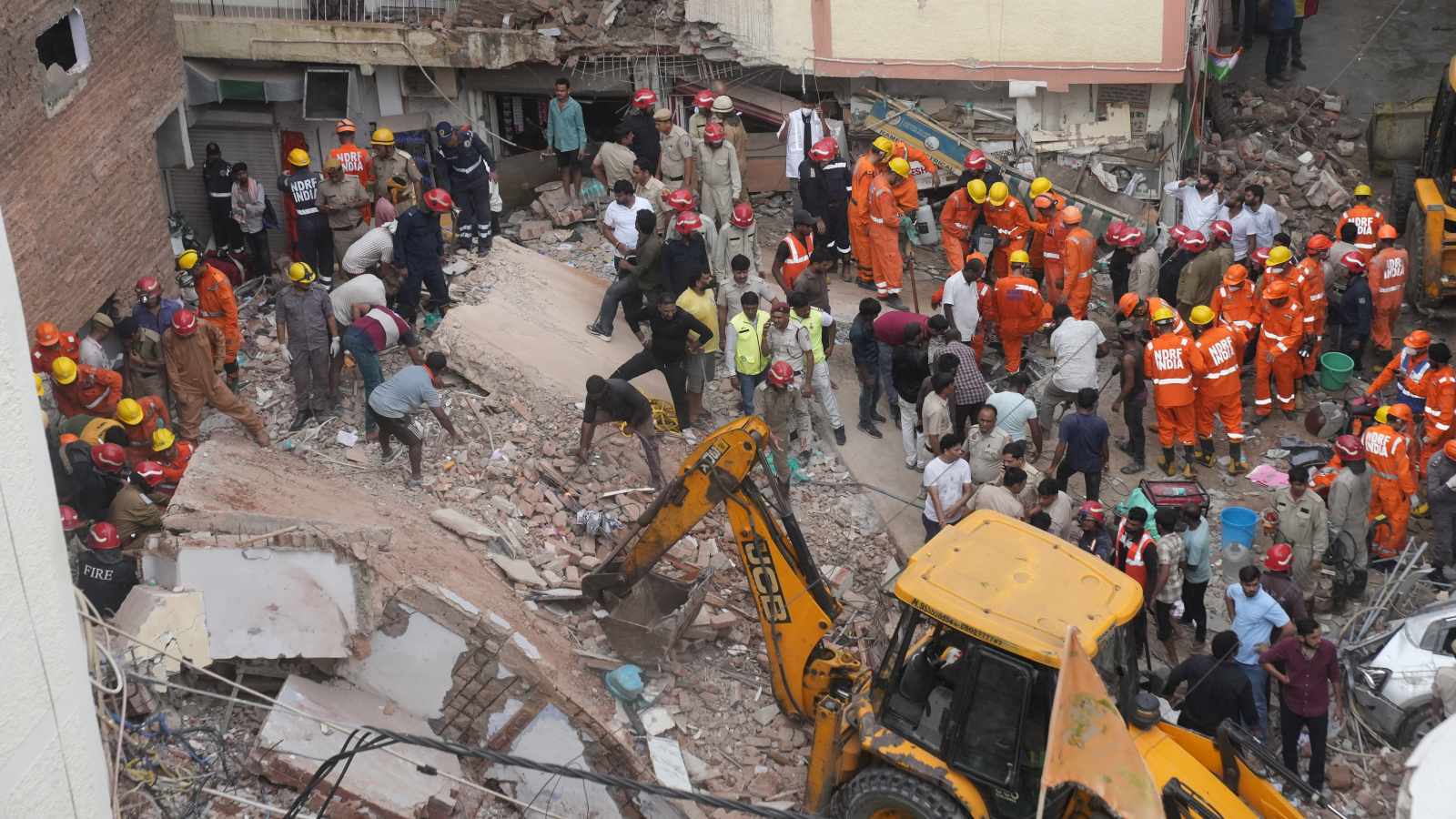
Mufti draws attention to the tragic reality of failing infrastructure and crumbling administration. From the collapse of a PG building in Satya Niketan, Delhi, which claimed seven young lives, to an ambulance stuck in a pothole in Agra causing the death of an unborn baby, these are not merely accidents. They are symptoms of a state that has stopped prioritizing its citizens' lives in favor of religious narratives.
Why This Matters
BozokMedia analysis shows that the 'normalization of violence' is perhaps the most insidious consequence of this era. When society stops being shocked by rape, lynching, or administrative negligence, the democratic fabric begins to unravel. The distraction of identity politics prevents the 80% majority from demanding the accountability they deserve regarding roads, healthcare, and safety.
The real danger is not simply that India will remain divided; it is that when governance collapses, the victims will no longer be defined by religion.
The article highlights a significant shift in the strategy of the Muslim community. Rather than engaging in street confrontations that often lead to arrests and further polarization, prominent organizations are increasingly opting for constitutional remedies and legal recourse. This proactive approach aims to deny communal politicians the 'oxygen' of conflict they desperately crave.
Mufti cites the example of West Bengal, where Muslim clerics urged the community to avoid cow sacrifice during Eid ul Adha to prevent unnecessary tension. This move toward restraint is a calculated attempt to survive in a political climate where dissent is often branded as 'anti-national.'
| Issue | Polarization Focus | Real-World Consequence |
|---|---|---|
| Infrastructure | Religious Identity | Building collapses & fatal potholes |
| Healthcare | Communal Rhetoric | Delayed medical aid & preventable deaths |
| Women's Safety | Political Blame-game | Normalization of sexual violence |
Frequently Asked Questions
1. What does the '80-20' game refer to?
It refers to the political strategy of focusing on the 20% Muslim minority to polarize the 80% Hindu majority, thereby distracting from governance issues.
2. How is the Muslim community responding to recent provocations?
There is a growing trend toward using legal channels and constitutional means rather than street protests to avoid being targeted by communal mobilization.