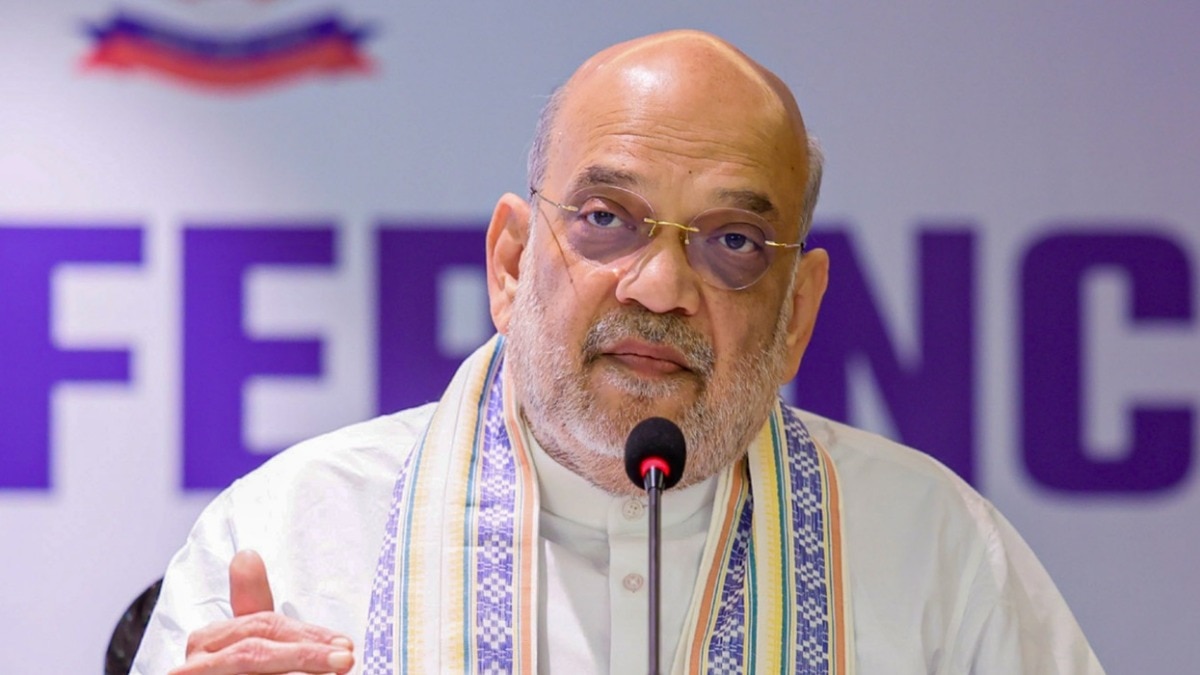
India’s Foreign Minister Priyank Kharge emphasized that no one can be forced to eat in BRICS discussions, underscoring each nation’s right to its dietary preferences. This stance could reshape future trade agreements and food security policies among the bloc.
- BRICS rejects forced eating policy in food discussions
- Respect for each member’s dietary preferences
- Implications for future trade agreements
During the BRICS summit, India’s Foreign Minister Priyank Kharge stated, “You can’t force people to eat what you want.” His remarks sparked a fresh debate on food policy and trade agreements within the bloc.
Historical Context
Since its formation, BRICS members have emphasized their own economic and food policies. The 2019 summit discussed food security, but no member attempted to impose its dietary standards on others.
Key Points
Kharge’s statement highlights the importance of autonomy in global food trade. He also stressed that trade agreements within BRICS should be based on mutual respect.
Why This Matters
BozokMedia analysis shows that this approach could make BRICS food trade policies more flexible, fostering trust among member states.
"Food autonomy is essential for global stability," says trade expert Dr. Anita Patel.
Frequently Asked Questions
- Has BRICS reached any formal agreement on food policies?
- How might this statement affect India’s food security policy?