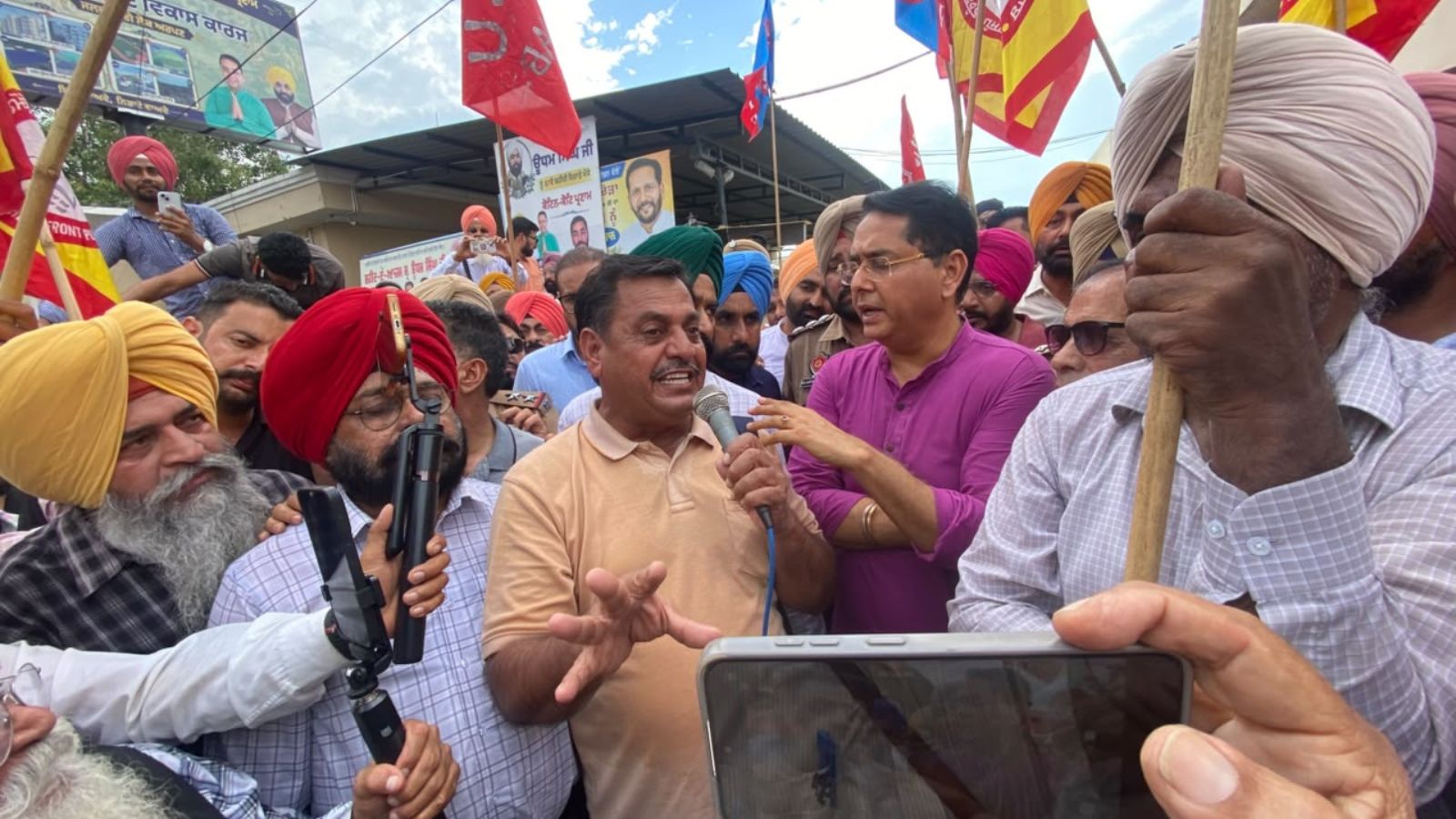
A sudden spike in petrol and diesel prices has ignited widespread protests across Pakistan, led by legal professionals. In response to the growing unrest, Prime Minister Shehbaz Sharif has announced a relief scheme to mitigate the impact.
- Sudden hike in petrol and diesel prices causes mass unrest in Pakistan.
- Legal professionals launch large-scale protests against rising energy costs.
- Prime Minister Shehbaz Sharif announces a relief scheme to counter public anger.
- Government considers re-implementing austerity measures to manage economic strain.
Islamabad: The economic volatility in Pakistan has reached a breaking point following a sharp increase in the prices of petrol and diesel. This sudden surge in fuel costs has sent shockwaves through the nation, triggering a wave of protests and deepening the existing economic crisis. The move has left the common citizen struggling to cope with the rising cost of living.
Legal Protests and Civil Unrest: In a significant show of dissent, lawyers across various regions of Pakistan have taken to the streets to protest the fuel price hike. The legal community argues that the escalation in energy costs will lead to a domino effect, driving up the prices of essential commodities and transportation, thereby disproportionately affecting the working class. These protests underscore the growing disconnect between government fiscal policies and public welfare.
Why This Matters
BozokMedia analysis shows that Pakistan's economy is currently in a highly fragile state, heavily dependent on international bailouts. Any sudden fluctuation in energy prices directly impacts inflation rates, making it difficult for the government to maintain social order. The current situation poses a dual threat: economic stagnation and potential civil insurrection.
The volatility in energy pricing is no longer just an economic metric for Pakistan; it has evolved into a critical trigger for social instability.
Government Response and Relief Measures: Amidst the escalating chaos, Prime Minister Shehbaz Sharif has stepped in to announce a relief package intended to cushion the blow for the public. While the announcement aims to pacify the protesting masses, market analysts remain skeptical about the scalability and long-term viability of such schemes given the country's dwindling foreign exchange reserves.
Return to Austerity: As the government struggles to balance the budget, there are strong indications that austerity measures will be re-introduced. To manage the rising cost of energy imports, the administration may be forced to cut government spending and reduce subsidies, a move that is expected to cause further market turbulence and public dissatisfaction.
Historical Background
Pakistan has a long history of grappling with energy shortages and fiscal deficits. The country's heavy reliance on imported fossil fuels makes its domestic economy highly vulnerable to global oil market fluctuations. Historically, fuel price adjustments in Pakistan have almost always been met with significant political backlash and widespread street protests.
Frequently Asked Questions
Question 1: Why are lawyers protesting in Pakistan?
Answer: Lawyers are protesting the sudden and sharp increase in petrol and diesel prices, which they claim is driving up the cost of living.
Question 2: What is the government's plan to address the crisis?
Answer: Prime Minister Shehbaz Sharif has announced a relief scheme, though the government is also considering austerity measures to stabilize the economy.