Despite continuous downpours, Pune’s municipal corporation has readied 195 waterproof pandals, a German‑engineered hangar tent and 101 school buildings to shelter the massive influx of Wari devotees. The comprehensive measures fall under the ‘Seva Wari’ initiative aimed at safety and hygiene.
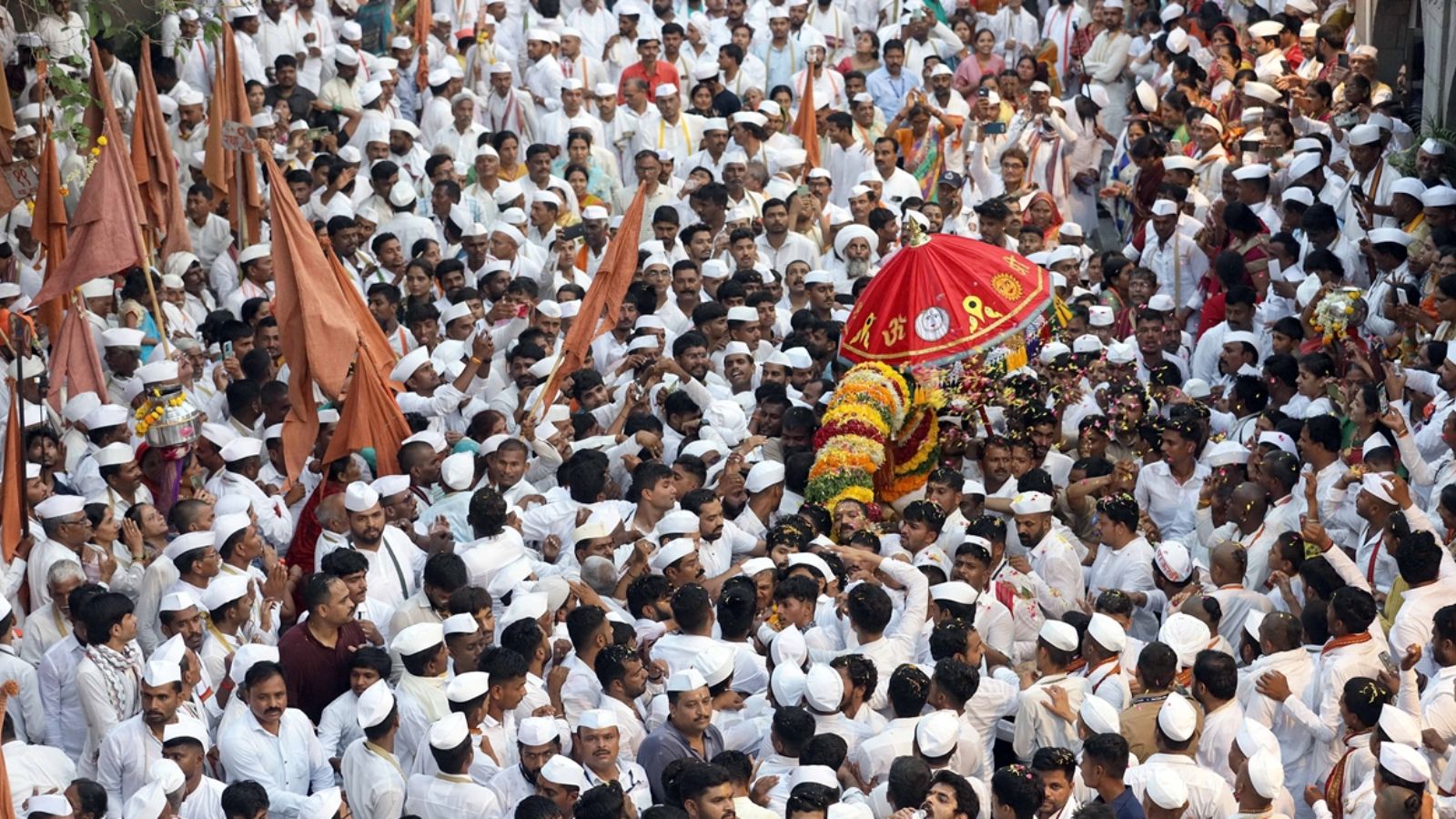
Every year Pune becomes a sanctuary for lakhs of pilgrims journeying to Pandharpur as part of the revered Wari pilgrimage. This year, with relentless rain clouds hovering over the city, the Pune Municipal Corporation (PMC) has gone beyond the usual logistics – erecting 195 waterproof pandals, installing a large German‑manufactured hangar tent and converting 101 civic schools into temporary accommodation hubs. All these steps are part of the specially launched ‘Seva Wari’ programme, which promises a clean, safe and health‑focused environment for the devotees.
Significance of the Wari and This Year’s Unique Arrangements
The Wari, a procession of the palkhis of Sant Dnyaneshwar Maharaj and Sant Tukaram Maharaj, is one of Maharashtra’s most iconic religious gatherings. This year, the procession will thread through Pune, where thousands of worshippers pause for rest and worship. Recognising the surge, PMC has expanded the resting zone for Sant Dnyaneshwar’s palkhi five‑fold to 5,000 sq. ft., creating distinct, well‑equipped sections for men and women.
German Hangar Tent: A Technical First for the Pilgrimage
For the first time in Wari history, a German‑designed hangar tent has been erected. The structure combines an aluminium alloy frame with a high‑durability PVC canvas that resists heat, corrosion, rain and wind speeds up to 80 km/h. Inside, volunteer physiotherapy students will offer free massages and basic physiotherapy, easing the fatigue of pilgrims after long journeys.
Schools Turned into Safe Havens
One hundred and one civic schools across Pune have been repurposed as night shelters. Each venue provides clean sleeping areas, portable toilets, round‑the‑clock water supply and a 24‑hour medical team. Municipal health workers will conduct free health check‑ups, dispense medicines and attend to emergencies throughout the pilgrimage.
Water, Sanitation and Hygiene Measures
To prevent any water shortage, PMC has deployed additional water tankers and mobile water‑purification units along the Wari route. A fleet of mobile toilets has been stationed at key halting points, with dedicated civic staff cleaning them continuously. All pandals and the hangar are fitted with ventilation and filtration systems to combat humidity and maintain air quality.
Long‑Term Implications for Urban Disaster Management
PMC’s multi‑layered response not only safeguards this year’s Wari but also showcases a scalable model for managing large‑scale public events during adverse weather. If replicated, such proactive, technology‑driven planning could enable Indian cities to host massive gatherings without compromising public safety, even under climate‑induced challenges.