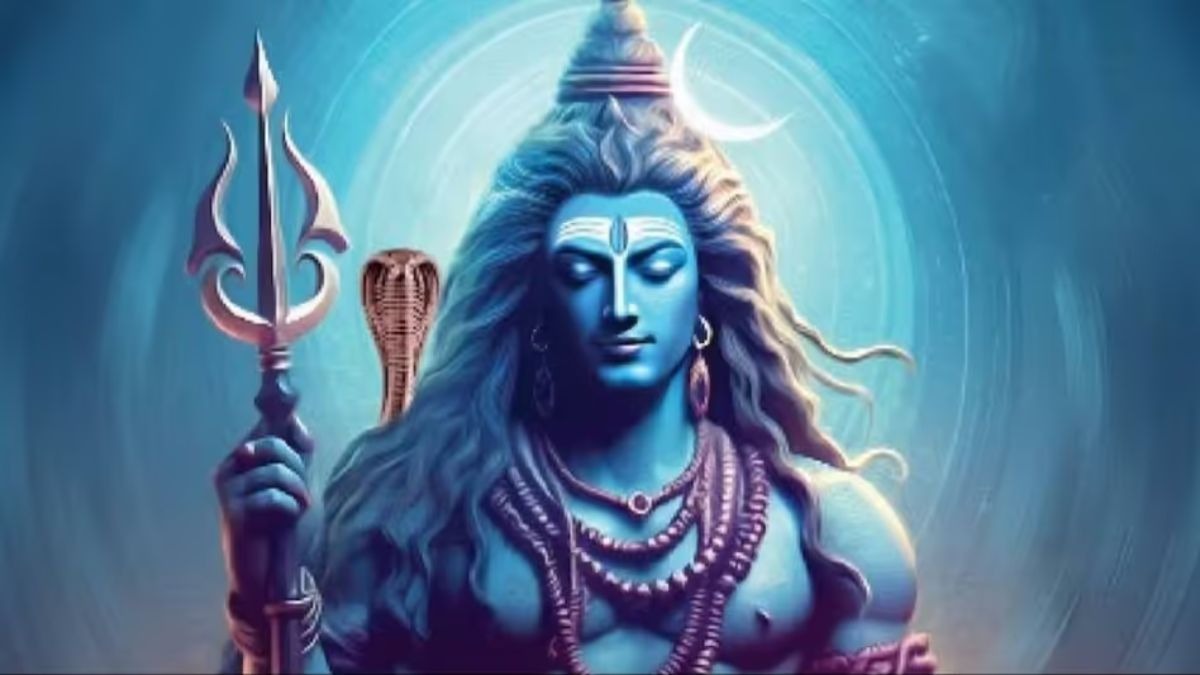
Hindu scriptures recount several epic clashes between Vishnu and Shiva. This article examines five legendary episodes where Vishnu appears to bow before Shiva, revealing deeper spiritual meanings.
Key Takeaways
- Five major mythic confrontations between Vishnu and Shiva
- Each story illustrates cosmic balance and moral lessons
- Relevance of these myths for contemporary audiences
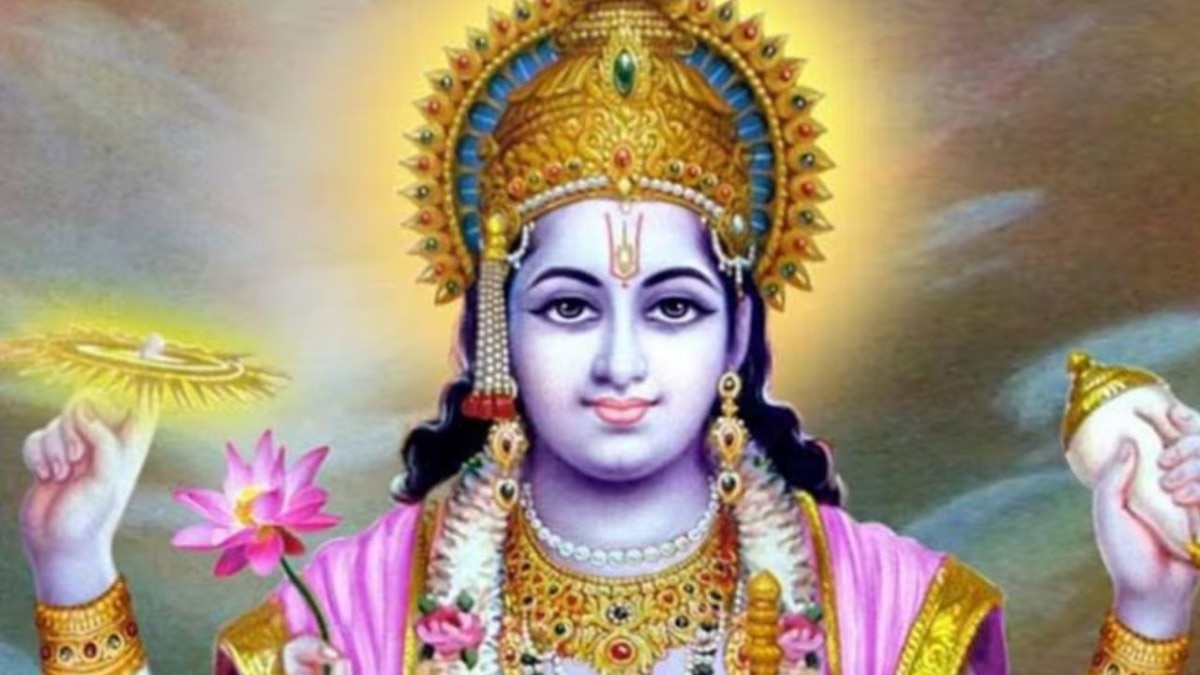
In Hindu theology, Lord Vishnu is the preserver and Lord Shiva the destroyer. Their apparent rivalry is a recurring motif in the Puranas, Mahabharata and countless local legends. While many view these tales as a contest of divine power, scholars argue that they encode the principle of universal equilibrium and the unity of the divine.
The Narasimha‑Sharabha Encounter
After the slaying of Hiranyakashipu, Vishnu’s Narasimha avatar raged uncontrollably, spreading terror across the cosmos. The gods appealed to Shiva, who assumed the terrifying form of Sharabha (a lion‑eagle hybrid). In a fierce battle, Sharabha subdued Narasimha’s fury and restored cosmic order. This episode shows Vishnu’s inability to contain his own wrath, while Shiva’s calm dominance brings balance.
The Eternal Fire Pillar
According to a lesser‑known Purana, Brahma and Vishnu once disputed who was supreme. An endless column of fire erupted, prompting Vishnu to descend as Varaha and Brahma to rise as a swan—yet neither could locate its end. Shiva then appeared, declaring, “I am the beginning and the end.” Conceding, Vishnu acknowledged Shiva’s pre‑eminence. The narrative underscores that the rivalry is symbolic; both deities are facets of the same ultimate reality.
Veerabhadra’s Fury and King Daksha’s Yajna
King Daksha insulted Shiva during a grand sacrifice, leading Sati to self‑immolate. In his wrath, Shiva birthed Veerabhadra, who destroyed the yajna. Even Vishnu could not halt this divine onslaught. The story illustrates Shiva’s destructive potency, which, though terrifying, serves the greater purpose of re‑establishing dharma.
Vishnu’s Sons and Shiva’s Bull Form
Another legend recounts that some of Vishnu’s offspring began wreaking havoc across the realms. Shiva assumed the form of a bull (Vrishabha) and subdued them. When Vishnu himself entered the fray, he recognized Shiva’s bull incarnation and bowed respectfully. This mutual recognition highlights that Shiva’s varied avatars are acknowledged even by the preserver.
The Sudarshana Chakra Test
Devas once debated whether any being could neutralize Vishnu’s Sudarshana Chakra. Vishnu hurled the disc at Shiva, who effortlessly swallowed it and then expelled it unharmed. The episode confirms Shiva’s boundless power while reinforcing the idea that the two forces coexist harmoniously.
Collectively, these five confrontations reveal that Vishnu‑Shiva “competition” is a narrative device to teach about balance—creation versus destruction, preservation versus dissolution. For modern readers, the myths encourage a view of religious diversity as complementary rather than contradictory, emphasizing that all paths aim toward the same ultimate welfare.