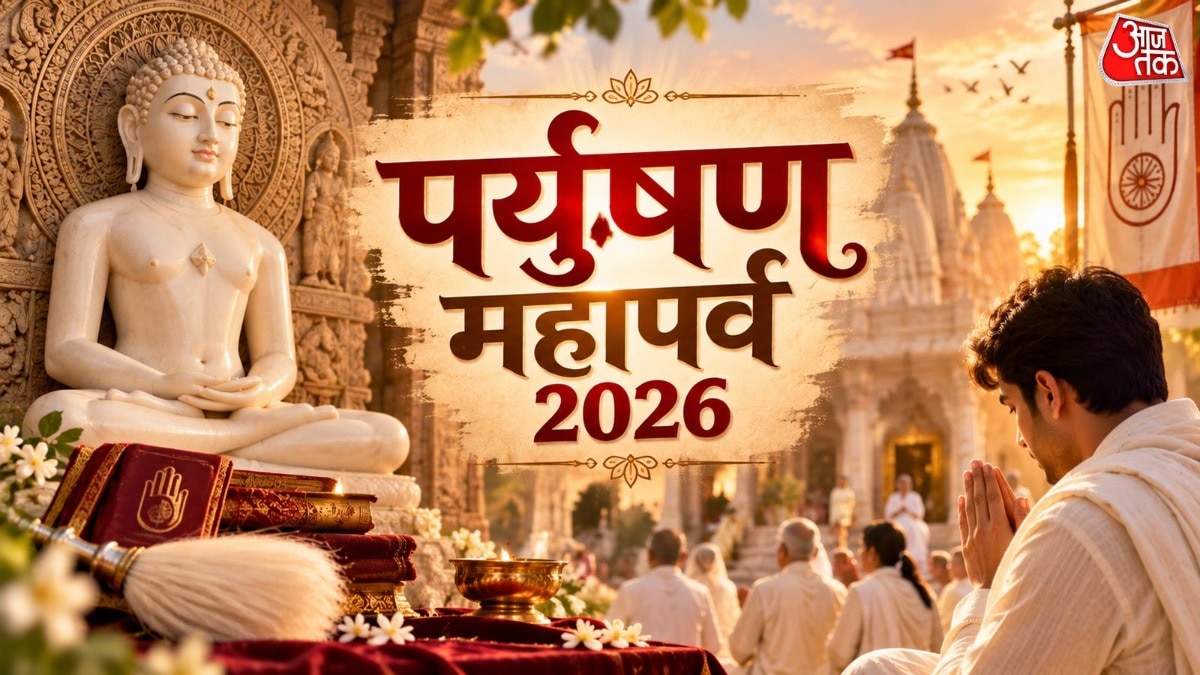
The most significant spiritual festival of the Jain community, Paryushana, commences on September 8. This period is dedicated to self-purification, non-violence, and the practice of forgiveness.
- Paryushana Mahaparva will be observed from September 8 to September 15, 2026.
- Devotees will abstain from root vegetables (Kandmool) to prevent harm to microorganisms.
- The core focus is on self-reflection, fasting, and extending forgiveness to all living beings.
For followers of Jainism, the Paryushana Mahaparva is far more than a religious ritual; it is a profound opportunity for spiritual cleansing and introspection. This year, the festival begins on September 8, 2026, and concludes on September 15, 2026. During these eight days, devotees distance themselves from worldly attachments, focusing instead on meditation, fasting, and the study of sacred texts.
The term 'Paryushana' literally means 'coming closer'—specifically, bringing the soul closer to the divine. Fasting during this period is not merely about abstaining from food but emphasizes the purification of mind, speech, and action. It is important to note the distinction in traditions: the Shwetambar community observes the 8-day Paryushana, while the Digambar community observes the 10-day 'Dashlakshan Parv'.
5 Mandatory Rules of Paryushana Mahaparva
To maintain the sanctity of the festival, devotees adhere to a strict code of conduct:
- Abstinence from Root Vegetables: Consumption of vegetables that grow underground (Kandmool), such as potatoes, carrots, radishes, onions, and garlic, is strictly prohibited to avoid harming microorganisms.
- Eating Before Sunset: Eating after sunset is forbidden. Only water or juice may be consumed after dark, with the evening hours dedicated to meditation and prayer.
- Control over Speech and Mind: Devotees must avoid criticizing others, refrain from using harsh words, and eliminate feelings of jealousy or hatred.
- Simplicity and Celibacy: There is a conscious rejection of luxury and flashy attire. Simple clothing and a minimalist lifestyle are adopted to focus on spiritual growth.
- Absolute Non-Violence (Ahimsa): Extreme care is taken to ensure no living creature is harmed, even inadvertently, while walking, speaking, or performing daily activities.
Why This Matters
BozokMedia analysis shows that in an era of escalating global stress and materialism, festivals like Paryushana provide a necessary psychological reset. The practice of 'Kshamavani' (seeking forgiveness) offers a timeless blueprint for conflict resolution and peaceful coexistence in a fragmented world.
"The true essence of Paryushana lies not in the physical act of fasting, but in the internal shedding of ego and the embrace of universal forgiveness."
Frequently Asked Questions
Q1: What is the difference between the Shwetambar and Digambar observations?
A: The Shwetambar community observes an 8-day period called Paryushana, whereas the Digambar community observes a 10-day period known as Dashlakshan Parv.
Q2: Why are root vegetables avoided during this time?
A: Based on the principle of Ahimsa (non-violence), root vegetables are avoided because harvesting them involves destroying the entire plant and killing numerous microorganisms living in the soil.