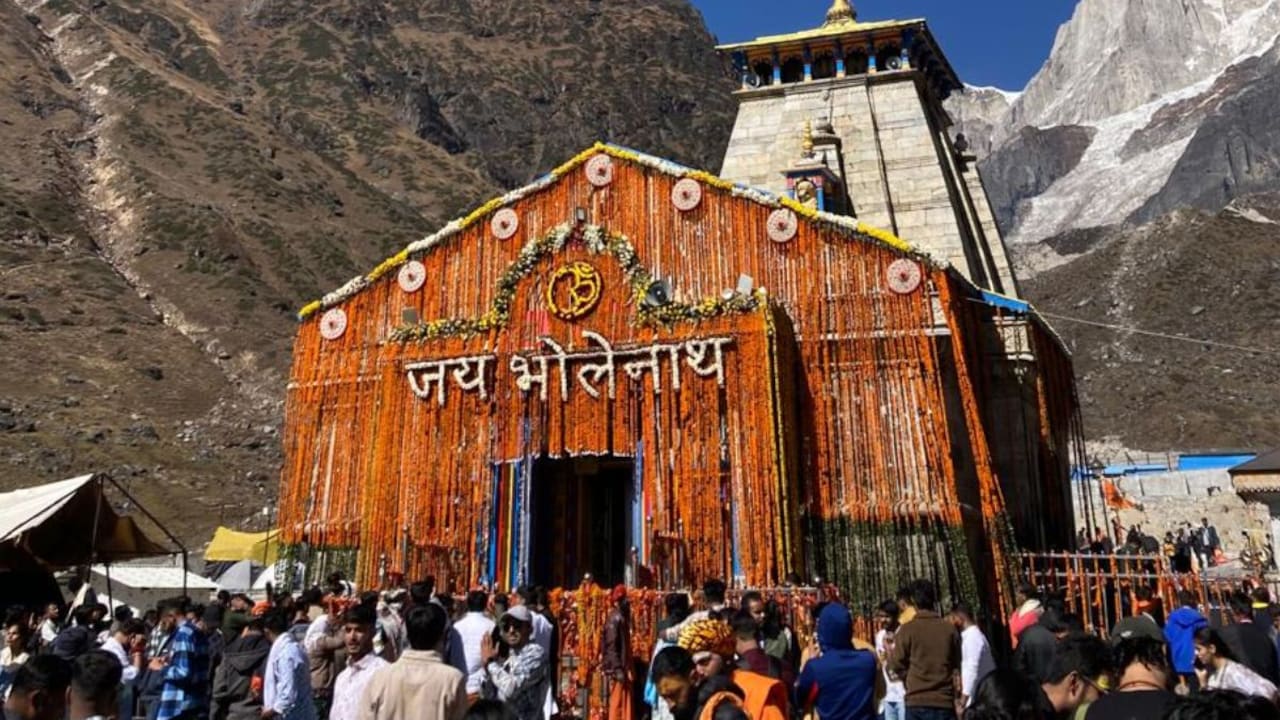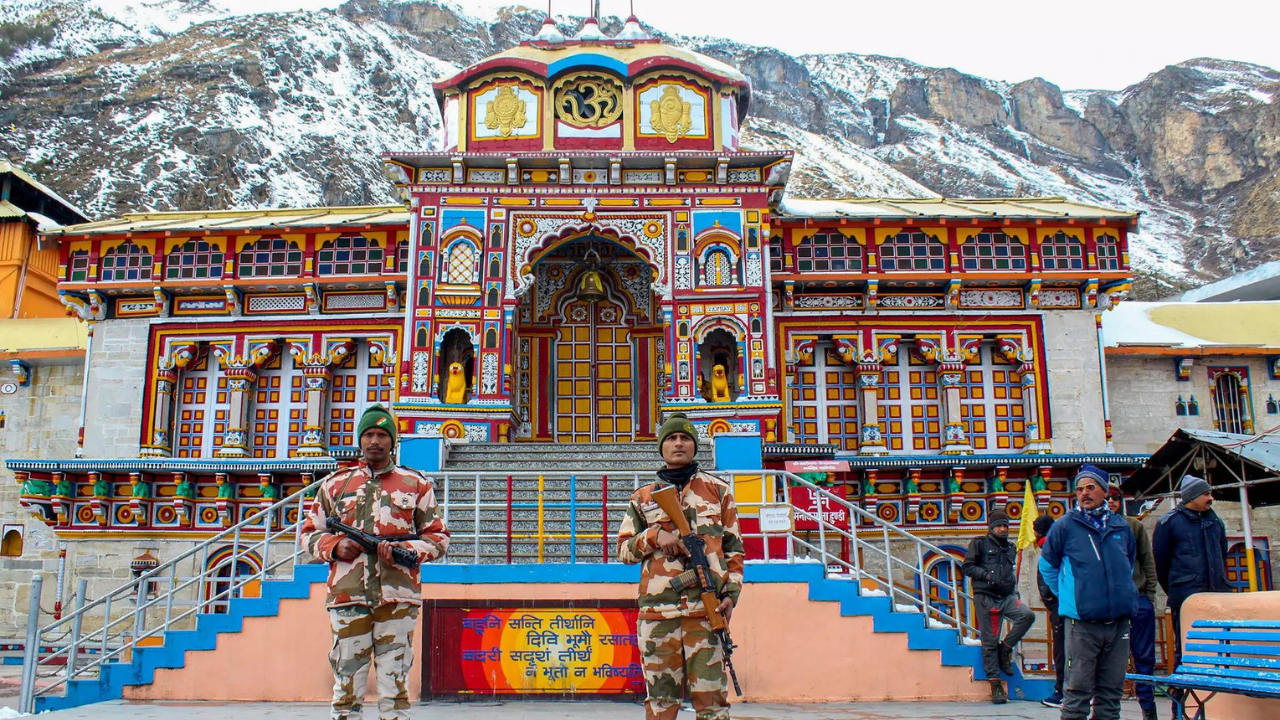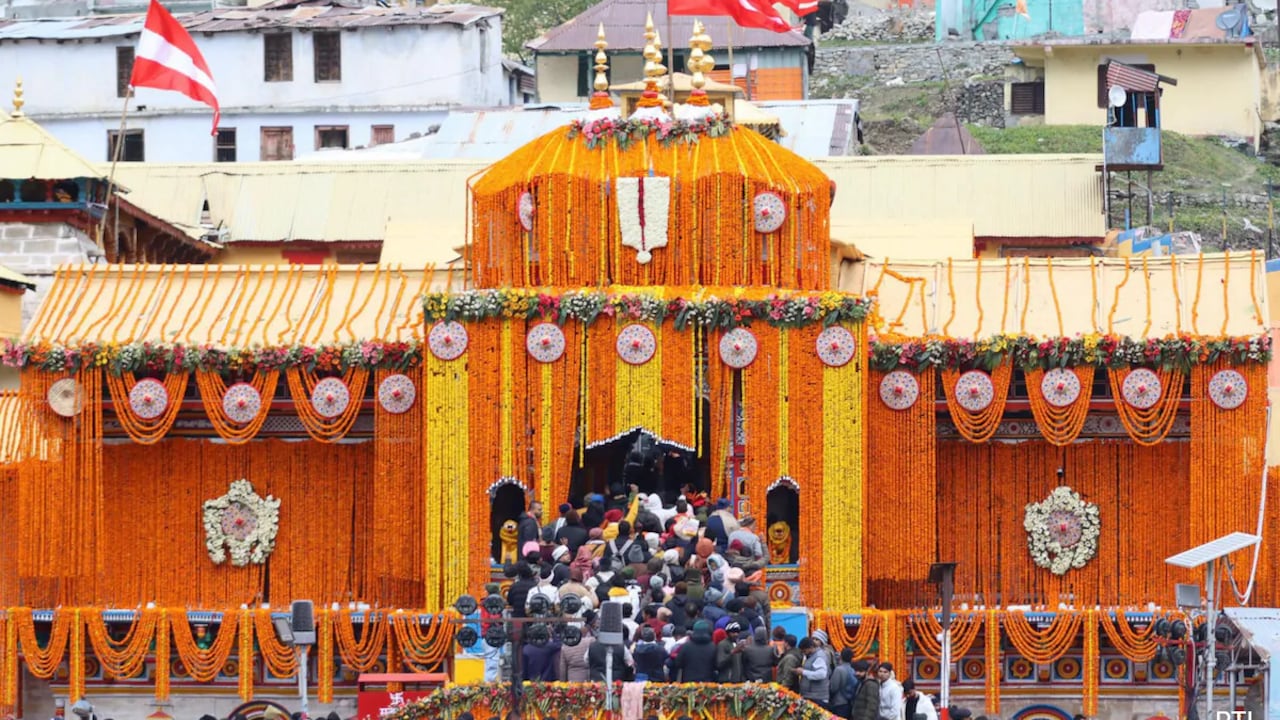
A four‑member panel submitted an 18‑page report after allegations of donation misappropriation at Badrinath Temple surfaced. The report proposes mandatory dress code and extensive CCTV surveillance to curb theft.
Key Takeaways
- Investigation into Badrinath donation theft completed
- Report advises mandatory dress code and CCTV monitoring
- Authorities urged to act swiftly on recommendations
Social media users raised concerns on July 2 about alleged misappropriation of offerings at the Badrinath shrine, prompting a four‑member panel to conduct a thorough inquiry. The panel’s 18‑page report, now public, outlines practical steps to prevent future thefts, notably a dress‑code for visitors and the installation of round‑the‑clock CCTV cameras throughout the complex.
Historical Background
Located in the Himalayan state of Uttarakhand, Badrinath Temple attracts millions of pilgrims each year. The first official security committee was formed in 1975, yet allegations of donation misuse have recurred over the decades. Between 1990‑1995, several court cases highlighted discrepancies in the handling of temple funds, leading to the introduction of receipt‑based accounting. The early 2020s saw new challenges as digital transactions exposed technical vulnerabilities, underscoring the need for modern safeguards.
Key Recommendations from the Report
The panel emphasizes three core measures:
- Dress Code: Visitors must wear modest, traditional attire to reduce opportunities for theft.
- CCTV Surveillance: Install 24‑hour, real‑time cameras at the main entrance, donation hall, and surrounding precincts.
- Transparent Auditing: Digitise receipt issuance and publicly disclose collection, storage, and distribution of donations.
Why This Matters (इसके मायने क्या हैं)
According to BozokMedia analysis, the panel’s recommendations could restore confidence in religious institutions while bolstering the local economy. When devotees trust that their contributions are safe, donation volumes rise, directly benefiting tourism revenue and ancillary jobs.
Moreover, enforcing a dress code and robust CCTV creates a disciplined environment that other pilgrimage sites may emulate, potentially setting a national standard for safeguarding sacred assets.
"Integrating technology with traditional sanctity is the most effective way to ensure transparency and trust," notes historian Dr. Ajay Singh.
| Current Situation | Proposed Enhancements |
|---|---|
| Limited CCTV, sporadic monitoring | 24‑hour live CCTV covering all critical zones |
| No dress‑code enforcement | Mandatory modest attire for all visitors |
| Opaque financial records | Digital receipt system with public reporting |
Frequently Asked Questions (अक्सर पूछे जाने वाले प्रश्न)
- Question: Will the dress code apply to all visitors?
Answer: Yes, the panel recommends clear signage at every entrance to enforce the rule uniformly. - Question: When will CCTV footage be made public?
Answer: The report suggests a monthly summary of footage will be uploaded to an official portal for public review.