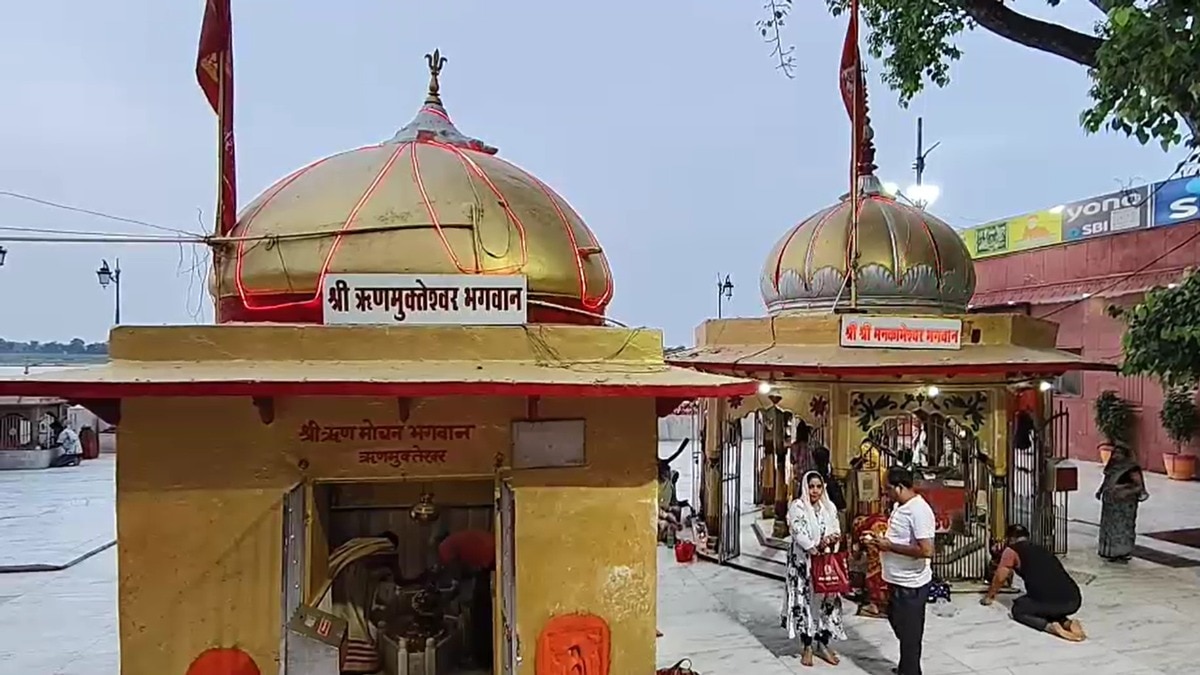
The Mankameshwar Temple in Prayagraj has mandated traditional attire and banned selfies and plastic items for devotees during the upcoming Shravan month. The move aims to preserve the sanctity of the shrine and ensure a distraction-free environment for rituals like Rudrabhishek.
Key Takeaways
- Strict dress code to be enforced at Mankameshwar Temple, Prayagraj, starting July 30 for Shravan.
- Men must wear dhotis and women sarees or salwar suits for Rudrabhishek rituals.
- Selfies, photography, plastics, and tobacco products are strictly banned within the temple premises.
In a significant move aimed at upholding religious sanctity, the ancient Mankameshwar Temple in Prayagraj has announced a stringent code of conduct for devotees effective from July 30, coinciding with the holy month of Shravan. Situated on the banks of the Yamuna River, the temple administration has decided to continue the dress code introduced last year, modeled after the guidelines of the Mahakaleshwar Temple in Ujjain. This directive underscores a growing effort to restore traditional decorum in places of worship that are increasingly grappling with the challenges of modern tourism.
Mandatory Traditional Attire for Rituals
Under the new guidelines, modesty is paramount. The temple administration has clarified that entry will be denied to men and women wearing short or revealing clothing. The rules are particularly rigorous for those performing the Rudrabhishek ritual. Male devotees undertaking this ceremony must wear a dhoti, while women are required to wear a saree or a salwar suit. Brahmachari Shri Dharanand, the head priest, emphasized that this decision is intended to encourage devotees to adopt Indian clothing, thereby minimizing distractions and fostering an atmosphere of pure devotion. To facilitate this, the temple will provide dhotis free of cost to male devotees, which must be returned post-ritual.
Ban on Selfies and Plastics
Beyond clothing, the temple has enforced a comprehensive ban on modern conveniences that disrupt the spiritual ambiance. Photography and selfies are strictly prohibited inside the premises, with notices reminding visitors that the temple is a sacred space for meditation, not a tourist spot. In an eco-friendly push, the use of polythene and plastic has been outlawed; devotees are urged not to use plastic cups for offering water (Abhishek). Additionally, the consumption of tobacco products, gutka, and pan masala is banned to maintain cleanliness and purity within the shrine.
Security and Devotee Conduct
The administration has also issued advisory notices regarding safety and conduct. Devotees have been cautioned against wearing excessive gold or silver jewelry due to the risk of theft. Furthermore, to manage the heavy footfall expected during Shravan, worshippers are instructed not to linger near the Shivling after completing their prayers, ensuring a smooth flow of darshan for others. The decision has garnered support from the local devotee community, who view this as a necessary step to distinguish a place of worship from a recreational destination.