A unique celestial alignment occurs in August 2026 as Sawan Shivratri is followed closely by a major Solar Eclipse. Learn the auspicious timings for Jalabhishek.
Key Takeaways
- Sawan Shivratri will be observed on August 11, 2026.
- The year's second solar eclipse will occur on August 12, 2026.
- The eclipse will NOT be visible in India; therefore, Sutak Kaal is not applicable.
- Auspicious timings for Shiva Puja include Brahma Muhurta and Abhijit Muhurta.
The holy month of Sawan holds immense spiritual significance for devotees of Lord Shiva. In 2026, the Sawan Shivratri festival is set to coincide closely with a major astronomical event. According to the Hindu calendar, the Chaturdashi Tithi begins on August 11 at 04:54 AM and lasts until August 12 at 01:52 AM, making August 11 the ideal day for celebrations.
The Solar Eclipse Following Shivratri
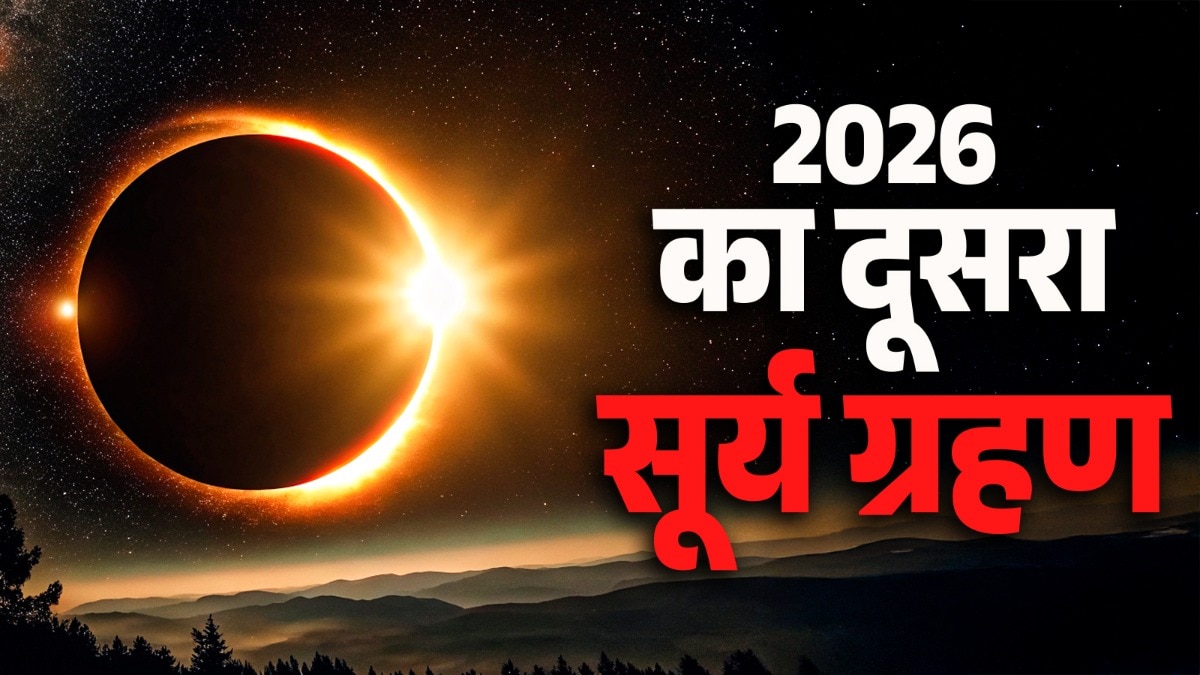
Adding a celestial dimension to the festivities, the second and final Solar Eclipse of 2026 is scheduled for August 12. The eclipse will begin at 09:04 PM and last until 01:27 AM. The peak of the total solar eclipse is expected to occur between 10:28 PM and 12:04 AM.
Will Sutak Kaal Apply in India?
There is significant relief for devotees in India: this solar eclipse will not be visible in India. According to Vedic astrology, if an eclipse is not visible in a specific region, the 'Sutak Kaal' (the period of spiritual impurity) is not observed. Consequently, devotees can perform their religious rituals, including Jalabhishek, without any restrictions.
Why This Matters
BozokMedia analysis shows that during periods of overlapping religious festivals and astronomical events, clarity regarding ritual timings is crucial to prevent mass confusion and ensure spiritual well-being.
Understanding the visibility of an eclipse is key to determining its ritualistic impact on religious practices.
The eclipse will be visible in regions including the Atlantic Ocean, Greenland, Iceland, and parts of Europe such as France, Britain, and Italy. In India, devotees are encouraged to offer water, Bilva leaves, and Panchamrit to the Shiva Lingam during the prescribed auspicious hours.
Auspicious Timings for Jalabhishek
| Muhurta Type | Time Window |
|---|---|
| Brahma Muhurta | 05:23 AM to 06:00 AM |
| Abhijit Muhurta | 12:06 PM to 12:58 PM |
| Godhuli Muhurta | 09:13 PM to 09:32 PM |
Frequently Asked Questions
1. Will the solar eclipse affect Shivratri rituals?
No, because Shivratri is on August 11 and the eclipse is on August 12, your prayers remain unaffected.
2. Is Sutak Kaal mandatory for Indian devotees?
No, since the eclipse is not visible in India, Sutak Kaal rules do not apply.