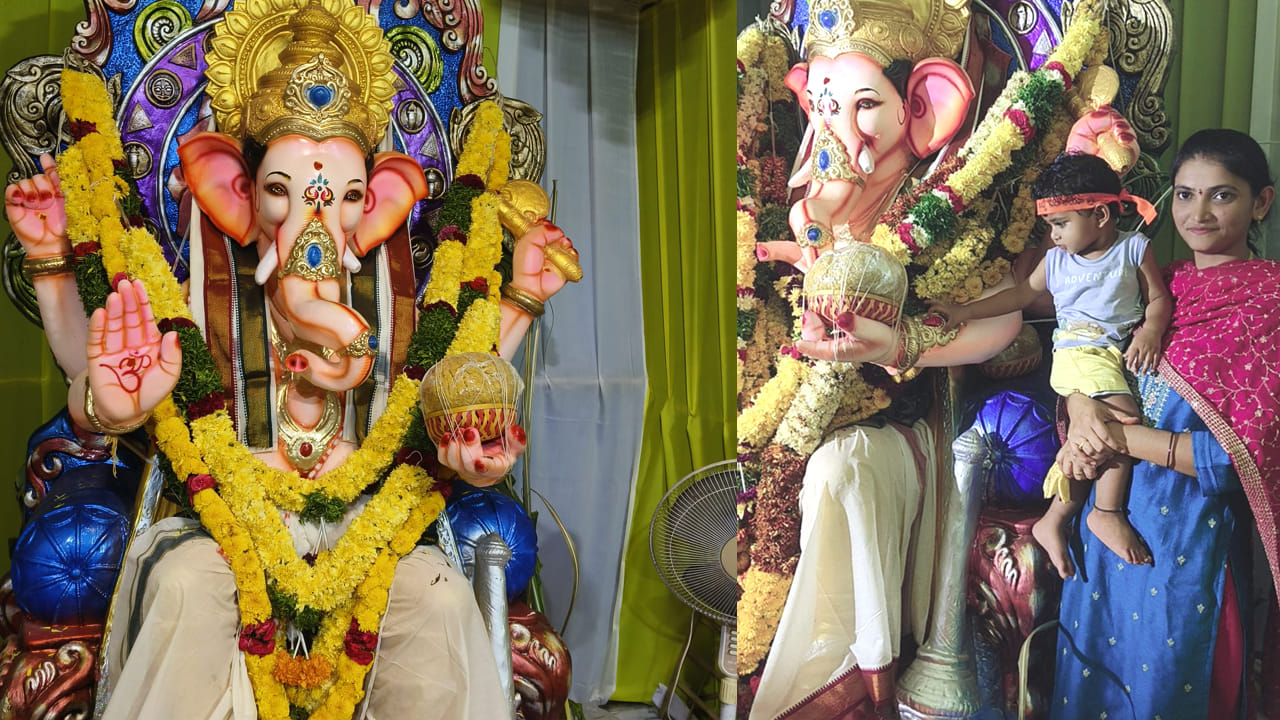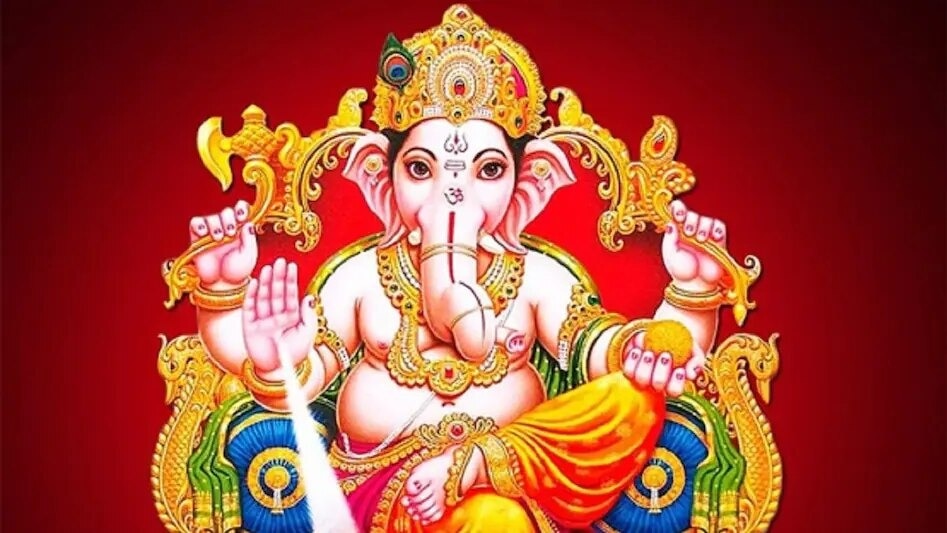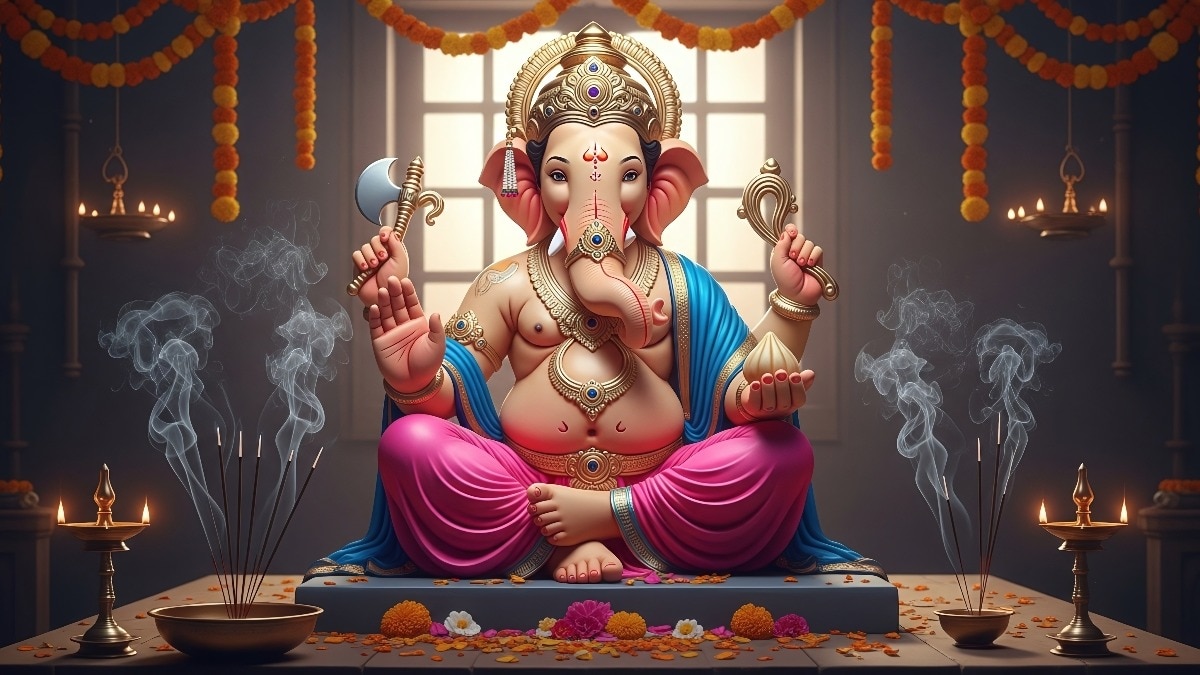
Deep within the Patal Bhuvaneshwar cave of Uttarakhand lies the 'Adi Ganesha,' believed to be the original human head of Lord Ganesha severed by Lord Shiva. This mystical site blends ancient mythology with eerie predictions about the end of Kali Yuga.
- The Patal Bhuvaneshwar cave in Pithoragarh, Uttarakhand, houses the 'Adi Ganesha' (original human head).
- Legend states the head fell into the underworld (Patala) after being severed by Lord Shiva's trident.
- A mysterious stone representing Kali Yuga is slowly rising toward the cave ceiling.
- The cave was rediscovered in the current era by the great philosopher Adi Shankaracharya.
The story of Lord Ganesha's creation and his subsequent acquisition of an elephant head is a cornerstone of Hindu mythology. However, a profound mystery persists: where did the original human head go? According to local beliefs and ancient traditions, this relic is preserved in the Patal Bhuvaneshwar Cave, located near Gangolihat in the Pithoragarh district of Uttarakhand.
The Legend of Adi Ganesha
As per the scriptures, Goddess Parvati created Ganesha from sandalwood paste to guard her door. When Lord Shiva attempted to enter, Ganesha, obeying his mother's orders, blocked the path. In a fit of rage, Shiva severed the boy's head with his trident. It is believed that the force of this divine strike sent the head flying far from Mount Kailash, landing deep within the subterranean realms of the Patal Bhuvaneshwar cave. While Shiva later restored Ganesha to life with an elephant's head, the original human head remained here, worshipped today as 'Adi Ganesha.'
Why This Matters
BozokMedia analysis shows that Patal Bhuvaneshwar serves as more than just a pilgrimage site; it is a psychological and spiritual anchor for millions. The intersection of geological formations and mythological narratives creates a space where faith transcends physical evidence, reflecting the deep-rooted Indian tradition of seeing the divine in nature.
"Patal Bhuvaneshwar is not merely a geological anomaly, but a physical manifestation of cosmic energy and ancient Vedic consciousness."
The Brahma Kamal and the End of an Era
One of the most striking features of the cave is a rock formation resembling a 108-petaled Brahma Kamal. Positioned directly above the Adi Ganesha idol, this rock continuously drips divine droplets onto the deity, a phenomenon attributed to the will of Lord Shiva himself.
Furthermore, the cave contains four stones representing the four Yugas (epochs). The stone representing Kali Yuga is of particular interest, as it is observed to be slowly moving upwards. Tradition holds that the moment this stone touches the roof of the cave, the current age of Kali Yuga will come to an end, triggering a global transformation.
Other Divine Manifestations
The cave is said to offer glimpses of Lord Kedarnath, Badrinath, and Amarnath through various rock formations. Visitors can see structures resembling Shiva's matted hair (Jata), his water pot (Kamandal), and wooden sandals (Khadau). Additionally, a formation resembling the tongue of Kaal Bhairav is present, which is believed to grant liberation (Moksha) to those who pass through.
Frequently Asked Questions
Q1: Where is the Patal Bhuvaneshwar cave located?
A: It is located in the Pithoragarh district of Uttarakhand, approximately 14 km from Gangolihat.
Q2: What is the significance of the Kali Yuga stone?
A: It is a rock that is slowly rising; according to belief, its contact with the cave ceiling will signal the end of the current epoch.