Pithori Amavasya 2026 will be observed on September 10. This sacred fast is dedicated to Goddess Pithori and the Matrikas to ensure the health and longevity of children.
- Pithori Amavasya falls on Thursday, September 10, 2026.
- The Amavasya Tithi starts at 10:33 AM on Sept 10 and ends at 8:56 AM on Sept 11.
- The fast is primarily observed by mothers for the protection and prosperity of their children.
In the Hindu lunar calendar, the New Moon day of the Bhadrapada month is celebrated as Pithori Amavasya. For the year 2026, this auspicious day falls on September 10. This observance is deeply rooted in the traditions of motherhood and the invocation of divine feminine energy for family protection.
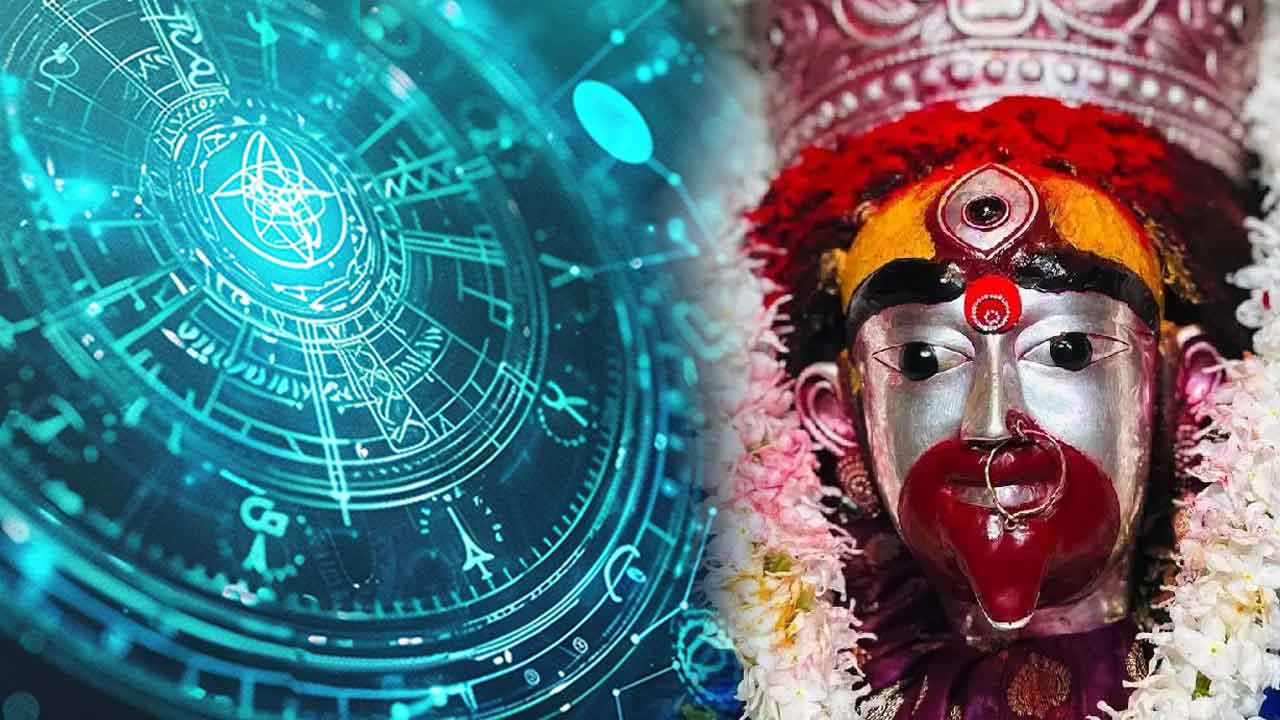
The ritual is specifically associated with the worship of Goddess Pithori, the 64 Yoginis, and the Sapta Matrikas. Women observe a strict fast and perform elaborate prayers to seek blessings for their children's health, longevity, and a prosperous future. Depending on the region, it is also known as Bhadrapada Amavasya or Matru Amavasya.
Timing and Astrological Significance
According to the Panchang, the Amavasya Tithi begins at 10:33 AM on September 10 and concludes at 8:56 AM on September 11, 2026. It is crucial for devotees to note that Pradosh Kaal and specific puja timings vary by city, making local Panchang consultations necessary for precise ritual execution.
| Detail | Date & Time |
|---|---|
| Pithori Amavasya Date | Thursday, September 10, 2026 |
| Tithi Begins | Sept 10, 10:33 AM |
| Tithi Ends | Sept 11, 08:56 AM |
| Lunar Phase | Krishna Paksha Amavasya |
Why This Matters
BozokMedia analysis shows that festivals like Pithori Amavasya serve as vital socio-spiritual anchors. By focusing on the welfare of the next generation, these rituals reinforce the concept of selfless love and spiritual guardianship, bridging the gap between ancient Vedic traditions and contemporary family values.
"Pithori Amavasya is not merely a ritual of fasting, but a profound spiritual exercise in manifesting a mother's protective energy through divine intervention."
Puja Vidhi: The observance begins with a purifying bath and a 'Sankalp' (religious resolve). The term 'Pithori' is derived from pishta (flour), and thus, symbolic figures of the deities are often crafted from wheat flour dough. Devotees worship the Sapta Matrikas—Brahmani, Maheshwari, Kaumari, Vaishnavi, Varahi, Indrani, and Chamunda—offering flowers, incense, and traditional sweets like kheer and churma. The ritual concludes with the recitation of the Pithori Vrat Katha.
Frequently Asked Questions
Q1: Who traditionally observes the Pithori Vrat?
It is primarily observed by mothers and married women for the wellbeing of their children, though anyone seeking family peace can participate.
Q2: Which deities are worshipped on this day?
The primary deities are Goddess Pithori, the 64 Yoginis, and the Seven Mother Goddesses (Sapta Matrikas).