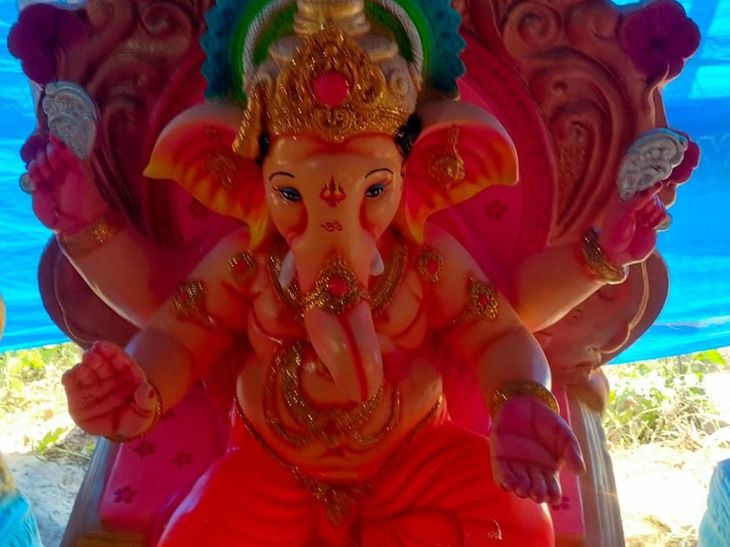
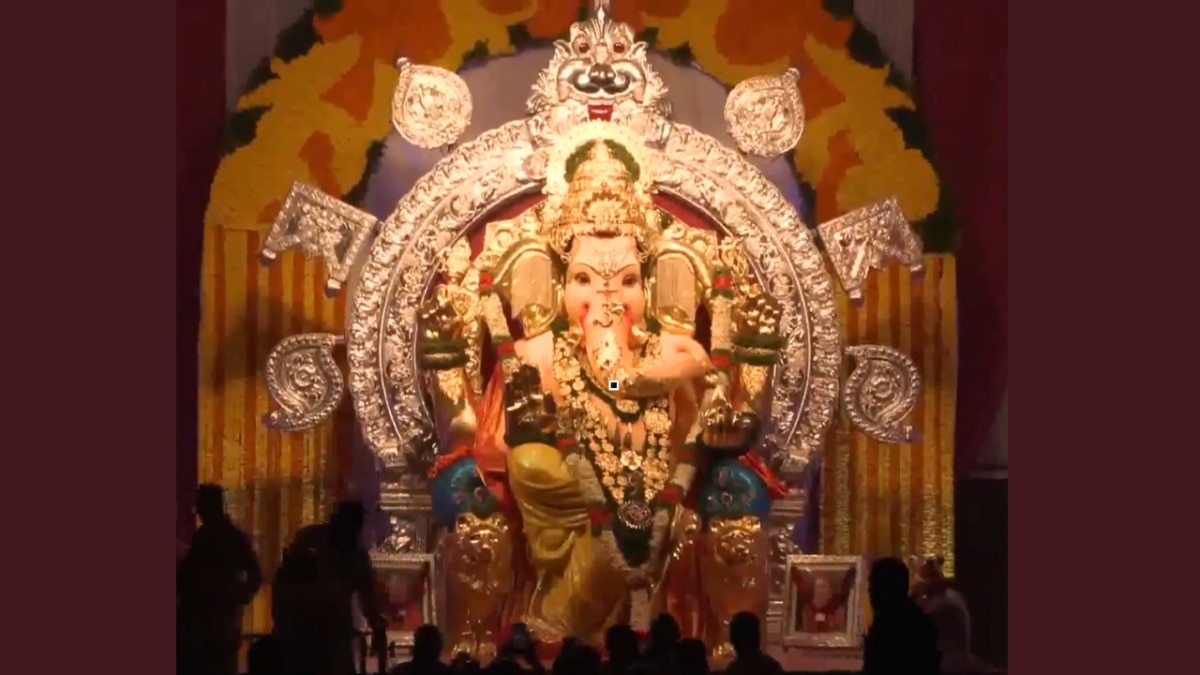
The nation is immersed in spiritual fervor as Ganesh Chaturthi is celebrated with grand processions and heartfelt prayers. Devotees welcome Lord Ganesha into their homes and public pandals.
- Massive crowds gathered at temples and public pandals nationwide.
- Celebrations marked by traditional rituals, hymns, and special prayers.
- A significant boost to local economies and cultural tourism.
Across the vast landscape of India, the festival of Ganesh Chaturthi is being observed with unparalleled devotion and enthusiasm. As devotees welcome the deity known as the 'Remover of Obstacles,' the atmosphere is filled with the chants of 'Ganpati Bappa Morya.' From the bustling streets of Maharashtra to the serene temples of South India, the spirit of the festival is palpable.
In major metropolitan hubs like Mumbai and Pune, the scale of celebration is breathtaking. Massive public pandals have been erected, housing intricately crafted idols that draw millions of pilgrims. Local communities have come together to organize cultural performances, traditional music, and community feasts, making the festival a grand social event.
Historical Background
While the worship of Lord Ganesha has ancient roots, the public celebration of Ganesh Chaturthi was significantly revitalized by the freedom fighter Lokmanya Tilak. During the Indian independence movement, he transformed the private worship into a large-scale public event to bypass colonial restrictions on gatherings and to foster a sense of national unity among Indians.
Why This Matters
BozokMedia analysis shows that festivals like Ganesh Chaturthi serve as a vital socio-economic engine. Beyond the spiritual significance, the influx of devotees drives massive demand in the handicraft, floral, and food sectors, providing livelihoods to thousands of artisans and small business owners across the country.
Ganesh Chaturthi is more than a religious event; it is a powerful manifestation of India's collective identity and communal harmony.
In recent years, there has been a significant shift towards environmental consciousness. Many devotees and organizers are opting for eco-friendly Ganesha idols made of natural clay to minimize the ecological impact on water bodies during the immersion process, reflecting a growing sense of environmental responsibility.
Frequently Asked Questions
Question 1: How long does the Ganesh Chaturthi festival last?
Answer: The festival typically spans 10 days, concluding with the immersion of the idols on Anant Chaturdashi.
Question 2: What is an eco-friendly idol?
Answer: These are idols made from biodegradable materials like Shadu clay, which dissolve easily in water and do not pollute aquatic ecosystems.