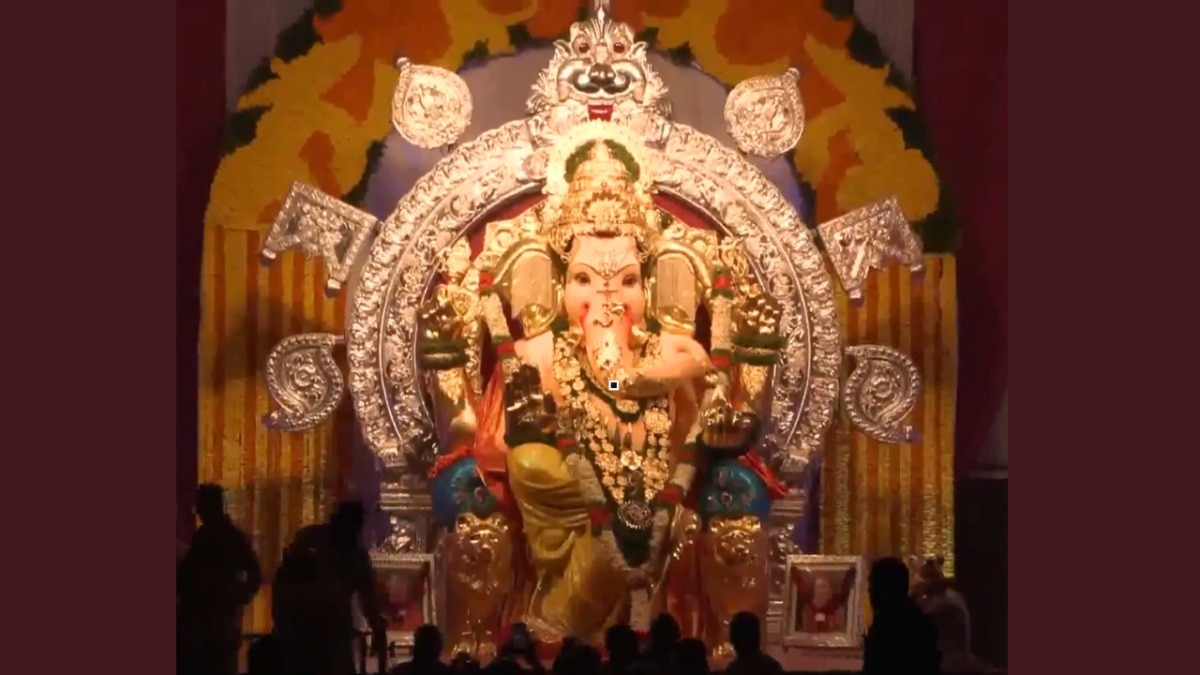
The spirit of Ganeshotsav is in full bloom as devotees across the country welcome Lord Ganesha with immense fervor. The air is filled with chants of 'Ganpati Bappa Morya,' marking a season of profound faith and joy.
- Massive public participation and spiritual fervor during Ganeshotsav.
- Devotees welcome Lord Ganesha with grand processions and traditional chants.
- The festival serves as a symbol of social cohesion and spiritual renewal.
The cultural landscape of India is currently illuminated by the vibrant celebrations of Ganeshotsav. As devotees welcome Lord Ganesha—the remover of obstacles and the deity of wisdom—the atmosphere is charged with an unparalleled sense of devotion. From the streets of Mumbai to the quietest villages, the chants of 'Jai Shree Ganesh' resonate deeply, reflecting the unwavering faith of millions.
This year, the scale of celebration has reached new heights. Elaborate pandals (temporary shrines) have been erected, housing exquisitely crafted idols of Lord Ganesha. The streets are alive with the rhythmic beats of traditional drums, as devotees dance in celebration, creating a sensory experience that is both spiritual and exhilarating.
Historical Background
While the worship of Ganesha is ancient, the transformation of Ganeshotsav into a grand public event was spearheaded by the legendary freedom fighter Lokmanya Bal Gangadhar Tilak. During the Indian independence movement, Tilak utilized this festival to bypass colonial restrictions on public gatherings, using it as a tool to foster national unity and social integration among Indians.
Why This Matters
BozokMedia analysis shows that festivals like Ganeshotsav play a dual role: they preserve the rich intangible heritage of the nation while acting as significant economic drivers for local artisans, florists, and small businesses. It is a period where spirituality meets socio-economic vitality.
Ganeshotsav is more than a ritual; it is a profound manifestation of India's collective identity and its ability to find unity through faith.
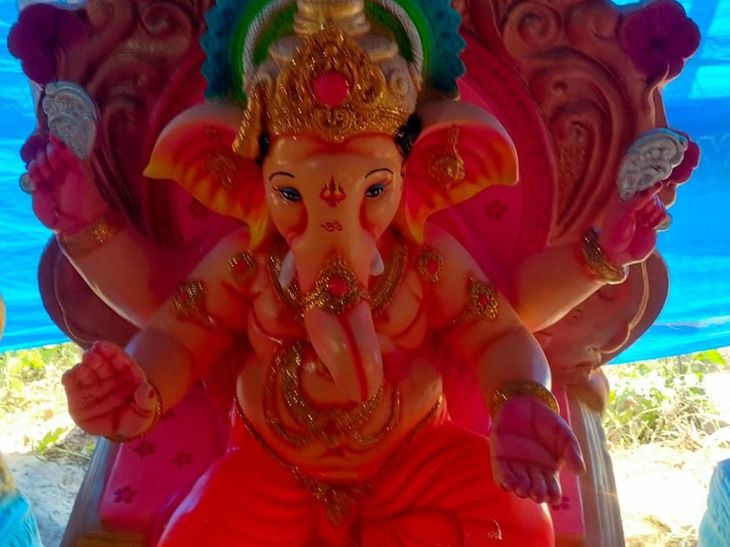
In recent years, a significant shift toward sustainability has been observed. The rise of 'Eco-friendly Ganesha' idols made from clay and natural dyes demonstrates a growing consciousness among devotees to honor the deity while protecting the environment.
Frequently Asked Questions
Question 1: What is the significance of Ganeshotsav?
Answer: It celebrates the birth and presence of Lord Ganesha, symbolizing new beginnings, wisdom, and the removal of life's hurdles.
Question 2: How did Ganeshotsav become a public festival?
Answer: Lokmanya Tilak transformed it into a public event to unite people against colonial rule during the Indian freedom struggle.