ISRO is grappling with a perfect storm of consecutive launch failures, delays in the Gaganyaan mission, and a significant exodus of top scientists to the burgeoning private space startup sector.
Key Takeaways
- Consecutive failures of the PSLV-C61 and PSLV-C62 rockets.
- Delays in the unmanned Gaganyaan G1 test flight.
- High attrition rates among Group A scientists.
- Rising competition from homegrown space startups.
The Indian Space Research Organisation (ISRO), a symbol of national pride for six decades, is currently navigating a period of unprecedented turbulence. A series of interlinked developments—ranging from technical setbacks to human resource challenges—has placed the premier space agency under intense scrutiny. The emergence of a vibrant private space ecosystem is fundamentally altering the landscape in which ISRO operates.
Launch Setbacks and Project Delays
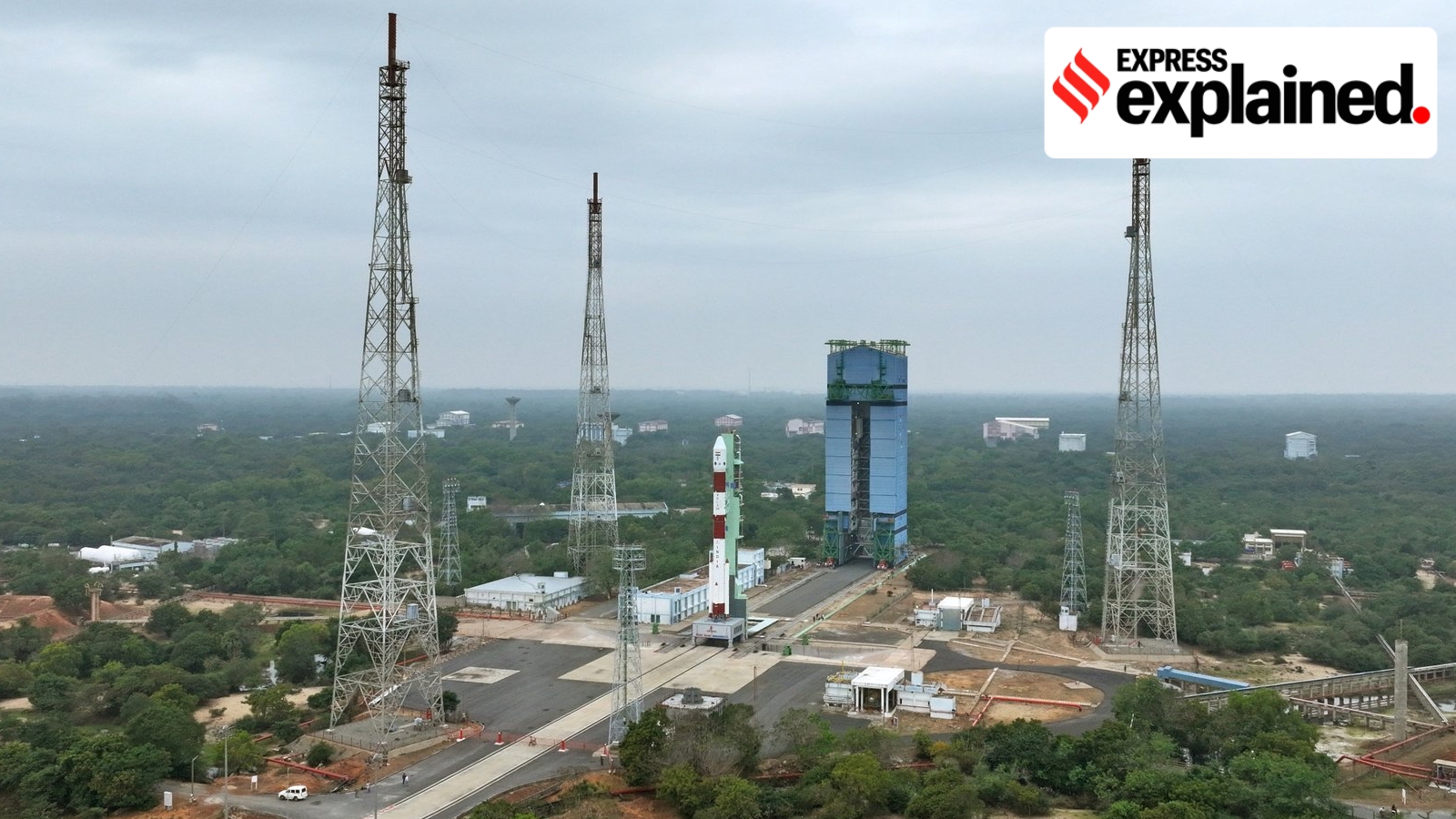
The reliability of ISRO's launch vehicles has taken a hit following the back-to-back failures of the PSLV rocket. Specifically, the PSLV-C61 and PSLV-C62 missions failed to reach their intended orbits, marking a significant setback for the agency's workhorse. Furthermore, the timeline for Gaganyaan, India's maiden human spaceflight mission, has faced delays regarding its crucial unmanned test flight (G1).
The Talent Drain: Why Scientists are Leaving
A recent internal memo from the Department of Space highlighted a concerning trend: a spate of voluntary retirements and resignations from Group A scientific personnel. BozokMedia analysis shows that these exits are not just random departures but are closely linked to the rise of private aerospace startups. Many mid-level scientists with 10-12 years of experience are moving to the private sector, drawn by the agility and entrepreneurial opportunities offered by new players.
"The latest exodus is for the startup ecosystem, which is creating a huge hullabaloo among ISROites." - Former ISRO Scientist Tapan Misra.
The impact on human resources is quantifiable. Analysis of ISRO's headcount reveals that its current employee availability stands at just 72% of its sanctioned strength, a sharp decline from the 95% peak seen in 2017-18. This talent gap poses a direct risk to the execution of high-priority national projects.
Why This Matters: The Startup Revolution
The Indian space sector is witnessing a paradigm shift. While ISRO was once the sole architect of India's space ambitions, companies like Agnikul Cosmos are now launching their own orbital rockets. This transition from a monopoly to a competitive market is inevitable, but it places immense pressure on ISRO to retain its best minds amidst a 'private aerospace boom.'
Frequently Asked Questions
1. What is causing the high attrition at ISRO?
The primary driver appears to be the growing space startup ecosystem, which attracts experienced scientists with better opportunities and autonomy.
2. How have the recent rocket launches been performing?
ISRO has faced recent challenges with the PSLV, specifically the C61 and C62 missions, which failed to reach their intended orbits.