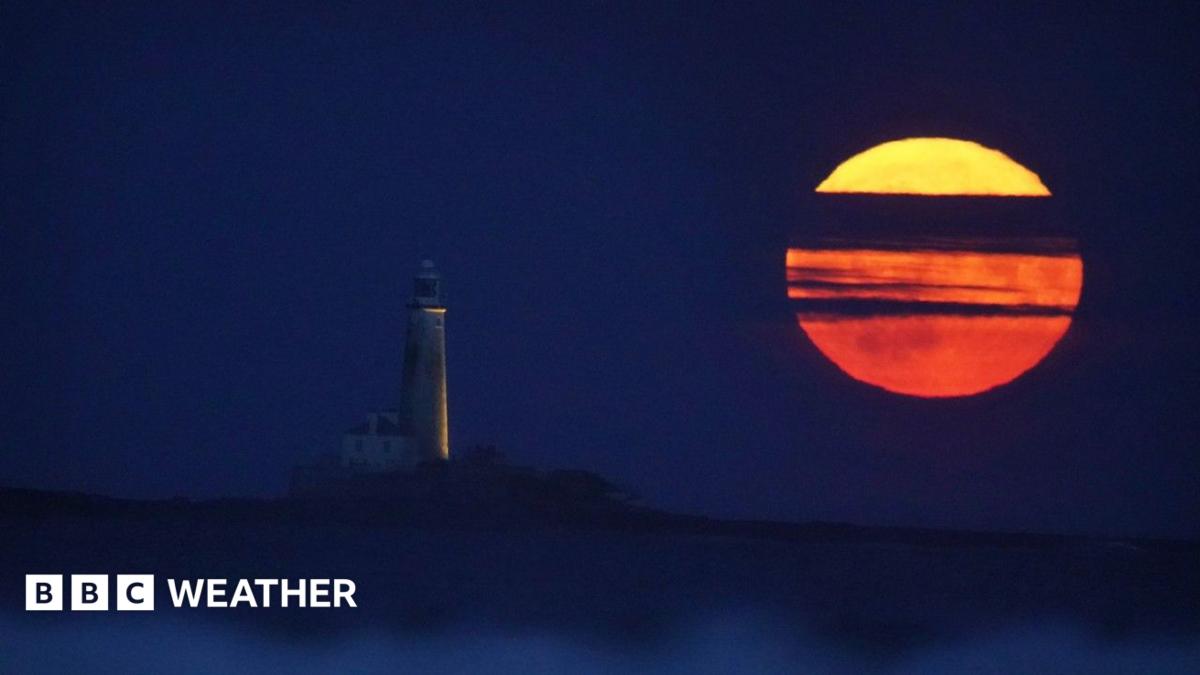
The July full moon, famously known as the Buck Moon, is set to light up the night sky. Discover the science behind its name and how to catch this stunning view.
Key Takeaways
- The July full moon, known as the Buck Moon, peaks on July 29.
- The name stems from the season when male deer grow new antlers.
- Viewing conditions are expected to be favorable with clear skies in many regions.
- Upcoming celestial events include the Perseid meteor shower in August.
The night sky is about to undergo a stunning transformation as the July full moon, popularly called the 'Buck Moon', prepares to illuminate the heavens. This event marks the second of three full moons expected this summer, offering a breathtaking sight for stargazers worldwide.
While the moon reaches its exact peak of fullness on July 29, observers do not need to worry about missing the precise moment. Even if the peak occurs just below the horizon in certain locations, the moon will appear visually complete to the naked eye throughout Tuesday and Wednesday night.
Why is it called the Buck Moon?
Historically, various cultures have used the phases of the moon to track seasonal changes and agricultural cycles. The term 'Buck Moon' is derived from the natural phenomenon where male deer, or bucks, rapidly grow new sets of antlers during this period. Interestingly, the Royal Observatory also refers to this as the 'Thunder Moon' due to the frequent summer storms, while others call it the 'Hay Moon', signifying the hay harvest season.
Why This Matters
BozokMedia analysis shows that celestial events like the Buck Moon serve as vital links between modern astronomy and ancient cultural heritage. These occurrences provide a unique opportunity for public engagement with science and a reminder of our planet's place in the solar system.
The rhythmic cycle of the moon continues to be one of nature's most reliable and awe-inspiring clocks.
Weather forecasts suggest that viewing conditions will be largely favorable. Many areas are expected to experience clear skies after dark, providing an ideal backdrop for observing this lunar spectacle.
What Else is Coming This Summer?
The Buck Moon is merely the beginning of a celestial season. Skywatchers should also prepare for:
- Perseid Meteor Shower: Peaking overnight on August 12-13.
- Solar Eclipse: A spectacular partial solar eclipse is also on the horizon for late August.
Frequently Asked Questions
Question 1: Do I need special equipment to see the Buck Moon?
Answer: No, the moon is bright enough to be viewed clearly with the naked eye.
Question 2: When is the best time to observe it?
Answer: The nights of July 29 and July 30 will offer the best visual experience.