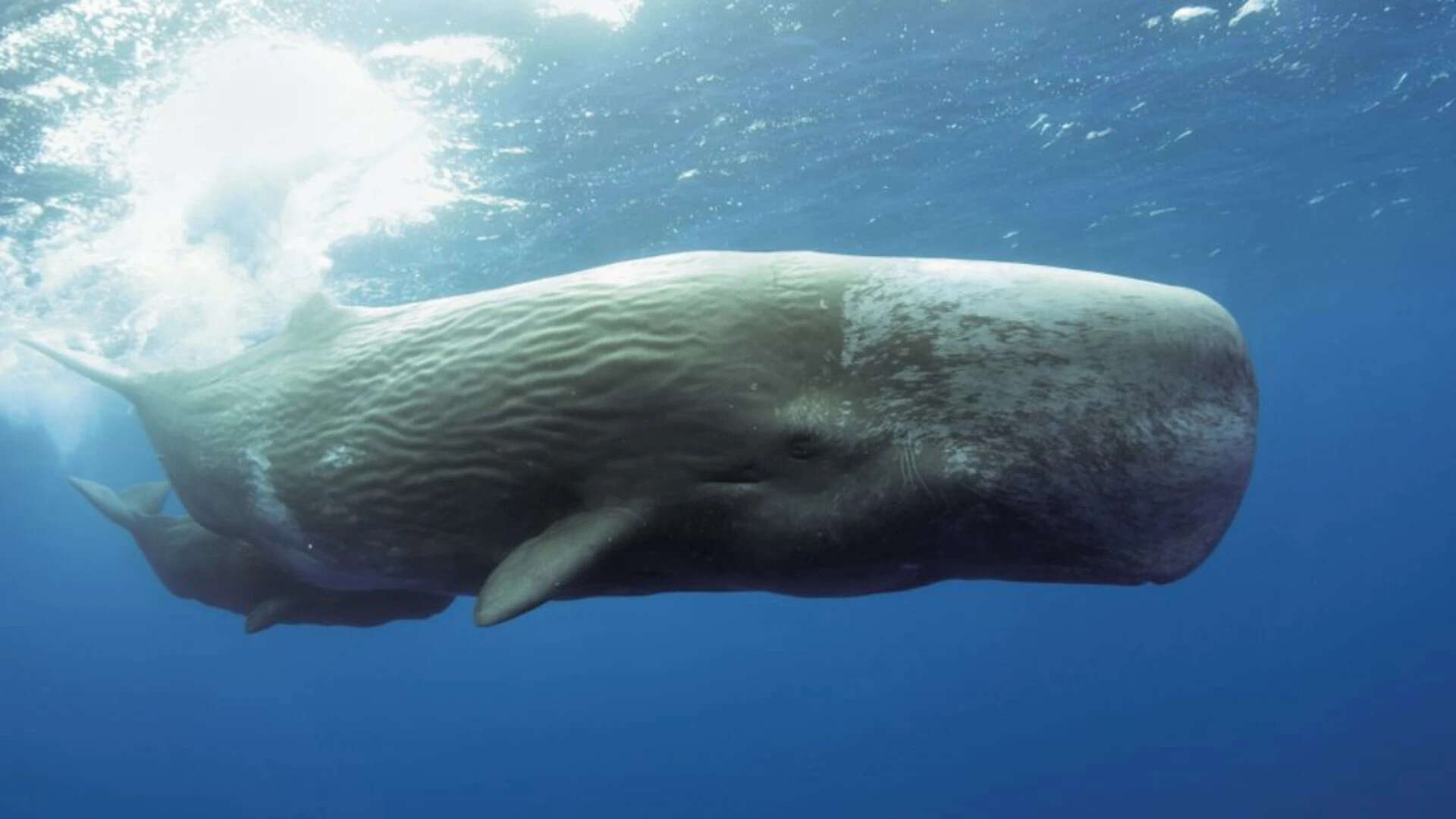
In a pioneering study, researchers used artificial intelligence to decode the complex communication system of sperm whales. The analysis revealed a phonetic alphabet, word‑like click combinations, and a distinct regional dialect among whales in the eastern Mediterranean, reshaping our view of non‑human language and underscoring its conservation value.
Scientists have just published a landmark paper that leverages deep‑learning algorithms to dissect the vocal repertoire of the sperm whale (Physeter macrocephalus). By applying AI to more than 200 hours of underwater recordings, the team moved beyond traditional echo‑location studies to explore the possibility of a structured, language‑like system.
Historical Context
Sperm whales are the largest toothed mammals on Earth and have long fascinated marine biologists for their sophisticated social structures. Earlier acoustic research documented clicks and codas, but the notion of a true linguistic grammar remained speculative.
AI‑Driven Methodology
The researchers trained a convolutional neural network to identify recurring acoustic motifs, segmenting them by frequency range, duration, and inter‑click intervals. The model distilled over thirty elementary sound units into a “phonetic alphabet,” each acting as a building block for longer sequences.
Key Findings
When arranged in specific orders, these units formed repeatable patterns that resemble words. Notably, whales inhabiting the eastern Mediterranean Sea employed a unique set of patterns, constituting a regional dialect that differs from populations in the Atlantic or Pacific. This is the first robust evidence of geographic variation in cetacean vocal culture.
Implications for Science and Conservation
The discovery carries dual significance. Scientifically, it pushes the boundaries of comparative linguistics into the marine realm, offering a new lens to study cognition and social learning in large mammals. From a conservation perspective, deciphering whale “speech” could enable early detection of stress signals, mating calls, or warnings about ship traffic, allowing policymakers to design more effective protection measures.