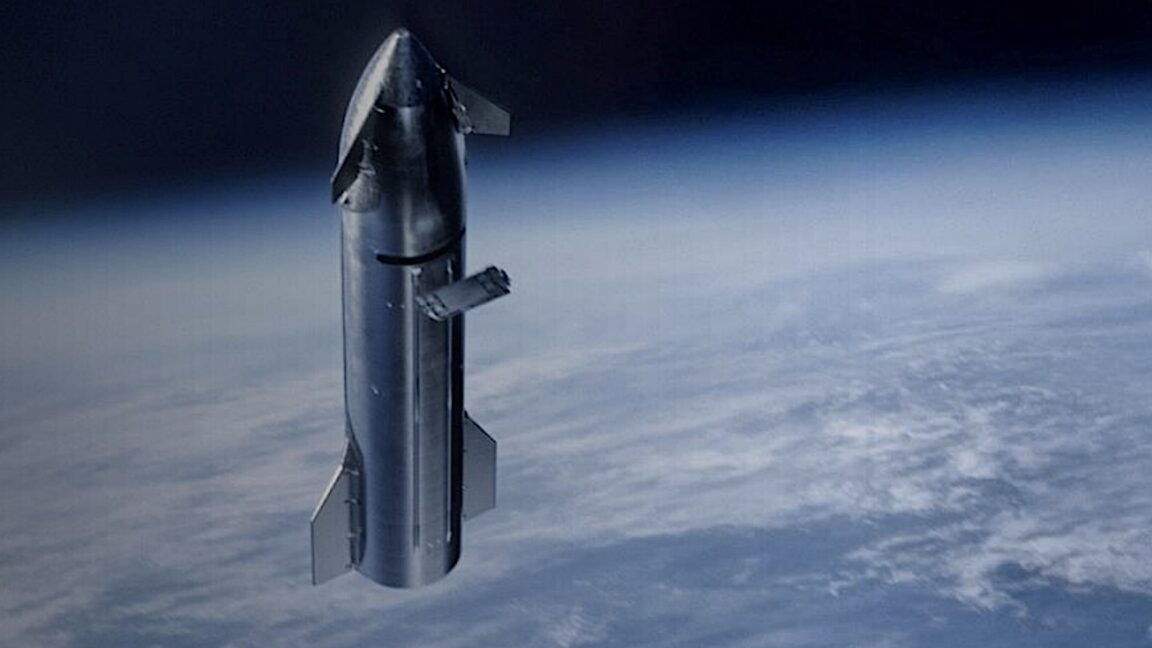
Starship’s over‑100‑ton payload and refueling capability are reshaping the space sector. The rocket’s versatility promises easier lunar, Martian and deep‑space missions, while spurring a new era of global competition.
SpaceX's latest launch vehicle, Starship, is redefining the space industry with a payload capacity exceeding 100 tons. This technology is more than an engine; it’s a new business model that makes lunar, Martian, and beyond missions more affordable through on‑orbit refueling.
History and Evolution
When SpaceX unveiled its first prototype a decade ago, there were few, if any, comparable rockets on the market. Since then the company has moved from prototype to full‑scale flight tests, proving that large‑scale payloads can reach orbit efficiently.
Technical Specifications
The vehicle stands over 120 meters tall and is powered by 16 Raptor engines. With a 100‑ton payload, it can handle missions from low Earth orbit to trans‑lunar injection and beyond. Its on‑orbit refueling capability allows a single flight to visit multiple destinations.
Strategic Implications
The U.S. government, particularly NASA and the Department of Defense, now views Starship as a potential vehicle for crewed lunar missions and for delivering cargo to remote war zones. Scientists are also planning to leverage its massive volume to launch large telescopes and other research payloads into space.
Global Competition
China, the United States’ most formidable strategic rival, is developing its own next‑generation launch vehicle, while leading satellite manufacturers worldwide are adjusting their production plans to accommodate the enormous capacity of the world’s most powerful rocket. This shift is sparking a new race—and new avenues for cooperation—in the space sector.