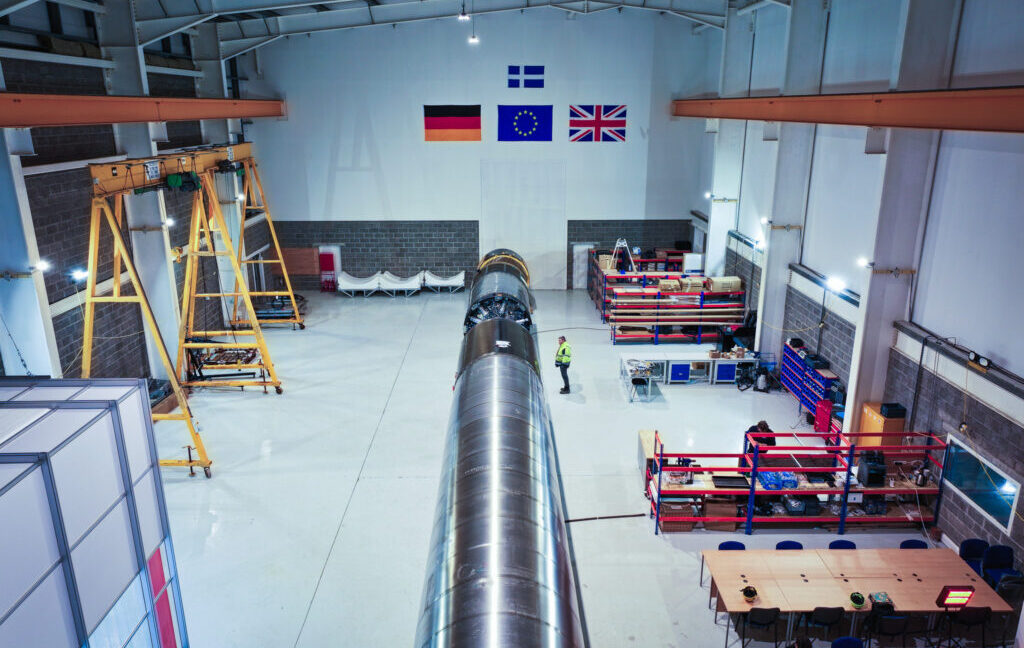
August brings a trio of high‑profile rocket events across China, India and Germany. The reusable first stage of Long March 10B, Skyroot’s maiden launch attempt, and RFA’s second try after a 2022 failure promise fresh momentum for the global space sector.
Key Takeaways
- Long March 10B will attempt a sea‑ship landing of its reusable first stage.
- Skyroot aims to launch Vikram‑1, marking India’s first private orbital attempt.
- Germany’s RFA One returns for its maiden flight from SaxaVord after a 2022 static‑fire setback.
The first half of August 2024 is poised to reshape the commercial launch landscape. China will roll out the medium‑lift Long March 10B featuring a reusable first stage that, after separation, will try to touch down on a recovery vessel—a clear signal that Beijing is closing the gap with SpaceX’s Falcon 9 heritage.
India’s Private Space Surge
Meanwhile, Indian startup Skyroot Aerospace is gearing up for its inaugural flight of Vikram‑1. If the launch succeeds, it will be the first orbital mission from a private Indian company, positioning Skyroot as a competitor to ISRO’s commercial services. The vehicle is designed to deliver small payloads of up to 500 kg to a 500‑km Sun‑synchronous orbit, promising lower costs for constellation builders.
Germany’s RFA One Returns
German rocket‑builder Rocket Factory Augsburg (RFA) has set a new launch window for its RFA One after the first‑stage fire that crippled a 2022 static test. The launch will take place from Scotland’s SaxaVord Spaceport on 10 August, marking a determined comeback for Europe’s nascent private launch sector amid tightening budgets at national agencies.
Implications for the Industry
Collectively, these missions underscore a shift toward reusable, cost‑effective access to space. Success would accelerate launch cadence, drive down satellite deployment costs, and reinforce the role of private enterprises in the orbital market. Over the next five years, we can expect a noticeable uptick in launch frequency from Asia and Europe, reshaping the competitive dynamics that have long been dominated by the United States.