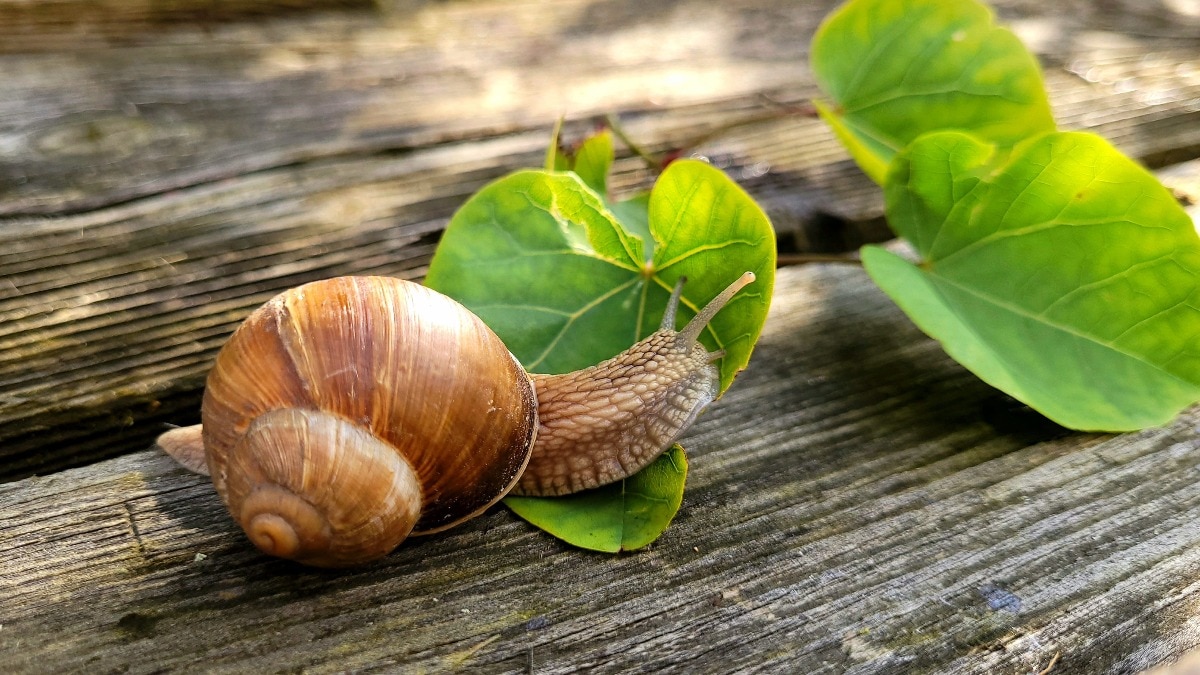
In Maharashtra’s Latur and Dharashiv districts, unusually large snails are devouring young soybean seedlings at night, jeopardising the Kharif harvest. Authorities advise metaldehyde pellets and community night‑time collection to curb the infestation.
Key Takeaways
- Large snails are attacking soybean seedlings after sunset in Latur and Dharashiv
- Metaldehyde pellets and deep ploughing are recommended control measures
- Community night‑time collection efforts are crucial to protect crops
In the Marathwada region of Maharashtra, a surprising pest problem has emerged during this year’s monsoon. Five to seven villages across Latur and Dharashiv districts report unusually large snails feeding on newly sprouted soybean plants, causing losses of up to 70‑80% in the early growth stage.
Background and Seasonal Context
Irregular rainfall and water‑logging have become common across large parts of India. In Maharashtra, fields adjacent to rivers, ponds, and low‑lying areas retain moisture, creating an ideal breeding ground for snails. Young soybean leaves offer an easily accessible food source, making the crop especially vulnerable.
Nighttime Assault: The Snail Threat
Superintendent Agriculture Officer Mahesh Tirthkar explained that the snails become active after sunset, emerging around 9 PM and remaining in the fields until about 5 AM. Farmer Baliram Abarbande from Wadal village reported that 75% of his soybean crop on a three‑acre plot was eaten. Consequently, many families stay awake through the night, forming community teams to capture and later destroy the snails.
Control Measures on the Ground
Officials are urging the use of metaldehyde balls at field boundaries, a molluscicide that disrupts snail nervous systems. In addition, deep ploughing (4‑5 inches) is recommended to bury snail eggs, preventing a new generation from emerging before the next sowing cycle. Villagers are also manually collecting snails after dark and disposing of them safely.
Implications and Future Outlook
If left unchecked, the snail infestation could significantly reduce soybean yields, impacting farmer incomes and national food security. Experts suggest integrating biological controls—such as encouraging natural predators—and improving water‑management practices to mitigate future outbreaks.