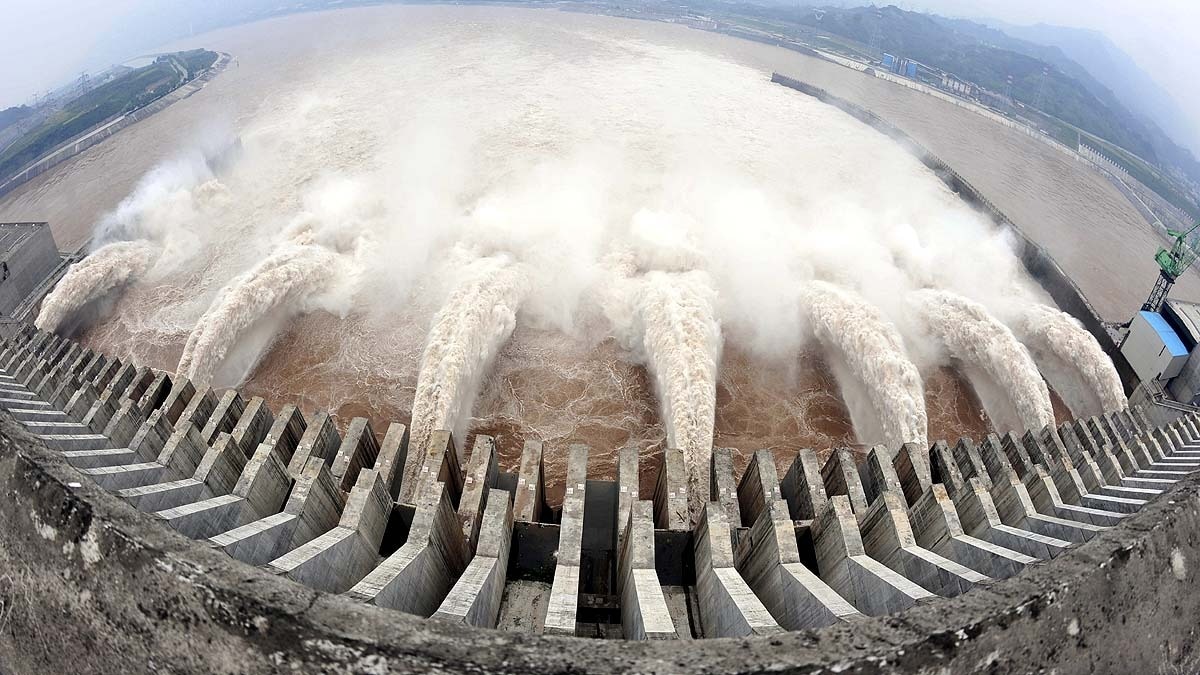
A new study by Chinese geologists reveals an active Paizhen fault beneath the Brahmaputra mega‑dam in Tibet, raising concerns that a major earthquake could compromise the dam’s safety. The warning revives questions about downstream water security for India, Bangladesh and the broader region.
Key Takeaways
- Active Paizhen fault lies directly beneath the dam site
- Seismic activity could threaten the dam, tunnels, bridges and reservoir foundations
- Strengthening slope stability and landslide‑mitigation systems are essential
China began constructing the $167.8 billion Brahmaputra mega‑dam in Tibet in July 2025, claiming it will generate over 300 TWh of electricity annually. The structure straddles the deep Himalayan gorge through which the Brahmaputra flows before entering India’s Arunachal Pradesh, making it one of the world’s largest hydropower projects.
Scientists Issue a New Warning
Geologists from Chengdu University of Technology and the China Geological Survey have released a study indicating that the Paizhen fault line adjacent to the dam has been active for decades. Continuous tectonic slip along this fault has weakened surrounding rock masses, raising the probability of a strong earthquake and associated landslides that could jeopardise the dam’s integrity.
Historical and Tectonic Context
The region experienced a magnitude‑6.9 quake in 2017, underscoring the fault’s activity. Situated at the collision zone of the Indian and Eurasian plates, the area is prone to frequent moderate‑to‑strong seismic events. Building a massive reservoir in such a zone is considered high‑risk, as dam failure could unleash catastrophic floods downstream in India and Bangladesh.
Geopolitical Ramifications
Beyond engineering, the dam grants China strategic leverage over trans‑border water flows. Downstream nations fear altered river regimes, potential flood surges, or reduced water availability during droughts. The study reignites calls for transparent, multilateral water‑sharing agreements and adherence to international dam safety protocols.
Recommended Mitigation Measures
Researchers advise reinforcing the surrounding slopes, installing state‑of‑the‑art landslide monitoring, and designing emergency spillways capable of rapid water release. They also urge China to commission independent seismic risk assessments compliant with global standards, providing downstream countries with reliable safety data.
Until these safeguards are fully implemented, the mega‑dam’s long‑term viability and regional trust remain in question.