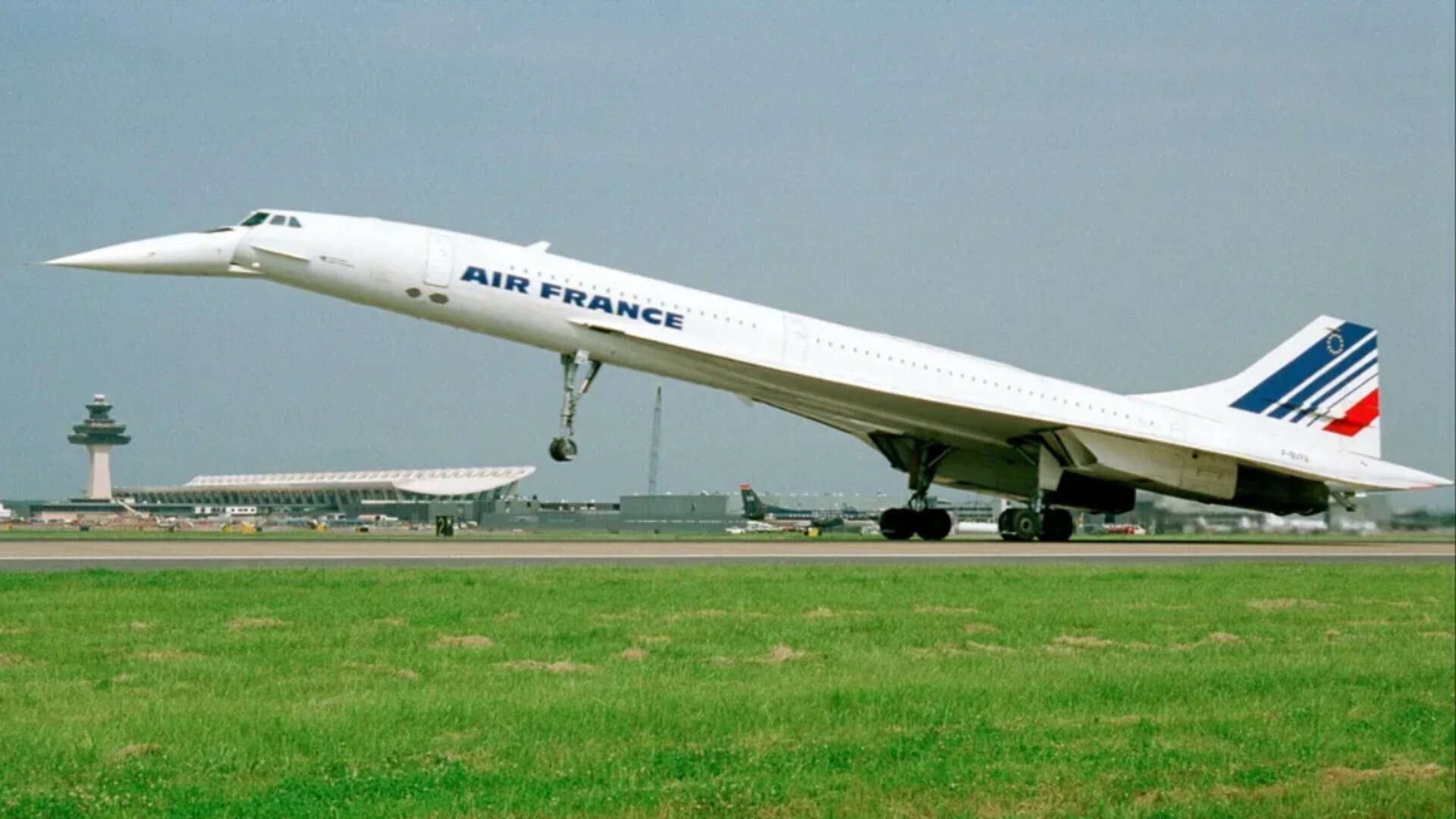
The Concorde pushed the limits of commercial aviation by cruising near the edge of space, exposing passengers to heightened cosmic radiation. When dangerous solar storms struck, pilots were required to descend to safer altitudes, putting safety above speed.
मुख्य बिंदु (Key Takeaways)
- Concorde flew at twice the altitude of typical airliners, demanding real‑time radiation monitoring.
- Radiation levels varied with altitude, geography, and solar activity.
- During cosmic storms, pilots were mandated to descend, prioritising passenger safety over speed.
The supersonic marvel Concorde operated from the 1970s until 2003, redefining high‑speed, high‑altitude travel. By cruising at roughly 18 km (60,000 ft), the aircraft hovered just below the Kármán line, the conventional boundary of space. While this altitude offered unmatched efficiency, it also placed the cabin within a region of increased cosmic radiation, necessitating constant monitoring to protect passengers and crew.
Radiation Monitoring and Pilot Protocols
Concorde’s onboard instrumentation included a dedicated radiation sensor suite that relayed real‑time dose rates to the flight deck. Whenever solar flares, geomagnetic storms, or other space weather events were forecasted, pilots received explicit instructions to reduce altitude, moving the aircraft into denser atmospheric layers where the Earth’s magnetic shield is strongest. This precautionary measure ensured that exposure stayed well within regulatory limits, even if it meant sacrificing a fraction of the aircraft’s characteristic speed.
Influence of Altitude, Geography, and Solar Activity
Radiation intensity is not uniform; it escalates with altitude, varies by latitude (higher near the poles), and spikes during periods of intense solar activity. Concorde’s typical transatlantic routes over the North Atlantic and Pacific placed it in mid‑latitude corridors, a strategic choice that balanced operational efficiency with manageable radiation exposure. Researchers have documented that during strong solar events, dose rates at Concorde’s cruising altitude could double, underscoring the importance of the descent protocol.
Safety Over Speed: Lessons for the Aerospace Industry
Even after Concorde’s retirement, the lessons it taught about high‑altitude radiation stewardship continue to shape next‑generation supersonic and hypersonic programs—such as SpaceX’s Starship and Boom Supersonic’s Overture. Modern designers embed radiation shielding and predictive space‑weather analytics into the aircraft’s flight‑management systems from day one, reflecting an industry‑wide shift toward safety‑first engineering.
In essence, Concorde was not merely a symbol of speed; it was a living laboratory for understanding how commercial aircraft interact with Earth’s outer atmospheric layers. Its legacy compels today’s innovators to integrate rigorous environmental and health considerations alongside performance goals, ensuring that the pursuit of faster travel never compromises passenger well‑being.