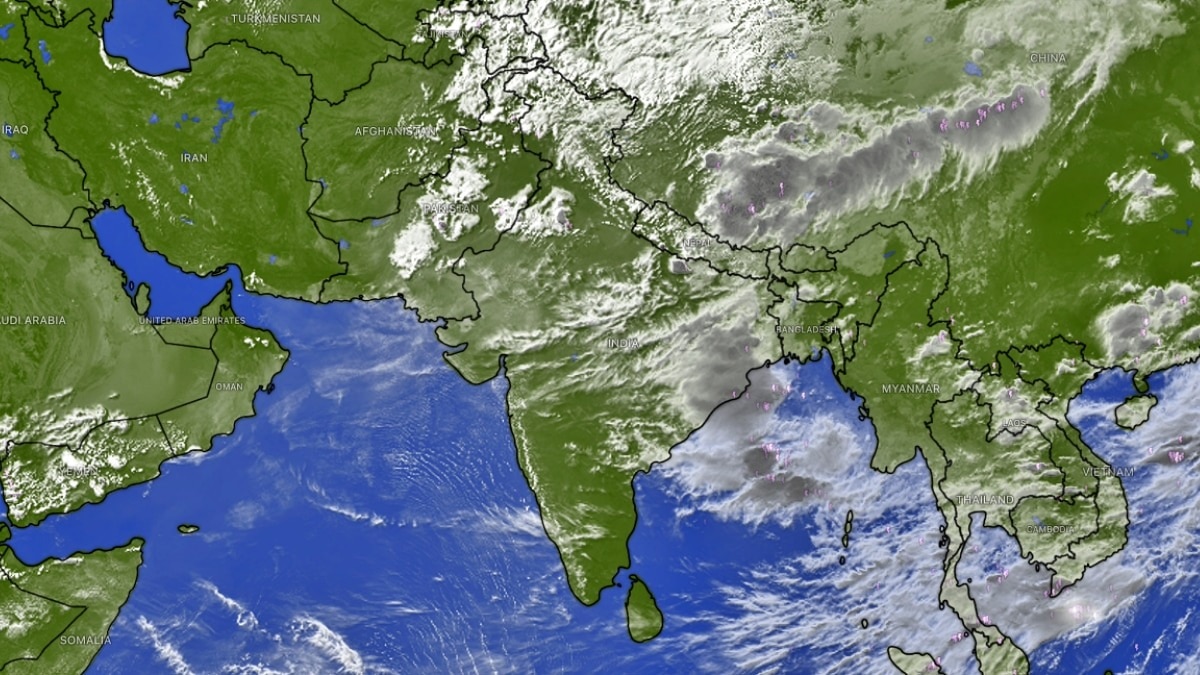
The India Meteorological Department (IMD) has issued a weather outlook indicating dry conditions over most of the country, while heavy to very heavy rain is expected in Bihar, West Bengal and the Northeast. Meghalaya could see more than 20 cm of rainfall, raising flood concerns.
Key Takeaways
- Heavy rain expected in Bihar, West Bengal and the Northeast
- Dry weather continues across most of the country
- Monsoon troughs and cyclonic circulations drive the pattern
The India Meteorological Department (IMD) released its forecast on Tuesday, July 14, stating that the next three to four days will bring heavy to very heavy rainfall in parts of the Northeast, Bihar and West Bengal, while the north‑west, central and peninsular regions will experience weak monsoon activity.
Rainfall Hotspots
Meghalaya tops the list with a projected accumulation of over 20 cm, heightening the risk of flash floods and landslides in its hilly terrain. Sub‑Himalayan West Bengal, Sikkim, Assam, Tripura and eastern Uttar Pradesh have already reported 7‑11 cm of intense rain, pushing river levels upward and prompting local authorities to issue flood alerts.
Dry Spell Elsewhere
Conversely, the monsoon trough has stalled near the foothills of the Himalayas, resulting in a dry spell across north‑west, central and peninsular India. This weakening of monsoon convection puts pressure on agricultural operations in Punjab, Haryana and Rajasthan, where water‑conserving practices become crucial.
Atmospheric Drivers
IMD attributes the uneven weather pattern to several active systems: a monsoon trough extending from Shri Ganganagar to Manipur, cyclonic circulation over southern Bangladesh and the Bay of Bengal, and an additional trough from north‑west Bihar to Manipur. A western disturbance hovering over central Pakistan also influences northern Indian weather, adding further complexity.
Looking Ahead
Experts warn that if the current imbalance persists, the north‑western regions may see a resurgence of monsoon activity within the next two to three weeks, while the Northeast could continue to endure heavy rainfall. Immediate reassessment of water‑management strategies, flood‑warning mechanisms, and agricultural planning is essential to mitigate the dual threats of drought and excess rain.