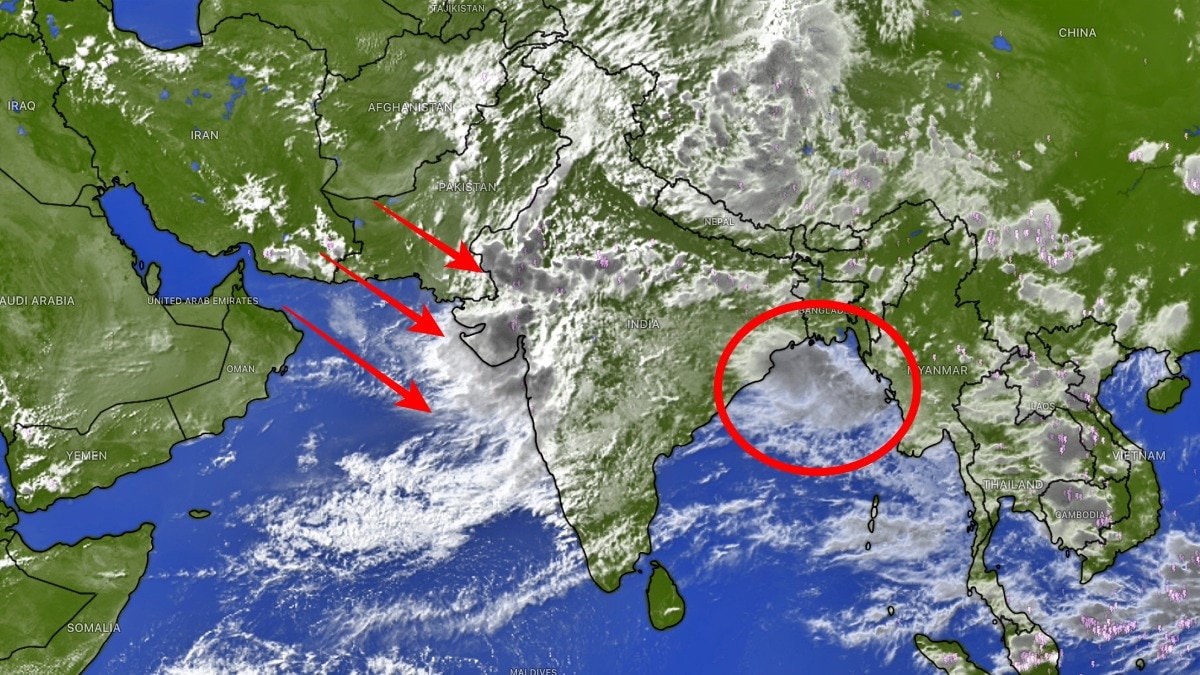
INSAT‑3DR imagery shows both the Arabian Sea and Bay of Bengal feeding an intense monsoon spell across India. Gujarat, South Rajasthan and Northwest Maharashtra face 300‑700 mm of rain in the next 48 hours, raising flood and evacuation concerns.
Key Takeaways
- Both the Arabian Sea and Bay of Bengal are delivering massive moisture.
- Gujarat, South Rajasthan and Northwest Maharashtra could receive 300‑700 mm of rain.
- Flash floods, urban water‑logging and possible evacuations are imminent.
The latest INSAT‑3DR satellite image reveals continuous cloud bands stretching across western and eastern India, where the Arabian Sea and Bay of Bengal are simultaneously powering a powerful monsoon system.
Meteorologists warn that the next 36‑48 hours are critical for Gujarat, South Rajasthan and Northwest Maharashtra, where extremely heavy rainfall could trigger fresh flooding. The European Centre for Medium‑Range Weather Forecasts (ECMWF) projects further intensification of rain over Gujarat in the coming two days.
After severe flooding hit Valsad and Vapi, attention now shifts to Ahmedabad, Vadodara, Surat, Anand, Bharuch, Himmatnagar, Palanpur and Pratapgarh, where rising water levels are causing growing urban‑flood concerns.
Why This Matters
BozokMedia analysis shows that the parallel moisture influx from both seas is unprecedented in recent decades, keeping large swathes of the country under threat from intense thunderstorms, lightning, squally winds and prolonged heavy rain.
"The simultaneous moisture surge from both seas is unparalleled in recent monsoon records," said Dr. Anil Sharma, climatologist at the Indian Institute of Tropical Meteorology.
Historical Background
Historical monsoon data for India indicate that dual‑sea moisture events have previously led to extreme rainfall episodes, notably in 1998 and 2010, which caused widespread flooding and significant agricultural losses.
Frequently Asked Questions
Q1: Is this year’s monsoon stronger than average?
A: Yes, the concurrent moisture feed from both seas makes this the most vigorous monsoon phase of the season.
Q2: What precautions should residents take?
A: Avoid flood‑prone zones, follow local authority directives, and stay prepared for potential water‑supply disruptions and health advisories.