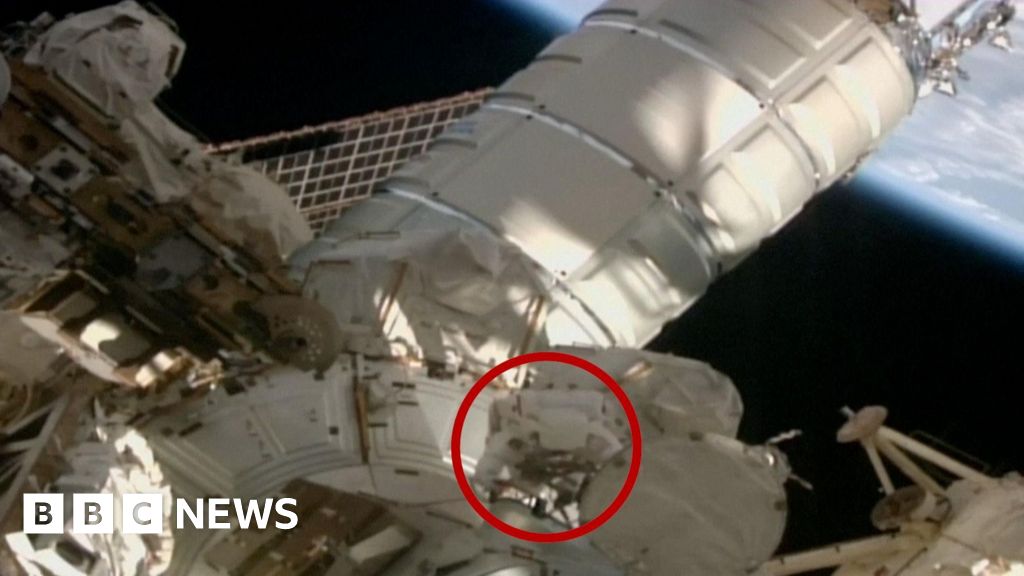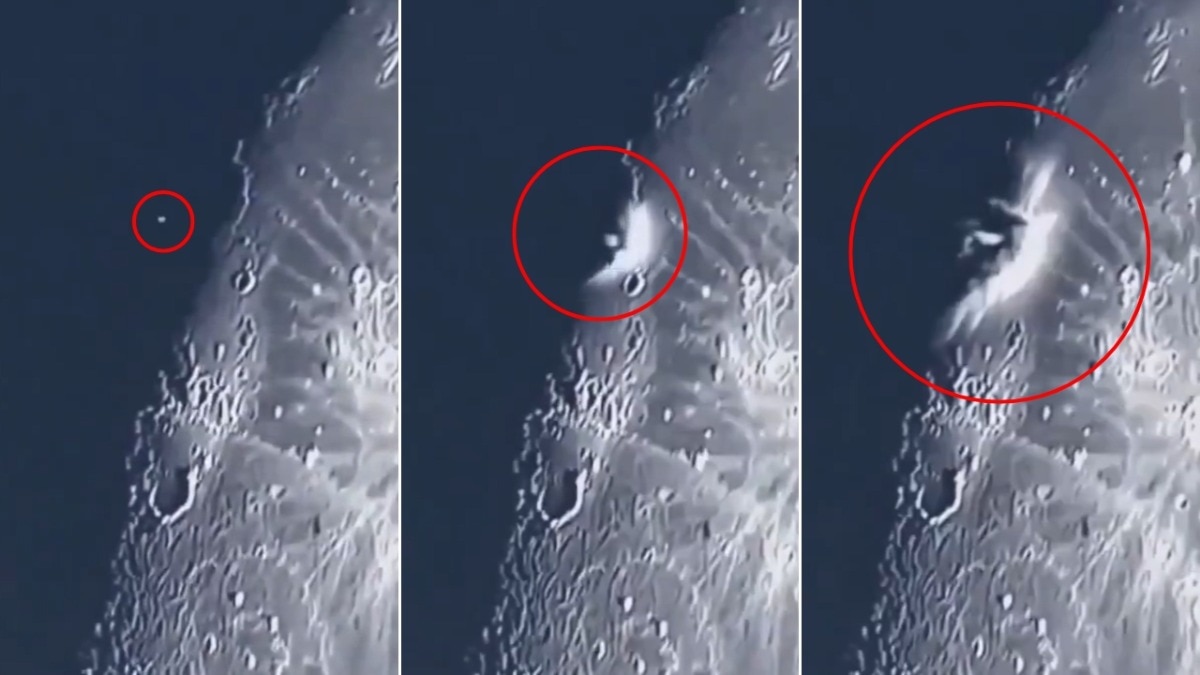
A one‑ton SpaceX Falcon 9 upper stage slammed into the Moon at high speed, but no authentic footage exists; only AI‑generated video and scientific spectra have been released.
Key Takeaways
- SpaceX Falcon 9 upper stage impacted the Moon
- No authentic photo or video captured
- Scientists detected the impact via spectral lines
Historical Background
Launched from Florida in January 2025, the reusable Falcon 9 carried two lunar landers. After delivering them, the first stage returned to Earth while the four‑ton upper stage was left to drift in space.
On August 5 2025, the Moon’s gravity captured the discarded stage, accelerating it to 8,690 km/h before it struck the surface at 2:30 a.m. Eastern Time (12:30 p.m. IST). No flash was visible to ground‑based observers.
Why This Matters
BozokMedia analysis shows that the crash highlights the challenges of monitoring space debris and underscores the need for real‑time observation capabilities for future lunar missions.
"If a rocket crashes on the Moon and no one sees it, the question of whether it really happened tests the very foundations of scientific verification," said space analyst Dr. Emily Carter.
Scientific Observations
The European Southern Observatory’s Very Large Telescope recorded distinct sodium and lithium spectral lines—sodium from lunar regolith and lithium from the rocket’s fuel—visible for 5‑10 minutes and spanning several kilometres.
Frequently Asked Questions
Question 1: Will authentic photos ever be released?
Answer: NASA’s Lunar Reconnaissance Orbiter and South Korea’s Pathfinder Lunar Orbiter are scheduled to capture before‑and‑after images in the coming days, potentially providing the first clear visuals.
Question 2: Does this incident affect future Moon missions?
Answer: Yes, it stresses the importance of tracking space debris and revising safety protocols for upcoming lunar exploration programs.