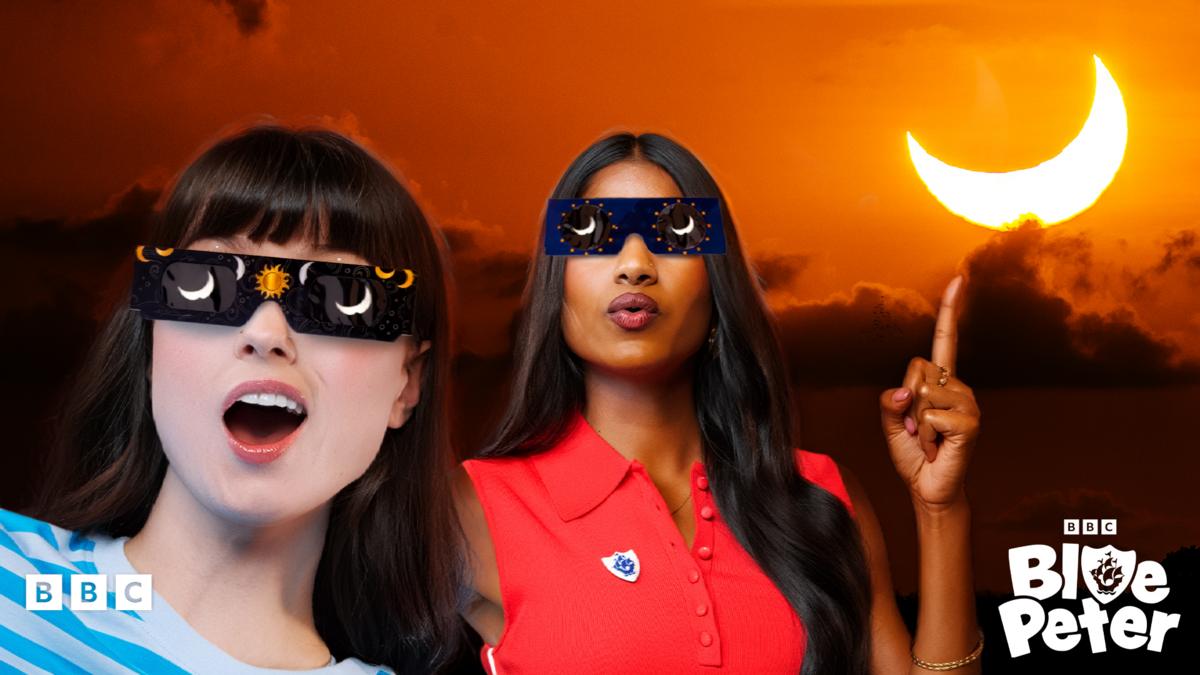
On August 12, 2026, the UK will witness a spectacular partial solar eclipse. Learn the essential safety protocols and DIY methods to enjoy this celestial event without risking your vision.
Key Takeaways
- A major partial solar eclipse will occur in the UK on August 12, 2026.
- The Moon will block up to 96% of the Sun depending on your location.
- Never use standard sunglasses; only ISO 12312-2 certified glasses are safe.
- DIY pinhole projectors offer a safe, indirect viewing alternative.
Prepare for an extraordinary cosmic spectacle! On Wednesday, 12 August 2026, the United Kingdom will experience its most significant solar eclipse since 1999. As the Moon slides in front of the Sun, it will create a stunning partial eclipse, turning the Sun into a glowing, fiery crescent in the early evening sky.
What to Expect During the Eclipse
Depending on your location in the UK, the Moon is expected to obscure up to 96% of the Sun. Between 6:00 PM and 8:00 PM, the sky will noticeably darken, providing a surreal atmosphere. Adding to the excitement, the Perseid meteor shower will reach its peak just hours after the eclipse, offering a rare 'two-in-one' celestial experience for skywatchers.
Why This Matters
BozokMedia analysis shows that while solar eclipses are awe-inspiring, they pose a significant health risk if viewed incorrectly. The intense solar radiation can cause permanent retinal damage in a matter of seconds, making proper preparation more critical than the event itself.
Always prioritize certified ISO 12312-2 solar eclipse glasses; standard eyewear provides zero protection against harmful solar radiation.
Safe Viewing Methods
To protect your eyes, you must choose one of the following verified methods:
- Certified Solar Glasses: Ensure your glasses bear the ISO 12312-2:2015 certification. Inspect them for any scratches or pinholes before use.
- DIY Pinhole Projector: If specialized glasses are unavailable, use a piece of card with a small 3mm hole to project the Sun's image onto a white sheet of paper.
- Colander Method: A fun, low-tech way is to hold a kitchen colander up to let sunlight pass through the holes, projecting multiple tiny crescent suns onto a surface.
| Equipment | Safety Level | Recommended Use |
|---|---|---|
| Regular Sunglasses | Unsafe (Dangerous) | Never use for eclipses |
| ISO 12312-2 Glasses | Highly Safe | Direct viewing of the Sun |
| Pinhole Projector | Safe (Indirect) | Viewing projected shadows |
Frequently Asked Questions
1. Can I use my phone camera to watch the eclipse?
No, looking directly at the Sun through a phone screen is dangerous, and without a specialized solar filter, the intense light can also damage your phone's camera sensor.
2. Are clouds a safety factor?
No. Even thin clouds do not block the harmful invisible rays of the Sun. Do not attempt to look at the Sun just because it is cloudy.