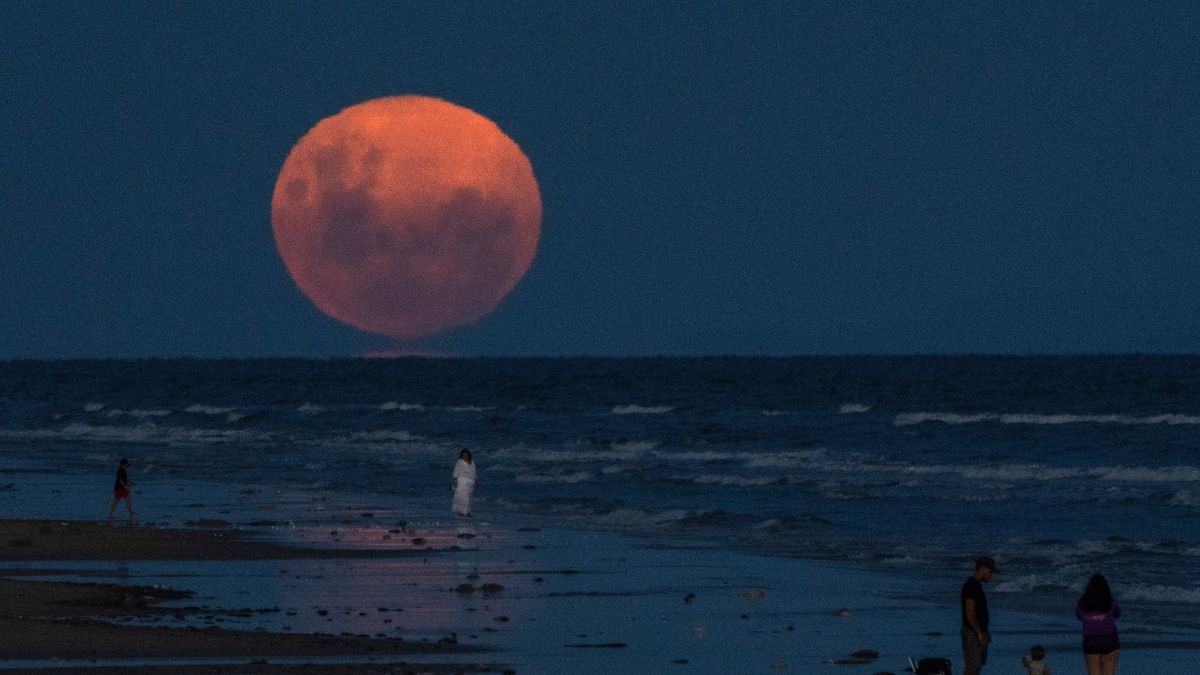
A spectacular total solar eclipse is set to cross the Arctic, Greenland, Iceland, and parts of Spain, providing a once-in-a-lifetime celestial display.
Key Takeaways
- A total solar eclipse will pass through the Arctic, Greenland, Iceland, and Spain.
- Millions are expected to witness the Moon completely obscuring the Sun.
- The event offers a rare opportunity to view the solar corona.
Space enthusiasts are bracing for a magnificent celestial event. A spectacular total solar eclipse is scheduled to sweep across the Arctic, Greenland, Iceland, and significant portions of Spain. This rare phenomenon occurs when the Moon passes directly between the Earth and the Sun, completely blocking the Sun's face.
A Celestial Spectacle
The eclipse will offer millions of observers a rare glimpse of the Sun's outer atmosphere, known as the corona. As the moon covers the solar disk, the sky will darken, and the temperature may drop significantly, creating an eerie yet beautiful atmosphere.
Why This Matters
BozokMedia analysis shows that such rare astronomical events serve as crucial windows for scientists to study solar activity and atmospheric changes. Furthermore, these events drive massive interest in scientific education and astronomical tourism across the affected regions.
A total solar eclipse is a profound reminder of the clockwork precision of our solar system.
Historical Background
Throughout history, solar eclipses have been met with both awe and fear. From ancient civilizations interpreting them as omens to modern scientists using them to prove Einstein's theory of relativity, eclipses have always been at the intersection of myth and science.
Frequently Asked Questions
Question 1: Is it safe to look at the eclipse without protection?
Answer: No, you must use certified solar eclipse glasses to prevent permanent eye damage.
Question 2: Where is the best place to view it?
Answer: The path of totality in Greenland and Iceland will offer the most unobstructed views.