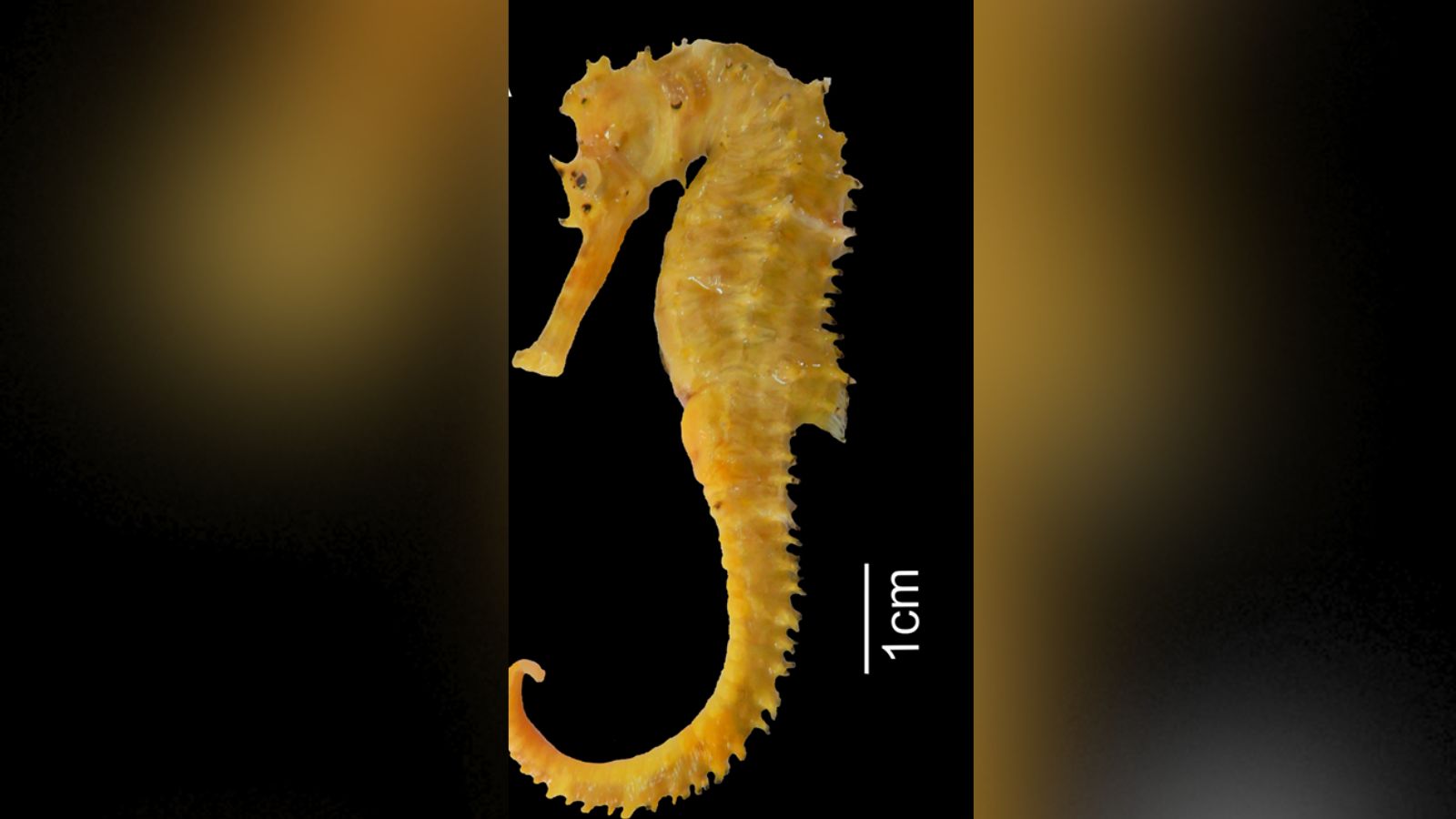
Researchers from the Kerala University of Fisheries and Ocean Studies have identified a new seahorse species, *Hippocampus amandavincentae*, distinct from the Pacific‑origin *Hippocampus histrix*. The finding prompts a fresh conservation assessment amid threats from illegal trade and habitat loss.
Key Takeaways
- Kerala University of Fisheries and Ocean Studies discovered a new seahorse species, *Hippocampus amandavincentae*.
- The species is native to the Indian Ocean, genetically distinct from the Pacific‑origin *Hippocampus histrix*.
- Its conservation status will need reassessment, with threats from illegal trade and traditional medicine.
A team of researchers from Kerala uncovered a previously unknown seahorse species while examining fishing by‑catch off the Tamil Nadu coast. Named *Hippocampus amandavincentae* in honor of leading seahorse expert Amanda Vincent, the discovery was published on 5 August in the journal *Zootaxa*.
Earlier, Indian Ocean seahorses were assumed to belong to *Hippocampus histrix*, a species first described from Japan in 1856. Detailed morphological and genetic analyses, however, revealed a 6‑7 % genetic divergence, confirming a separate species.
Historical Background
Seahorses have long served as indicators of marine ecosystem health. Until now, *Hippocampus histrix* was thought to inhabit the Indo‑Pacific region, while Indian waters were believed to host only its variants. This new finding reshapes that narrative.
Why This Matters
BozokMedia analysis shows that the identification of a distinct Indian Ocean seahorse underscores the urgency for region‑specific conservation policies. While *Hippocampus histrix* is listed as ‘Vulnerable’ on the IUCN Red List, *Hippocampus amandavincentae* will require its own assessment.
"Discovering a new marine species is a milestone for biodiversity monitoring," said marine biologist Dr. Rina Mehta.
Comparison Table
| Feature | Hippocampus histrix | Hippocampus amandavincentae |
|---|---|---|
| Geographic Range | Primarily Pacific Ocean | Indian Ocean (Tamil Nadu‑Kerala coast) |
| Genetic Difference | Reference species | 6‑7 % greater divergence |
| Conservation Status | Vulnerable (IUCN) | Assessment pending |
Frequently Asked Questions
Question 1: Has the new species been officially recognized?
Answer: Yes, the peer‑reviewed paper in *Zootaxa* grants it formal scientific recognition.
Question 2: What are the main threats to this seahorse?
Answer: Illegal trade for traditional medicine, aquarium demand, and loss of coral reef habitats pose significant risks.