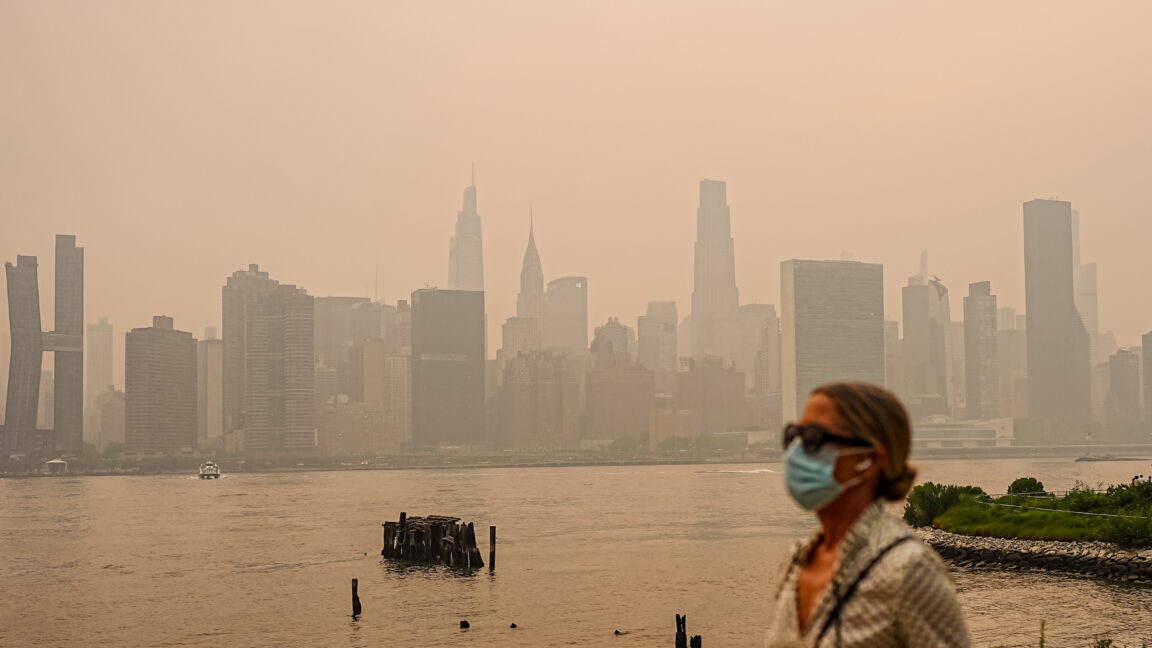
While strict regulations have successfully slashed industrial emissions, the surge in catastrophic wildfires is erasing these health gains, posing a severe risk to prenatal development.
Key Takeaways
- Industrial and vehicle emissions have dropped by nearly 80% since 1970.
- Wildfire smoke is now eclipsing the air-quality gains made by environmental laws.
- Fossil fuel combustion is driving the warmer, drier conditions that fuel intense wildfires.
In 1965, a presidential advisory panel sounded the alarm regarding pervasive chemical and carbon pollution. This led to the landmark Clean Air Act of 1970. For decades, this legislation and its subsequent amendments worked effectively, reducing combined emissions of half a dozen harmful pollutants from industrial and automotive sources by nearly 80%.
However, a disturbing trend has emerged. Mounting scientific evidence indicates that the toxic haze from wildfires is now offsetting these historical achievements. The unchecked burning of fossil fuels has created a feedback loop of warmer and drier climates, making wildfires more frequent, intense, and destructive.
Why This Matters
BozokMedia analysis shows that we are witnessing a paradigm shift in environmental risk. We have transitioned from a world of localized industrial smog to a world of regional atmospheric toxicity. For pregnant women, this means that the 'safe' air promised by 20th-century regulations is being compromised by 21st-century climate instability.
"The environmental victories of the past are being incinerated by the climate failures of the present."
The historical context is clear: the fight against pollution began with regulating the chimney and the tailpipe. But today's battle is against a warming planet. The smoke from these fires is often more concentrated and harmful than the regulated emissions of the past, creating a blanket of toxicity over entire communities.
Frequently Asked Questions
Q1: Did the Clean Air Act fail?
A: No, it succeeded in reducing human-source emissions, but it cannot regulate the natural (though human-induced) phenomenon of wildfires.
Q2: Why is wildfire smoke more dangerous than old industrial pollution?
A: Due to the sheer volume of smoke and the specific chemical composition created by high-intensity burns, it can be more acute and toxic to vulnerable populations.