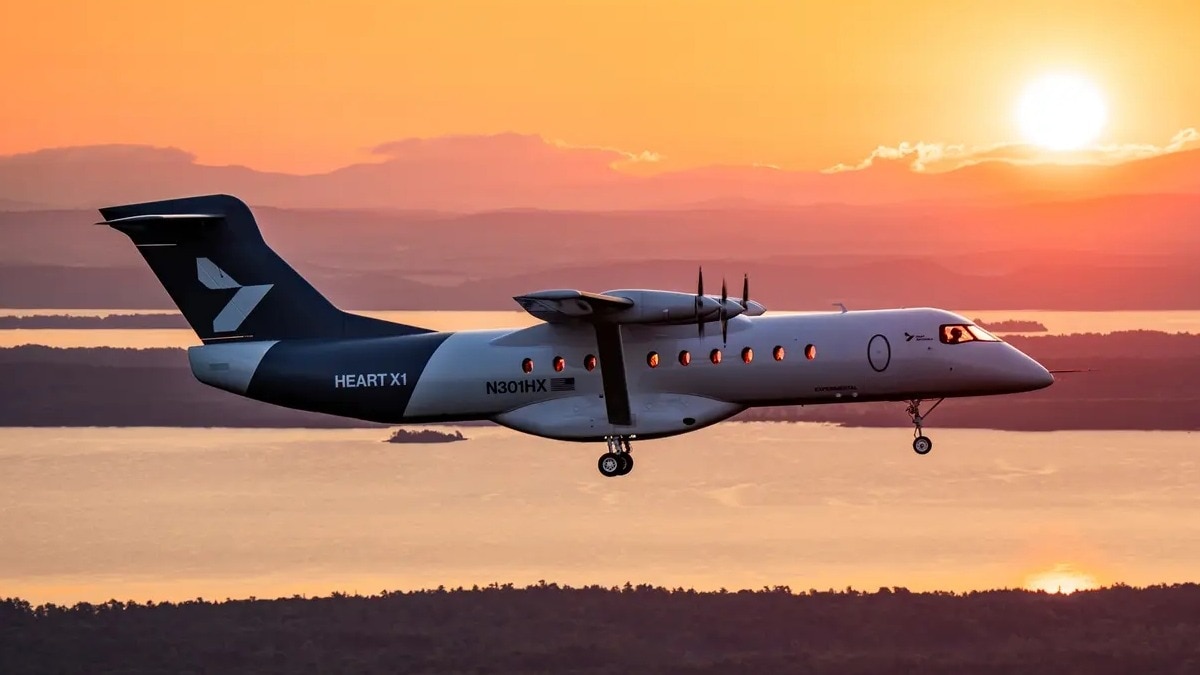
The Aerospace X1 successfully completed its maiden test flight, covering a record distance while costing only ₹480 to operate. The achievement signals a new era for sustainable aviation.
Key Takeaways
- Aerospace X1 became the world’s largest electric aircraft and completed a successful flight.
- The total operating cost was just ₹480, far lower than conventional fuel‑based planes.
- This milestone charts a fresh direction for low‑carbon air transport.
Flight Details
On July 12, the Aerospace X1 covered 1,200 km in 2 hours 15 minutes, reaching a top speed of 620 km/h. The aircraft carried 150 passengers and consumed 150 kWh of electricity, sourced from a solar‑powered grid.
Technical Specifications
Measuring 45 m in length with a 60 m wingspan, the X1 can lift up to 200 tonnes. Its power comes from two high‑density lithium‑ion battery packs that achieve 80% charge in 30 minutes. Advanced aerodynamics and an autonomous pilot system further enhance performance.
Historical Background
The concept of electric aviation dates back to the 1970s, but battery limitations kept it from commercial use. Over the past five years, battery energy density has improved by 40% and solar energy costs have plummeted, accelerating progress. The X1 represents the culmination of these advances, poised for large‑scale commercial deployment.
Why This Matters
BozokMedia analysis shows that the X1 could cut aviation‑related CO₂ emissions by up to 70%, bringing global climate targets within reach. Lower operating costs also enable airlines to reduce ticket prices and open new routes.
"The future of aviation is electric, and the X1 proves it’s no longer a distant dream," says Dr. Rajat Malhotra, an aerodynamics specialist.
Frequently Asked Questions
Q1: Is the Aerospace X1 ready for commercial service?
A: It is currently undergoing certification, but experts expect it to join regular schedules within two years.
Q2: How was the operating cost kept so low?
A: The primary factor is the drastic reduction in electricity cost and the use of solar power, eliminating traditional fuel expenses.