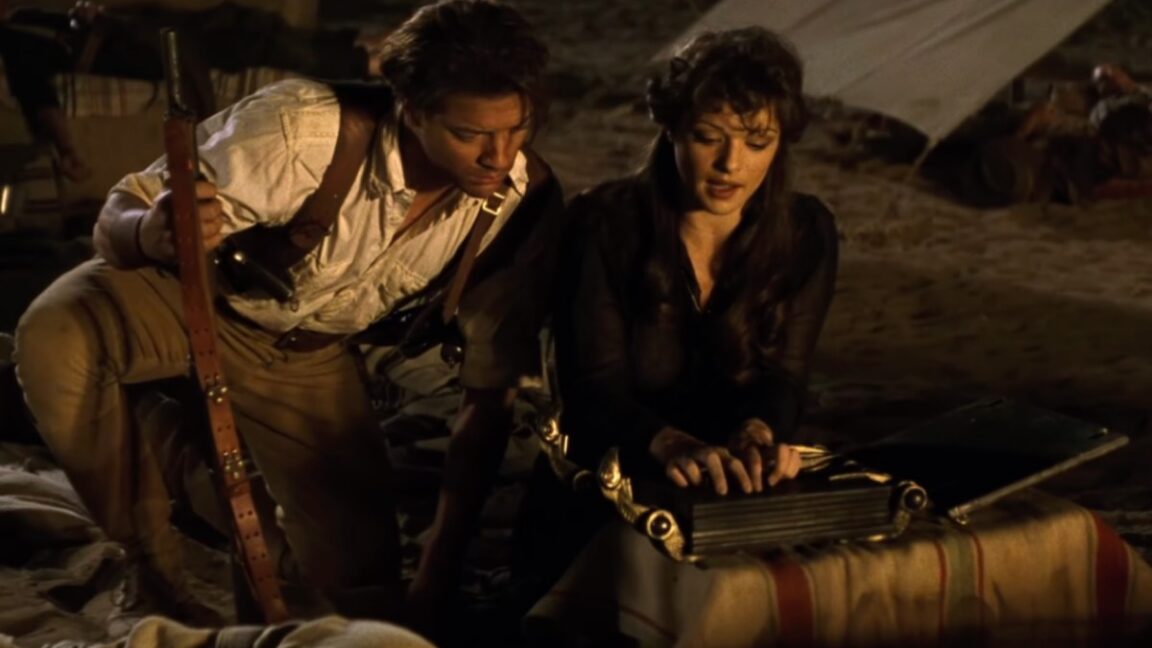
The niche market for ancient mummies often lacks safety guidance, and the chemicals used in preservation can be poisonous. Microbial spores may also thrive in poorly stored specimens, posing serious health hazards to collectors.
- Mummified remains sold online often lack safety instructions.
- Preservation chemicals like arsenic, mercury, lead are toxic.
- Improper storage can foster hazardous spores and fungi.
The market for ancient human and animal mummies has grown among niche collectors, prompting a shadowy trade that often operates outside regulation.
While legal ramifications dominate headlines, scientists warn that the health dangers are equally serious. Traditional mummification relied on heavy metals—arsenic, mercury, lead—to halt decay, leaving residues that can be poisonous on contact.
Historical Background
Documented cases date back decades. In 1962, researchers identified poisonous fungal spores in a purchased mummy that caused respiratory inflammation and fever when inhaled. A 2013 survey of the Capuchin Catacombs in Palermo revealed rampant microbial and fungal growth after years of unstable humidity.
Later, a 2012 Polish study isolated three mold species—Aspergillus, Penicillium and Stachybotrys—from human remains, coffins and air within the crypt of St. Peter and Paul’s Church in Krakow.
These organisms can lie dormant for centuries, then proliferate when mummies are stored in damp, poorly ventilated conditions, releasing toxic spores that pose inhalation risks.
Experts advise collectors to treat mummified specimens as hazardous materials: use respirators, gloves, lab coats, and store them in climate‑controlled environments.
Failure to follow such protocols not only endangers personal health but may also violate hazardous‑material transport regulations in many jurisdictions.
Why This Matters
BozokMedia analysis shows that rising online sales of exotic artifacts amplify exposure to hidden biological threats, underscoring a need for stricter consumer‑education standards.
"Without proper protective gear, handling a centuries‑old mummy can be as risky as working in a bio‑hazard lab," says Dr. Lina Patel, microbial safety specialist.
Frequently Asked Questions
Q: Are mummified remains safe to handle without protection?
A: No. Even seemingly inert specimens can release toxic spores or metal particles that are hazardous when inhaled or ingested.
Q: What precautions should collectors adopt?
A: Use certified respirators, nitrile gloves, sealed containers, and maintain low humidity storage; consult a conservation professional before acquisition.