A groundbreaking study reveals that El Nino events over the last four decades have surged in intensity, surpassing any recorded in the last 1,000 years due to the amplifying effects of global warming.
- El Nino events in the last 40 years are nearly 40% stronger than those in the pre-industrial era.
- Analysis of ancient coral cores from the Galapagos Islands provided a 1,000-year climate record.
- Global warming is 'supercharging' El Nino, leading to more extreme weather and ecological losses.
The current El Nino phenomenon shaping the Pacific is far more than a routine climate cycle. According to a recent scientific study, El Nino events over the past 40 years have become approximately 40% stronger than those seen during the pre-industrial era, marking a dangerous departure from the patterns observed over the last millennium.
To uncover this trend, researchers analyzed cores from 13 modern and ancient corals in the Galapagos Islands. Corals act as natural archives; their chemical composition preserves precise data regarding seawater temperatures over decades and centuries. The findings indicate that while previous millennia showed a consistent pattern of lower intensity, the last four to five decades have seen a sharp spike in strength.
Why This Matters
BozokMedia analysis shows that the convergence of natural oscillations and anthropogenic warming is creating a volatile climate feedback loop. When a powerful El Nino is superimposed on a planet already heating up due to greenhouse gases, the result is not additive but multiplicative, leading to unprecedented heatwaves and catastrophic flooding.
"We believe global warming is supercharging El Nino, and if that's true, then we expect stronger climate extremes that will amplify ecological, infrastructural and human losses." - Julia Cole, University of Michigan.
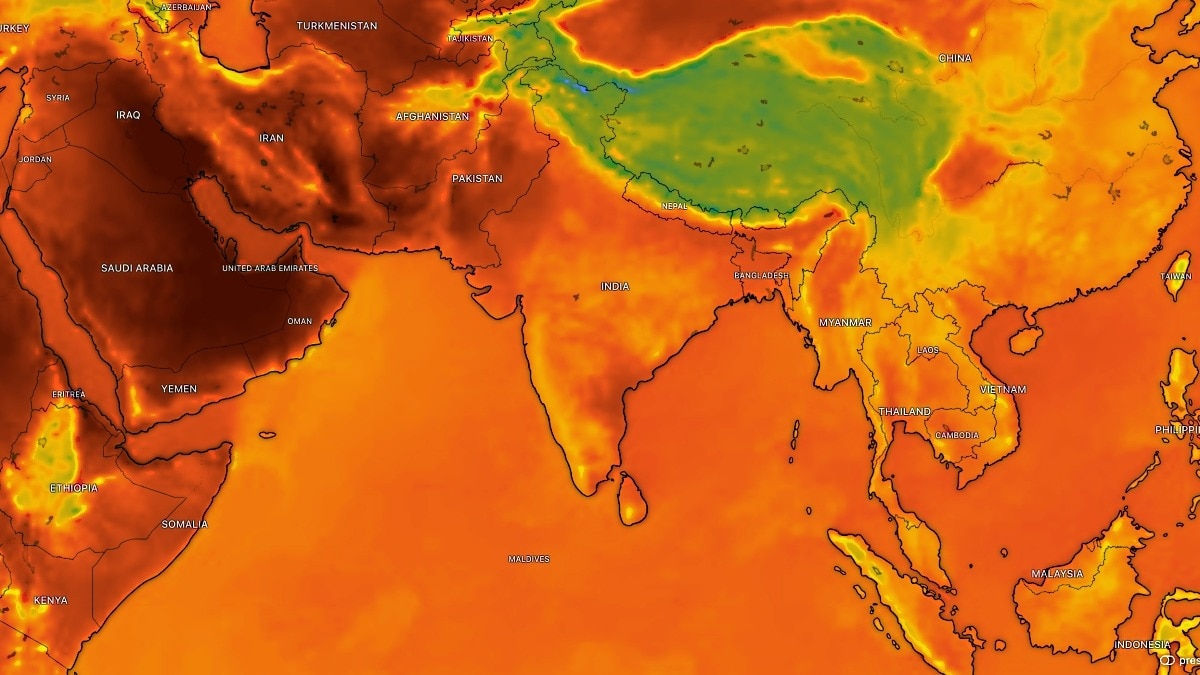
Impact on India: India remains highly vulnerable to El Nino. Historically, this phenomenon is linked to suppressed monsoon rainfall, soaring temperatures, and prolonged dry spells. The India Meteorological Department (IMD) has already confirmed the presence of El Nino, which has contributed to June rainfall ending nearly 40% below normal, threatening agricultural stability.
The study warns that the most aggressive forecasts, such as those from Italy's CMCC model, suggest extreme temperature anomalies. The overarching concern is that these events are now occurring on a warmer planet, potentially pushing global temperatures to 1.7-1.8°C above pre-industrial levels.
Frequently Asked Questions
Q1: How does El Nino affect global weather patterns?
A: It shifts winds and rainfall across the globe, often causing severe droughts in some regions (like Australia and India) and heavy flooding in others (like the Southern US).
Q2: Why are coral reefs used to study ancient climates?
A: Corals build calcium carbonate skeletons that trap chemical signatures of the ocean's temperature, allowing scientists to reconstruct climate history over thousands of years.