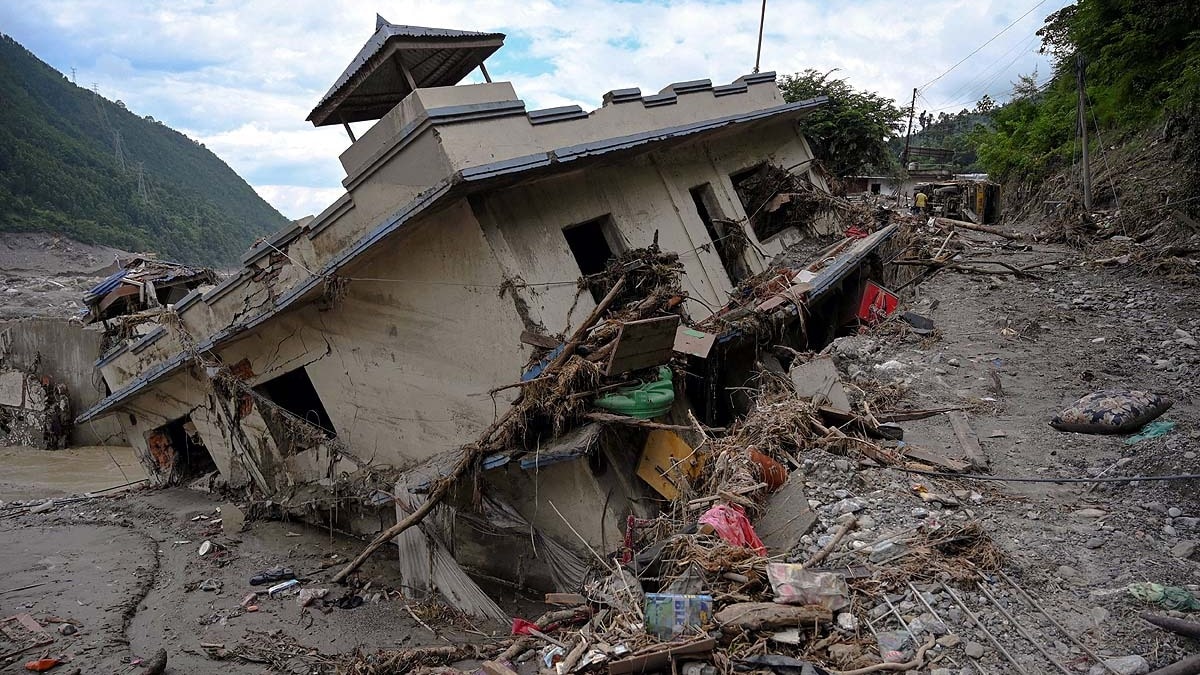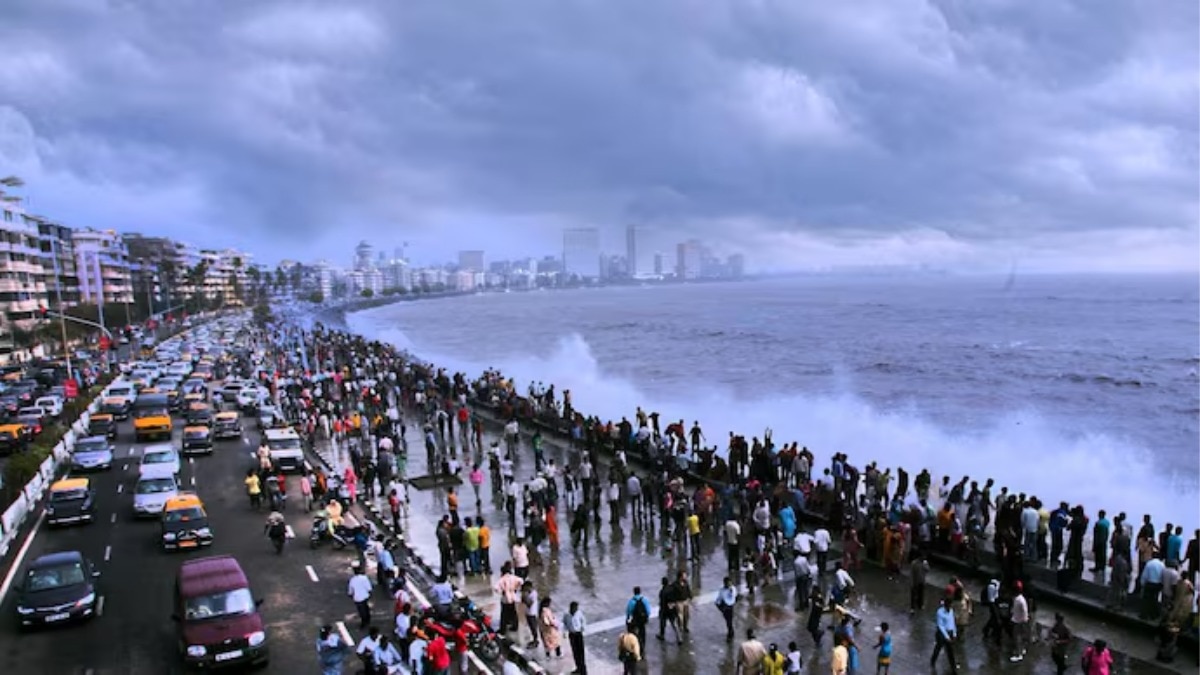
A devastating United Nations report reveals that rising sea levels are threatening to displace over 14 million people in South Asia, with Mumbai and Kolkata at the epicenter of the crisis.
- Global sea levels rose by a record 5.9 mm in 2024.
- Over 14 million people in South Asian deltas face immediate displacement risk.
- Mumbai, Kolkata, and Dhaka are identified as high-risk urban zones.
- Rising salinity is threatening freshwater supplies and agriculture.
A landmark report by the United Nations has sounded the alarm on a looming humanitarian catastrophe, stating that millions of residents in Kolkata and Mumbai are at immediate risk of losing their homes to permanent inundation. The report, titled 'Challenges related to sea level rise and ways and approaches to address it', highlights that rising seas are no longer a distant projection but a rapidly accelerating reality.
The data reveals a terrifying trend: global sea levels rose by 5.9 mm in 2024, a record-breaking increase driven by exceptional ocean warming. This acceleration is primarily attributed to the melting of glaciers and the thermal expansion of warming oceans caused by human-induced global warming.
Why This Matters
BozokMedia analysis shows that the impact of sea-level rise is bifurcated by economic status. While wealthy coastal hubs like New York and Miami face astronomical financial risks—estimated between USD 2 trillion and USD 3.5 trillion—the crisis in South Asia is fundamentally a human rights issue. In the low-lying deltas of India and Bangladesh, the defining impact is the mass displacement of vulnerable populations.
Sea level rise is acting as a 'threat multiplier,' compounding existing vulnerabilities in infrastructure, public health, and economic stability.
Beyond the loss of land, the report warns of a secondary crisis: salinisation. As seawater encroaches further inland, it contaminates freshwater aquifers and wells, jeopardizing drinking water supplies, irrigation, and local ecosystems. This creates a domino effect that threatens food security and public health through increased water-borne diseases.
Historical Background
For decades, climate scientists have warned of rising oceans, but the pace has shifted from linear to exponential. Between 2014 and 2023, the average rise was 4.7 mm per year. However, the jump to 5.9 mm in 2024 signals that the climate system has reached a critical tipping point, with warming already 'locked in' for the coming decades through 2050.
Frequently Asked Questions
1. Why is the sea level rising so fast now?
The acceleration is due to unprecedented ocean warming and the rapid melting of polar ice sheets.
2. How will this affect daily life in coastal cities?
It will lead to increased flooding, loss of infrastructure, contaminated drinking water, and eventual forced migration.