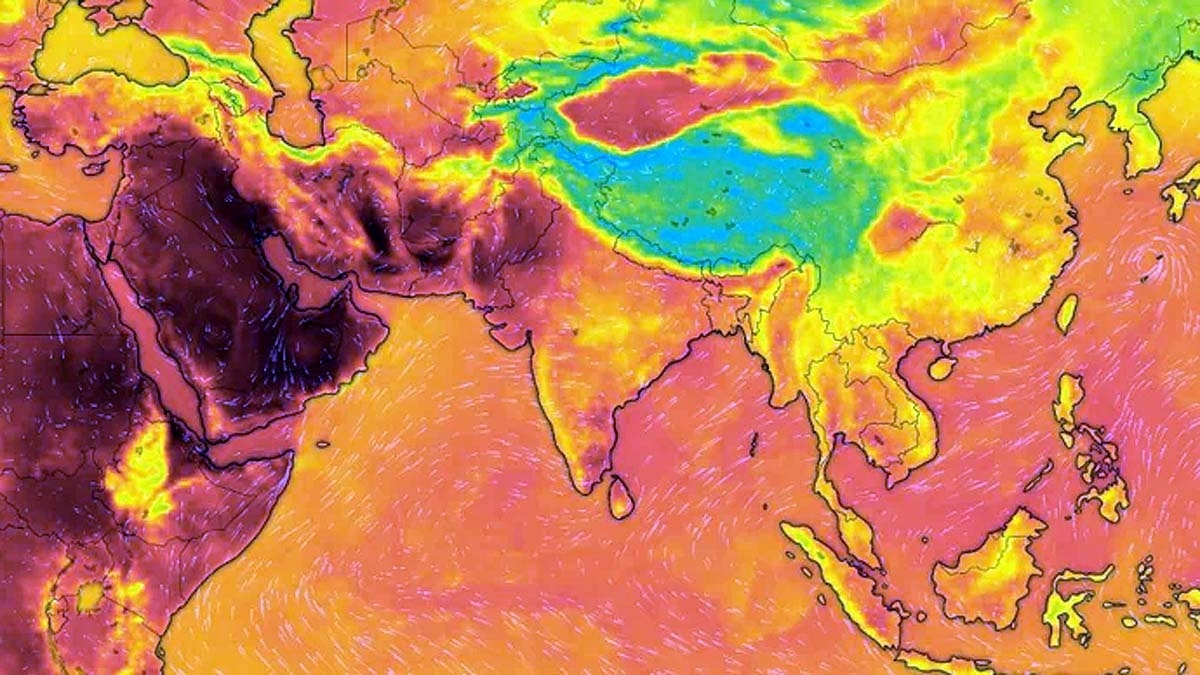
The World Meteorological Organisation (WMO) warns that a strengthening El Nino event could persist into 2027, triggering extreme heat, droughts, and intense storms globally.
- El Nino has a nearly 100% likelihood of persisting through February 2027.
- The event is expected to intensify into a 'very strong' phenomenon.
- Global temperatures are predicted to hit new records in the coming years.
- India faces significant risks regarding monsoon patterns and water security.
If 2026 has already felt like a year of unprecedented weather extremes, the outlook for 2027 offers little comfort to the global community. The World Meteorological Organisation (WMO) has issued a stark warning: the El Nino event in the tropical Pacific is expected to strengthen and remain active all the way through February 2027. This is one of the most unequivocal forecasts ever released by the agency.
El Nino is a natural climate pattern characterized by unusually warm ocean waters in the central and eastern tropical Pacific. This warming shifts atmospheric circulation, altering rainfall and temperature patterns thousands of kilometers away. As the planet grapples with exceptionally warm oceans due to broader climate change, the intensification of El Nino acts as a dangerous catalyst, magnifying existing environmental stresses.
Why This Matters
BozokMedia analysis shows that we are entering a period of 'compounded climate risk.' It is not just about one single event; it is about the collision of a warming planet with a powerful El Nino cycle. This synergy increases the probability of multi-hazard years where heatwaves, droughts, and catastrophic flooding occur simultaneously across different continents.
The intensification of El Nino into a very strong event suggests that 2027 could potentially become the hottest year on record, surpassing 2024.
Beyond temperature spikes, the threat of extreme storm activity is rising. With El Nino-driven rising air, more powerful hurricanes and typhoons are expected to brew across the Pacific. Similarly, in the Atlantic, the risk of severe storms could escalate as they tap into unprecedented ocean warmth. The WMO estimates an 86% chance that at least one year between 2026 and 2030 will break the current global temperature record.
Historical Context: The El Nino Cycle
Historically, El Nino cycles have played a pivotal role in global weather disruption. While they occur naturally, the increasing baseline temperature of the oceans means that each subsequent El Nino event has the potential to be more destructive than the last. This cycle often alternates with La Nina, but the current trajectory suggests a prolonged period of instability.
Impact on India: Monsoon and Agriculture
For India, the implications are particularly concerning regarding the Southwest Monsoon. Historically, El Nino has been closely linked to weaker monsoon rainfall. With India's 2026 monsoon already struggling—with August ending in a 16% rainfall deficit—the persistence of El Nino into early 2027 could exacerbate water scarcity, threaten food security, and prolong heatwave conditions across the subcontinent.
Frequently Asked Questions
1. Will El Nino cause global warming?
El Nino itself is a natural cycle, but it temporarily boosts global temperatures, making the overall trend of global warming even more visible and intense.
2. How does El Nino affect rainfall in India?
It typically disrupts the moisture-laden winds of the monsoon, often leading to below-average rainfall and drought-like conditions in many parts of the country.


