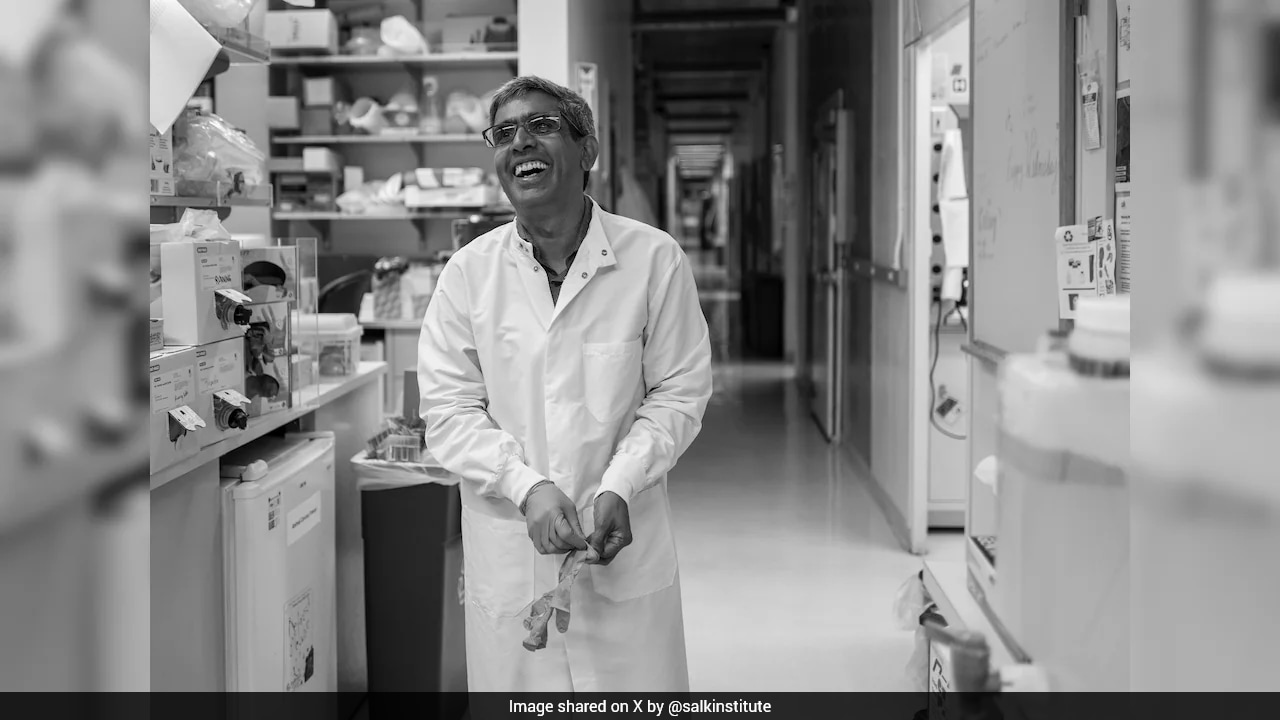
Akilesh Chandrasekaran, a class‑12 student from Sivakasi Nadar Matriculation Higher Secondary School, has proved that cultured bacteria can generate electricity on a Mars‑like regolith analogue. His experiment, selected for NASA’s Cubes in Space™ 2026 programme, could pave the way for sustainable power solutions on future Martian missions.
Key Takeaways
- Akilesh demonstrated electricity generation using bacteria on a Mars regolith analogue.
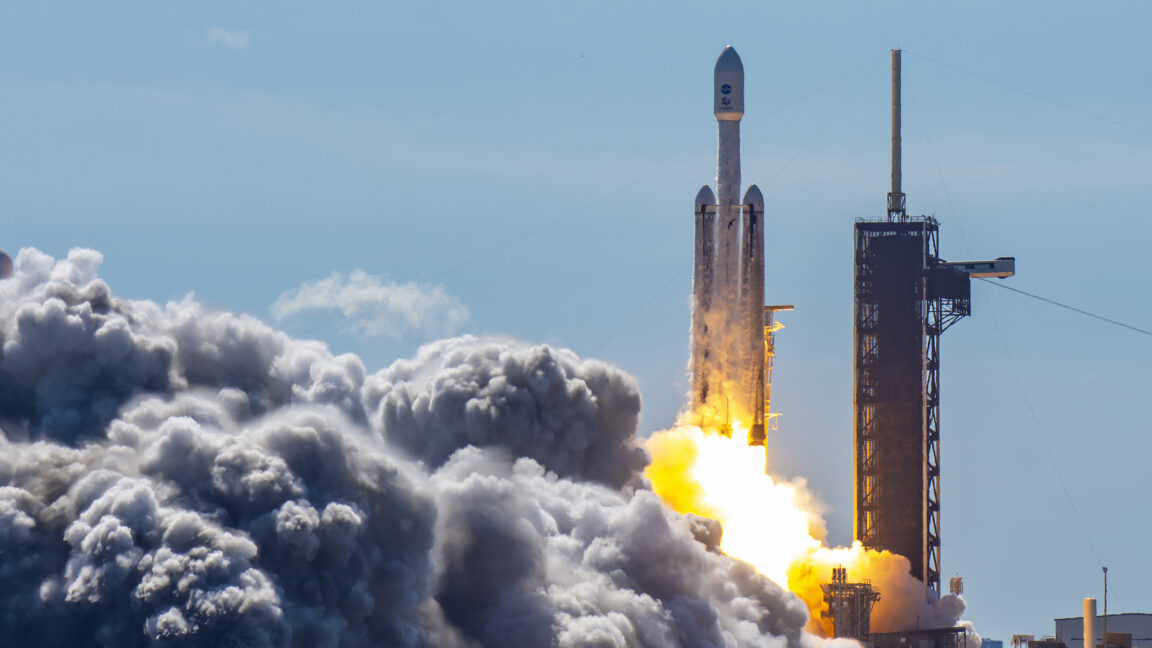
- A 4 cm cube containing his experiment will be launched to Mars under NASA’s Cubes in Space™ 2026 programme.
- The results could provide a dual‑purpose waste‑treatment and power‑generation system for crewed Mars missions.
Akilesh Chandrasekaran, a Class 12 student at Sivakasi Nadar Matriculation Higher Secondary School in Madurai, has achieved a breakthrough by generating electricity from a Martian regolith analogue using the exoelectrogenic bacterium Shewanella oneidensis MR‑1. His module, a compact 4 cm cube, has been selected for the prestigious Cubes in Space™ 2026 programme and is slated for launch on 21 August, heading straight for the Red Planet.
Early Curiosity and Inspiration
When he was in fifth grade, Akilesh asked himself, “What is there in deep space?” This question sparked a lifelong fascination with science. His parents nurtured this curiosity by gifting him science‑fiction books, and during the COVID‑19 lockdown he attended satellite webinars that deepened his interest. He cites former President Dr. A. P. J. Abdul Kalam as his role model, crediting Kalam’s lunar water discovery for inspiring his own space‑related pursuits.
The Cubes in Space™ 2026 Programme
The programme, organized by iEDU Inc. and supported by NASA’s Wallops Flight Facility and the Columbia Scientific Balloon Facility, invites student teams worldwide to design 4‑centimeter cubes that will travel to space. Akilesh’s cube will carry a Martian dust‑storm‑resilient experiment that tests bio‑electric generation under conditions that mimic the Martian surface.
Scientific Principle and Experiment Design
Each astronaut on a Mars mission generates roughly 4.5 liters of waste water per day. Akilesh proposes treating this waste with Shewanella oneidensis MR‑1, a gram‑negative exoelectrogen that can both clean the water and release electrons, thereby producing electricity. This dual‑purpose system could address the chronic power shortages caused by dust storms that cripple solar‑powered missions.
Implications for Future Missions
The data retrieved from the cube will be shared with researchers at NASA and ISRO, informing the design of crewed habitats that rely on in‑situ resource utilization. School secretary Senthil Kumar hailed the achievement as a “proud moment for the country,” emphasizing that it will motivate other students to aim for scientific excellence.