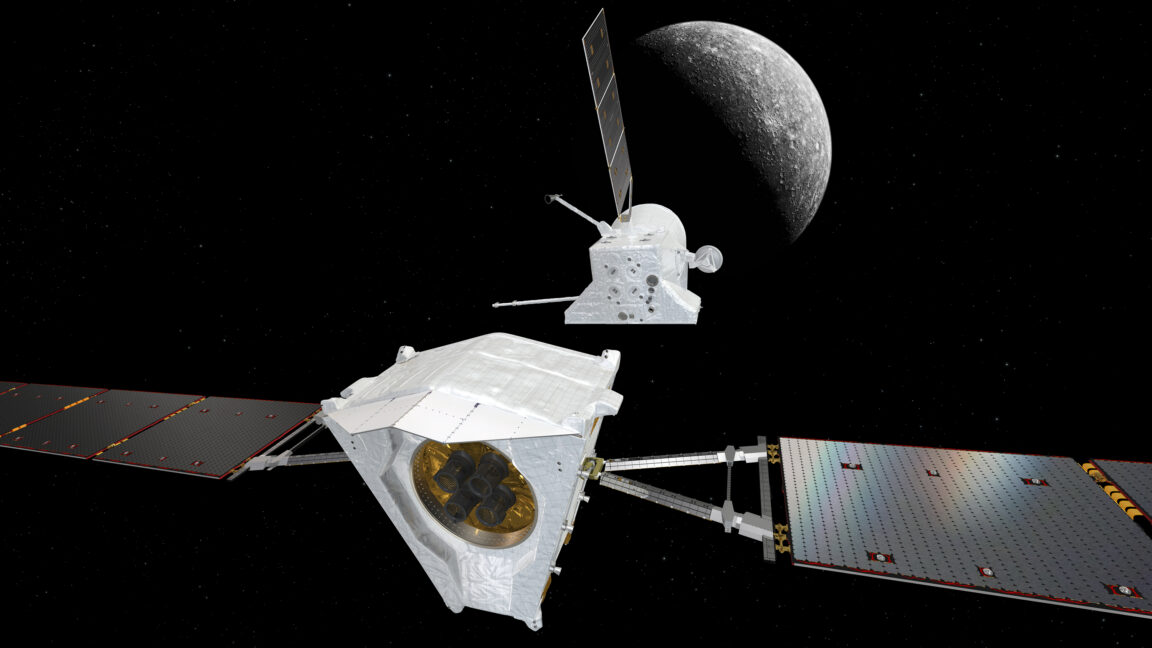
Katalyst’s Link vehicle approached NASA’s Swift Observatory to within 15 km, but a fuel shortage forced the rescue attempt to be aborted. The close flyby still delivered valuable data for future satellite‑servicing missions.
- Katalyst’s Link reached within 15 km of Swift
- Fuel ran out, forcing the mission to be terminated
- Collected data will inform future servicing missions
Katalyst Space Technologies’s Link spacecraft managed a daring approach to NASA’s Swift Observatory on September 4, 2026, coming within 15 km of the aging telescope. Although the rescue was officially cancelled in August, the close pass yielded fresh imagery and sensor readings for NASA.
The mission faltered after Link entered an uncontrollable spin shortly after its July launch. Flight controllers stabilized the vehicle, but the maneuver consumed a large portion of the limited propellant, leaving insufficient fuel to boost Swift into a higher, longer‑lasting orbit.
CEO Ghonhee Lee told the Associated Press, “We got so close, but so far,” attributing the shortfall to the rushed nine‑month development schedule, which forced engineers to use whatever parts were on hand rather than waiting for optimal components.
NASA paid Katalyst $30 million for the experiment, viewing it as a risk‑managed test rather than a full‑scale rescue. Administrator Jared Isaacman remarked, “Unfortunately, it wasn’t the outcome we were expecting. But that’s exactly the type of missions we should be flying at NASA.” He added that extending the life of a valuable spacecraft can be more cost‑effective than building a replacement, noting that the Roman Space Telescope was designed for refueling even at a million‑mile distance.
Swift, launched in 2004, still has limited orbital life left, heavily influenced by solar activity. NASA now expects the telescope to re‑enter Earth’s atmosphere between October and year‑end, after a brief resumption of observations last week. Katalyst is also developing next‑generation servicers that could lift the 36‑year‑old Hubble Telescope into a more sustainable orbit.
Why This Matters
BozokMedia analysis shows that mastering on‑orbit servicing could dramatically reduce costs for scientific missions and keep legacy assets operational far beyond their original design lives.
“Fuel efficiency will be the linchpin of every future on‑orbit servicing mission,” Lee emphasized.
Frequently Asked Questions
Q1: Will Link attempt another close approach to Swift?
A: Current fuel reserves make a second pass unlikely; however, the spacecraft will continue to exercise its robotic arms and collect useful data before deorbiting.
Q2: How will future missions avoid the same fuel‑shortage issue?
A: Improved propulsion efficiency, longer pre‑flight testing, and higher‑grade components are planned to ensure enough propellant for complete mission objectives.