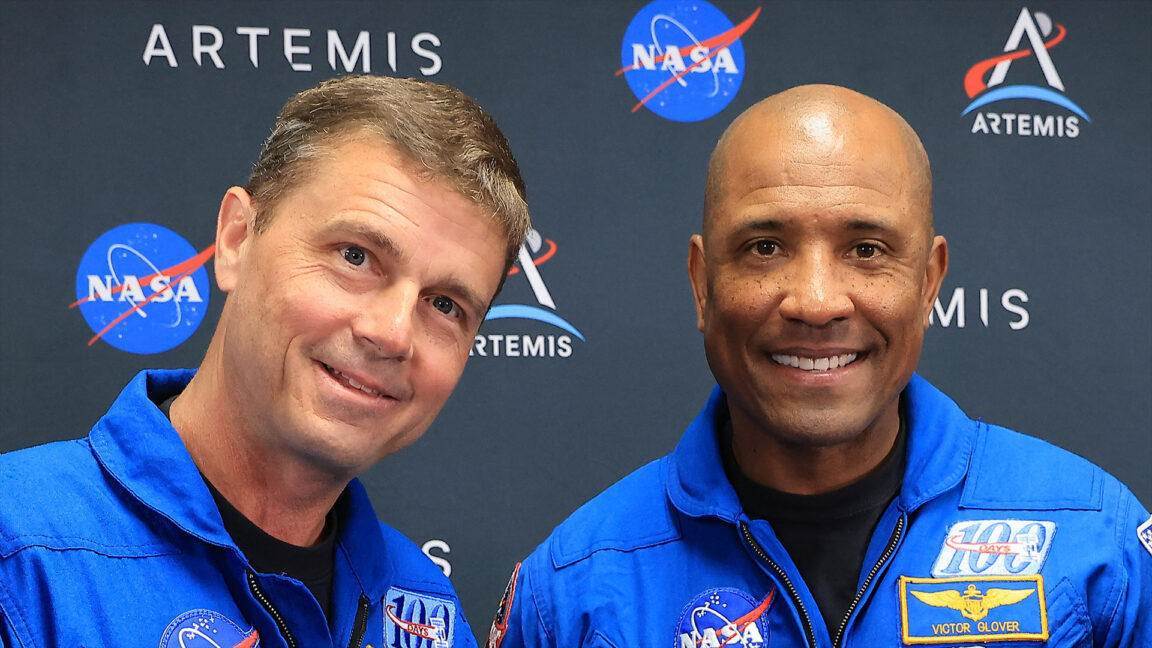
Reid Wiseman and Victor Glover have become the first individuals to enter NASA's newly established emeritus program, blending retirement with continued mentorship. This move allows the Artemis II veterans to support the agency while pursuing external opportunities.
- Reid Wiseman and Victor Glover are the first astronauts to be granted 'emeritus' status.
- The program allows veteran astronauts to mentor current staff while working outside NASA.
- This model is adapted from academic traditions used for groundbreaking scientists.
In a historic shift in personnel management, NASA has officially designated the commander and pilot of the Artemis II mission, Reid Wiseman and Victor Glover, as the agency's first-ever astronaut emeriti. This distinction comes five months after their pivotal contributions to the lunar exploration framework, signaling a new era in how the space agency retains institutional knowledge.
The emeritus program is designed to bridge the gap between full-time active duty and complete retirement. By transitioning to this status, Wiseman and Glover will continue to provide critical support at the Johnson Space Center in Houston, Texas. Their role will primarily focus on training and mentoring the next generation of explorers, ensuring that the hard-won lessons of the Artemis missions are passed down systematically.
Why This Matters
BozokMedia analysis shows that as NASA pushes toward the permanent establishment of the Lunar Gateway and eventual Mars missions, the loss of experienced flight crews to traditional retirement represents a significant risk. By creating an 'emeritus' track, NASA is effectively creating a strategic reserve of expertise. This allows the agency to maintain a connection with its most experienced pilots without the bureaucratic constraints of full-time employment.
The transition to emeritus status transforms the concept of retirement from an exit strategy into a strategic partnership for planetary exploration.
Victor Glover noted that the term 'retirement' often carries a connotation of complete cessation of work. He explained that the emeritus model is borrowed from academia, where distinguished scientists return to universities to teach and publish while remaining affiliated with their primary research institutions. This flexibility allows these astronauts to pursue private sector opportunities or academic research while remaining 'on call' for NASA's mission success.
Historical Background
The Artemis program represents humanity's return to the Moon, building upon the legacy of the Apollo missions of the 1960s and 70s. While Apollo astronauts often moved into politics or private industry upon retirement, the complexity of modern deep-space exploration requires a more nuanced transition. The Artemis II crew's transition marks the first time NASA has formalized this 'semi-retired' mentorship role for its astronaut corps.
Frequently Asked Questions
What is the difference between retirement and emeritus status at NASA?
Retirement is a complete separation from the agency, whereas emeritus status allows astronauts to maintain a formal relationship with NASA for mentoring and training purposes while working externally.
Where will Wiseman and Glover be based?
They will continue to support operations primarily at the Johnson Space Center in Houston.