Scientists have discovered that treating human waste to create 'biochar' can significantly enhance the structural integrity of concrete. This innovation could potentially reduce the construction industry's reliance on carbon-heavy cement.
- Biochar produced from treated human waste increased concrete's flexural strength by up to 42%.
- A 10% biochar replacement of cement proved most effective, boosting compressive strength by 21%.
- The process promotes a circular economy by converting waste into a high-value construction resource.
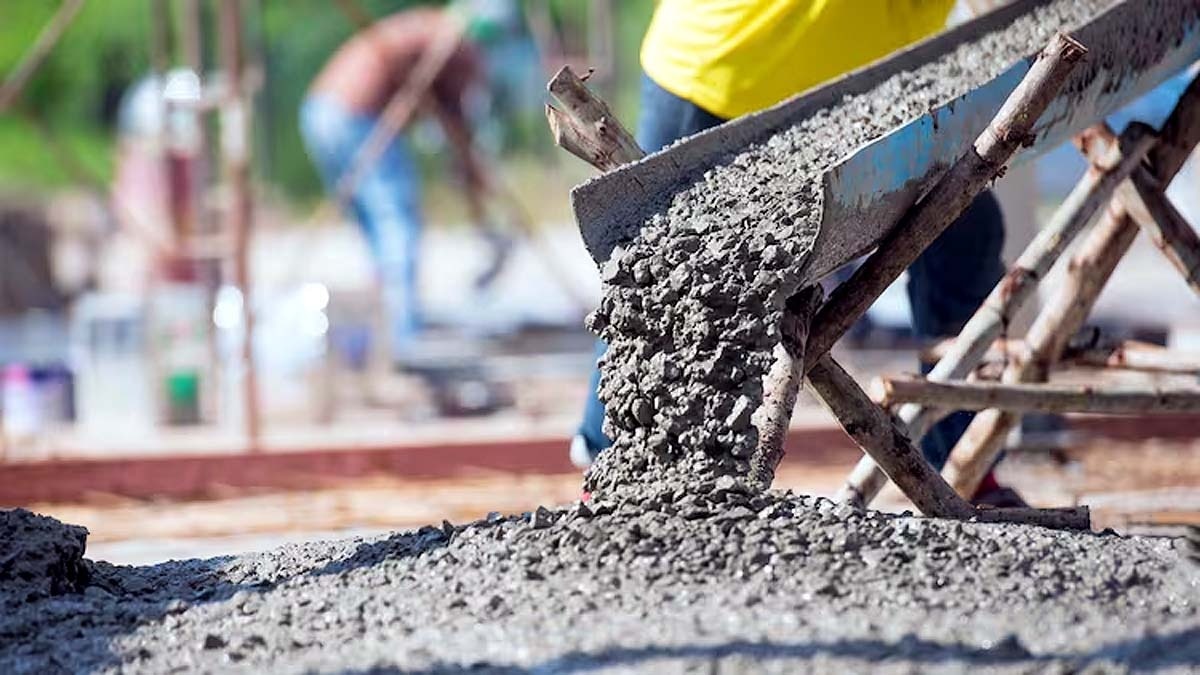
What is typically flushed away as waste is now being viewed as a potential building block for the cities of tomorrow. In a groundbreaking study, researchers have revealed that biochar—a carbon-rich material produced from treated human waste from septic tanks and sanitation systems—can be used as a partial replacement for cement to create significantly stronger concrete.
It is crucial to note that raw waste was not added to the mixture. Instead, the waste underwent a rigorous thermal treatment process to transform it into biochar. Scientists then integrated varying percentages of this material (5%, 10%, and 15%) into the concrete mix to analyze its impact on compressive strength, water absorption, and long-term shrinkage.
The 10% Threshold: Optimal Results
The research indicated that a 10% biochar concentration yielded the most impressive results. After a curing period of 91 days, the 'flexural strength'—the ability of the concrete to resist deformation under load—surged by 42%. Additionally, the 'compressive strength' increased by 21%, meaning the concrete could withstand significantly higher pressure without failing.
BozokMedia analysis shows that this development addresses two global crises simultaneously: waste management and industrial carbon emissions. The production of traditional cement is one of the leading causes of global CO2 emissions. By substituting a portion of cement with biochar, the construction industry can drastically lower its carbon footprint while enhancing the durability of infrastructure.
"The integration of biochar not only reinforces the structural matrix of concrete but also acts as a filter to reduce the leaching of heavy metals into the environment."
Further analysis showed that as the biochar content increased, the concentration of heavy metals within the concrete samples decreased. This suggests that biochar may help sequester harmful elements, making the resulting building material more environmentally friendly, although further longitudinal studies are required for full validation.
| Biochar Content | Compressive Strength | Flexural Strength |
|---|---|---|
| 0% (Standard) | Baseline | Baseline |
| 10% Biochar | +21% Increase | +42% Increase |
| 15% Biochar | Stable/Normal | Moderate Increase |
Frequently Asked Questions
Q1: Is raw sewage mixed into the concrete?
No. The waste is first thermally treated and converted into a stable, carbon-rich material called biochar before being added to the cement mix.
Q2: Can this be used in residential buildings immediately?
Currently, this is a laboratory-scale success. Extensive real-world testing and regulatory approvals are needed before it can be implemented in large-scale urban construction.