Rising temperatures in Siberia are triggering a dangerous release of methane through melting permafrost and raging wildfires. New research reveals a steady 5% annual increase in emissions, threatening global climate stability.
- Methane emissions from Siberia increased by approximately 5% annually between 2010 and 2023.
- Western Siberia is facing permafrost thaw due to moisture, while Eastern Siberia suffers from severe wildfires.
- A total increase of 13.2 million tonnes of methane has been recorded over 13 years.
The Arctic is warming at a rate far exceeding the global average, and Siberia is now the epicenter of a looming environmental catastrophe. Recent scientific investigations highlight a divergence in how heat is impacting the region: while Western Siberia is becoming warmer and more humid, Eastern Siberia is experiencing extreme aridification. Both phenomena, however, lead to the same terrifying result—the massive release of methane into the atmosphere.
The Permafrost Time Bomb
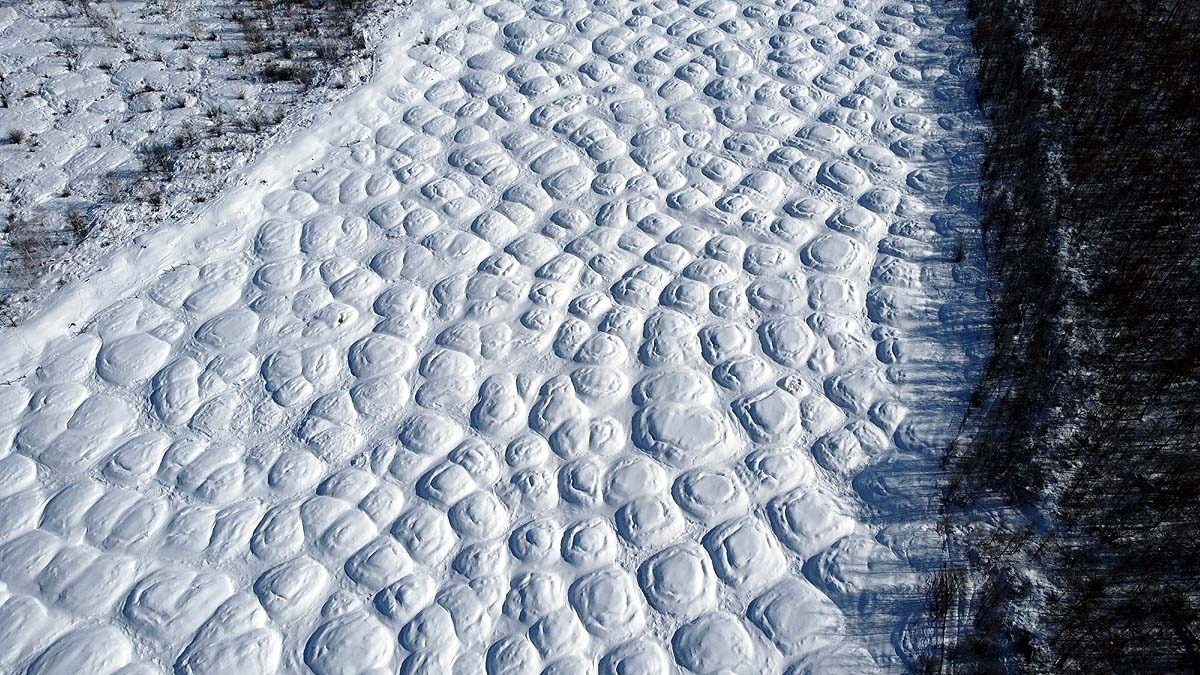
Permafrost is ground that remains frozen for two or more consecutive years. Siberia holds roughly 46% of the Northern Hemisphere's permafrost. For millennia, this frozen soil has acted as a giant carbon sink. As the planet warms, this ground thaws, allowing microbes to decompose ancient organic matter, which subsequently releases methane—a potent greenhouse gas.
Why This Matters
BozokMedia analysis shows that we are witnessing a 'Climate Feedback Loop.' Methane released from the thawing ground accelerates global warming, which in turn causes more permafrost to melt. This self-reinforcing cycle could lead to an abrupt and irreversible jump in global temperatures, bypassing human efforts to reduce industrial emissions.
"The acceleration of methane release in Siberia represents one of the most critical tipping points in the Earth's climate system."
Eastern Siberia: A Landscape in Flames
Unlike the humid thaw of the west, Eastern Siberia is grappling with severe drought. This dryness has turned vast boreal forests into tinderboxes. When these forests burn, they release not only stored carbon dioxide but also methane trapped in the soil. The combination of thawing ground in the west and incinerating forests in the east is turning Siberia into a global methane hotspot.
| Region | Primary Driver | Environmental Impact |
|---|---|---|
| Western Siberia | Heat & High Humidity | Permafrost Thawing |
| Eastern Siberia | Severe Drought | Intense Wildfires |
Historical Context and Data Trends
Between 2010 and 2023, researchers utilized satellite imagery and ground-level measurements to track emissions. The findings are stark: a 5% annual increase in methane output, totaling an additional 13.2 million tonnes. Computer models suggest that if current warming trends persist, these emissions will spike exponentially, further destabilizing the global climate.
Frequently Asked Questions
Q1: Why is methane more concerning than carbon dioxide?
Answer: While methane stays in the atmosphere for a shorter time, its ability to trap heat is significantly higher than that of CO2 over a 20-year period.
Q2: Can the permafrost be refrozen?
Answer: Once permafrost thaws on a large scale, it is nearly impossible to refreeze naturally as long as global atmospheric temperatures continue to rise.