The 2026 World Cup semi‑final in Atlanta revives a rivalry that began with Maradona’s infamous Hand of God and the Falklands War, turning a football match into a historic showdown. Tactical contrasts, political baggage and fan animosity ensure the encounter is far more than a game.
मुख्य बिंदु (Key Takeaways)
- The 1986 Hand of God goal and the Falklands War cemented a deep‑seated football animosity.
- Incidents in 1966, 1998 and 2002 have repeatedly turned the fixture into a flashpoint.
- Argentina’s criollo flair versus England’s disciplined structure will define the 2026 semi‑final drama.
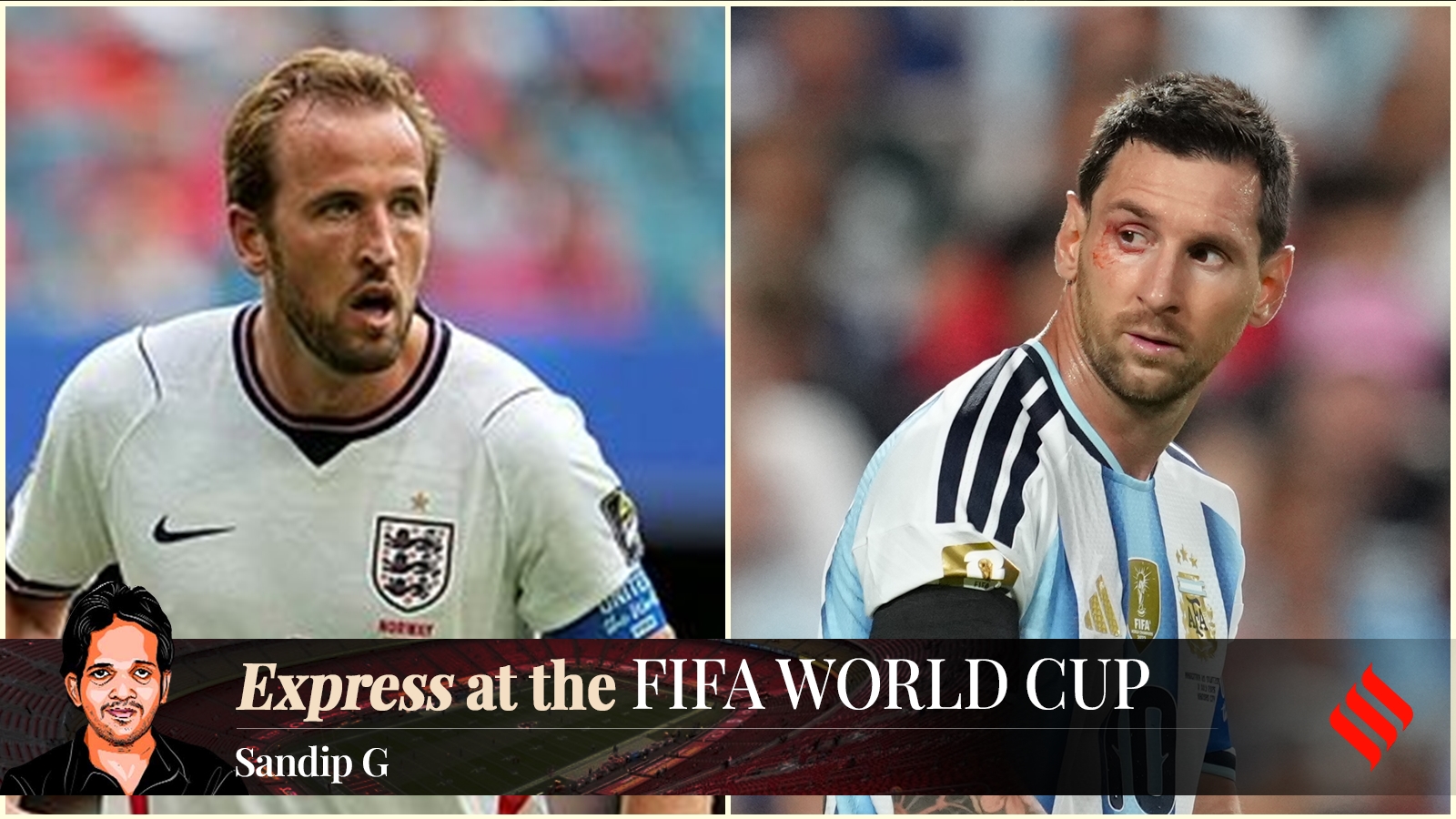
On July 13, 2026, Atlanta will host a World Cup semi‑final that pits England against Argentina – the first meeting of these two powers on football’s biggest stage in 24 years. Led by Harry Kane, England dispatched Norway, while Lionel Messi’s Argentina overcame Switzerland, setting the stage for a clash that intertwines sport, politics and national pride.
Historical Roots: Hand of God and the Falklands Conflict
Diego Maradona’s notorious “Hand of God” goal against England in the 1986 Mexico City quarter‑final remains a scar on the English psyche. In his autobiography, Maradona admitted preferring the hand‑scored goal because “it felt like stealing an English wallet.” The incident occurred just four years after the Falklands (Malvinas) War, a conflict that left deep wounds on both societies. Maradona later called the victory “revenge” for the Argentine boys killed in that war, turning a football triumph into a symbolic act of retaliation.
Blood‑Stained Encounters Over the Decades
The rivalry’s volatility surfaced early. In the 1966 World Cup quarter‑final, Argentine captain Antonio Rattín received two red cards within minutes, pulled the referee’s shirt and threatened to punch him. The tunnel after the match erupted into a brawl, police intervened, and a player even urinated in the corridor. In 1998, David Beckham earned a red card for a foul on Diego Simeone, and in 2002 Beckham’s solitary goal secured England’s last global‑stage victory over Argentina – a match that has not been repeated since.
Clash of Football Philosophies
Argentina’s football identity is built on the “criollo” style – a blend of individual brilliance, flair and improvisation. By contrast, England’s game is rooted in disciplined, regimented tactics introduced by the sport’s early British pioneers. Juan Perón’s 1946 proclamation, “We have nationalised football,” turned the sport into a vehicle for Argentine nationalism. Managers like Carlos Bilardo added a pragmatic, physical edge, while English pundits have often dismissed Argentine players as “soft‑hearted.” This philosophical divide fuels on‑field tension every time the teams meet.
Implications for the 2026 Semi‑Final
If England halts Messi’s march, it will not only secure a place in the final but also deliver a symbolic revenge for the 1986 hand‑ball episode. Conversely, an Argentine victory would echo the Falklands‑war‑era sentiment, reigniting national pride among a new generation of fans. Recent fan clashes – such as the brawl during the Norway‑England quarter‑final in Miami – illustrate that the rivalry’s social impact extends far beyond the pitch, influencing stadium security, media narratives and diplomatic tone.