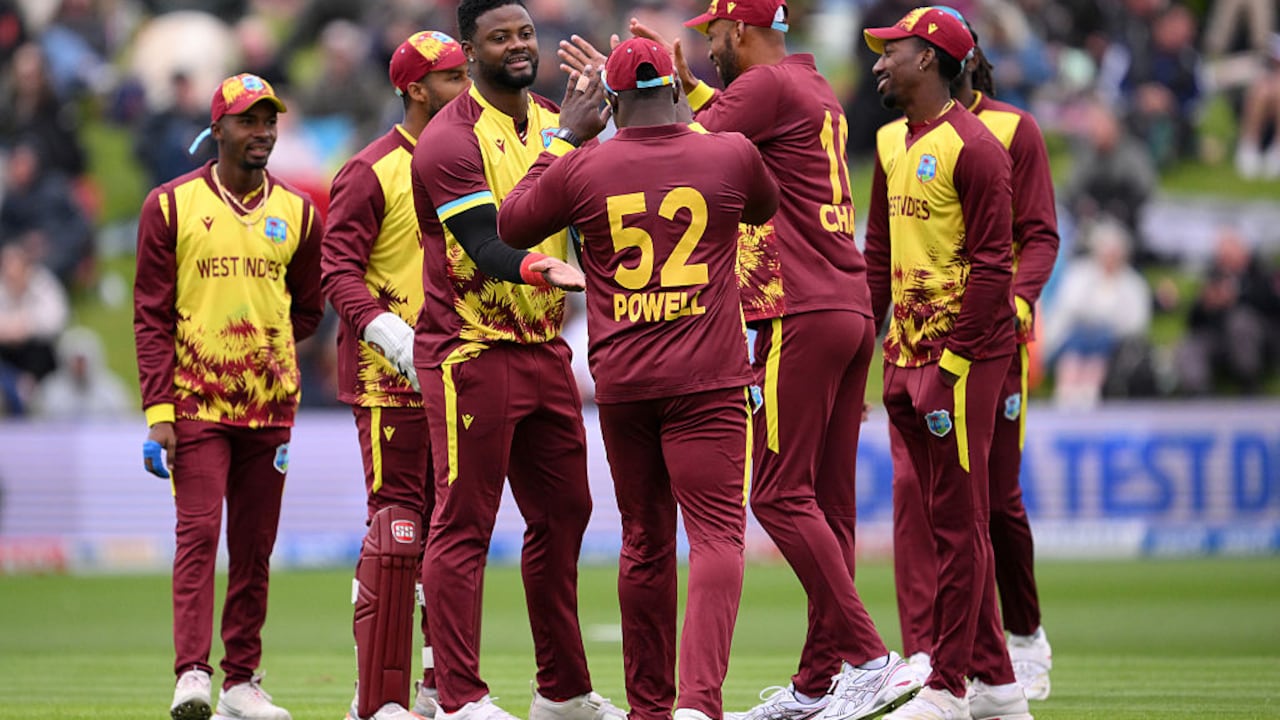
The International Cricket Council (ICC) has approved an emergency loan of US$12.82 million (≈ ₹123 crore) for Cricket West Indies (CWI). The move is designed to alleviate the board’s deep financial woes and keep its international schedule intact.
मुख्य बिंदु (Key Takeaways)
- ICC provides a US$12.82 million (≈ ₹123 crore) emergency loan to CWI.
- Funding targets salary payments, infrastructure upkeep, and talent development.
- The assistance aims to preserve West Indies' participation in upcoming international fixtures.
Cricket West Indies (CWI) has been grappling with a severe cash crunch for several years. Declining revenues, renegotiated touring rights, and administrative turbulence pushed the board into a deep deficit, jeopardising player salaries, domestic leagues, grassroots programmes, and even its ability to fulfil international commitments.
ICC’s Intervention
Recognising the systemic risk to global cricket, the International Cricket Council stepped in with an emergency support package. The package consists of a US$12.82 million loan—roughly ₹123.46 crore—offered at a concessional interest rate and structured with clear repayment timelines to ensure immediate liquidity for CWI.
Intended Use of Funds
The ICC has stipulated that the loan be channelled primarily into three areas: (i) payment of outstanding player and staff wages, (ii) maintenance and upgrade of existing facilities such as stadiums and training centres, and (iii) continuation of youth development initiatives that are critical for the region’s talent pipeline. By addressing these core needs, the board hopes to minimise disruption to its forthcoming Test, ODI and T20 series.
Broader Implications and Future Outlook
Beyond the immediate cash infusion, the move signals a renewed commitment by the ICC to safeguard the financial health of its member boards, especially those in smaller markets. Analysts argue that if CWI manages the funds prudently, it could emerge with a more sustainable fiscal model, revitalising Caribbean cricket on the world stage. Moreover, the precedent set by this assistance may encourage other vulnerable cricketing nations to seek similar support without fearing stigma.
Conclusion
The ICC’s swift financial lifeline underscores the importance of collective responsibility in the sport’s ecosystem. The onus now lies with Cricket West Indies to deploy the loan transparently, restore confidence among stakeholders, and rebuild its competitive edge for the years ahead.