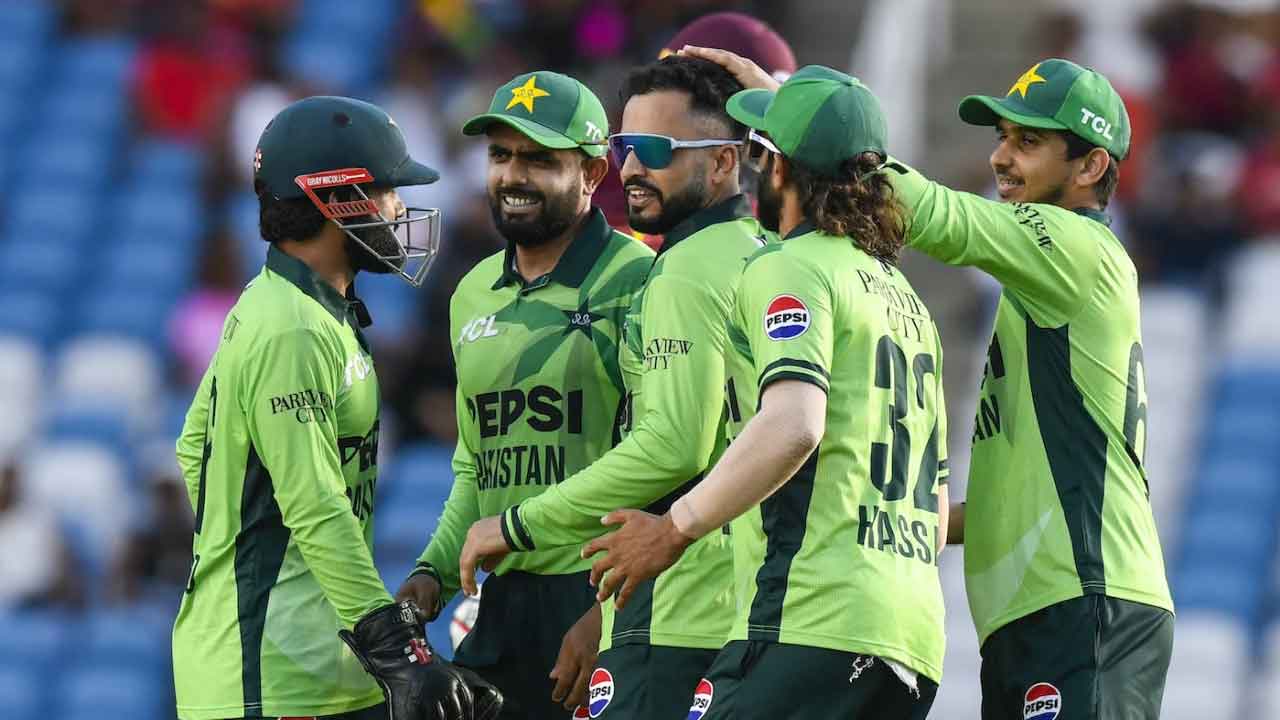
Pakistan all‑rounder Mohammad Nawaz tested positive for a cannabis metabolite, earning a three‑month suspension that can be cut to one month after completing a treatment program. All match records from February to May have been nullified.
Key Takeaways
- Mohammad Nawaz tested positive for the inactive cannabis metabolite Carboxy‑THC.
- ICC imposed a three‑month ban, reducible to one month upon successful treatment.
- All match statistics from Feb 7 to May 1 have been disqualified.
The International Cricket Council (ICC) announced that Pakistan’s spin‑bowling all‑rounder Mohammad Nawaz breached the ICC Anti‑Doping Code after a test during the T20 World Cup returned positive for Carboxy‑THC, an inactive metabolite produced after cannabis consumption. The substance was deemed a “substance of abuse” and not linked to performance enhancement.
Nawaz accepted responsibility and the three‑month period of ineligibility, which will be back‑dated to May 1 when he entered a voluntary provisional suspension. If he completes the ICC‑approved substance‑abuse rehabilitation programme to the council’s satisfaction, the ban will be reduced to a single month.
The positive result came from a test conducted after Pakistan’s match against the Netherlands in Colombo on February 7. The tournament was co‑hosted by India and Sri Lanka, with Pakistan playing its fixtures in Sri Lanka under an ICC agreement. Nawaz affirmed that the cannabis was consumed out‑of‑competition and bore no connection to his sporting performance.
Historical Background
ICC’s anti‑doping framework was introduced in the early 2000s to align cricket with global sport‑cleaning standards. Notable precedents include the 2009 suspension of Mohammad Amir for a banned substance and the 2012 ban on Saeed Ajmal for a similar violation. These cases prompted stricter testing protocols, mandatory education for players, and a tiered sanction system that emphasizes both punishment and rehabilitation.
Why This Matters (इसके मायने क्या हैं)
Nawaz’s suspension not only stalls his personal career but also forces Pakistan’s selectors to reshuffle their spin‑bowling options ahead of upcoming series. BozokMedia analysis shows that such disruptions can affect team morale, influencing performance in high‑stakes matches and potentially altering sponsorship dynamics.
Public exposure of doping cases erodes fan confidence and may impact viewership revenues, especially in cricket‑obsessed markets. A successful treatment pathway, however, sends a positive signal that anti‑doping policies are both punitive and rehabilitative, encouraging athletes to seek help rather than conceal infractions.
"The goal of anti‑doping sanctions is to protect the integrity of the sport while offering a clear route to redemption; Nawaz’s reduced ban underscores that balance," said a former ICC anti‑doping official.
Frequently Asked Questions (अक्सर पूछे जाने वाले प्रश्न)
Q1: Does cannabis use enhance cricket performance?
A: The metabolite Carboxy‑THC is inactive and is not considered a performance‑enhancing substance; however, its use is prohibited outside competition under the anti‑doping code.
Q2: When can Nawaz return to international cricket?
A: If he fulfills the rehabilitation programme, his suspension could be reduced to one month, allowing him to be eligible to play by mid‑May.