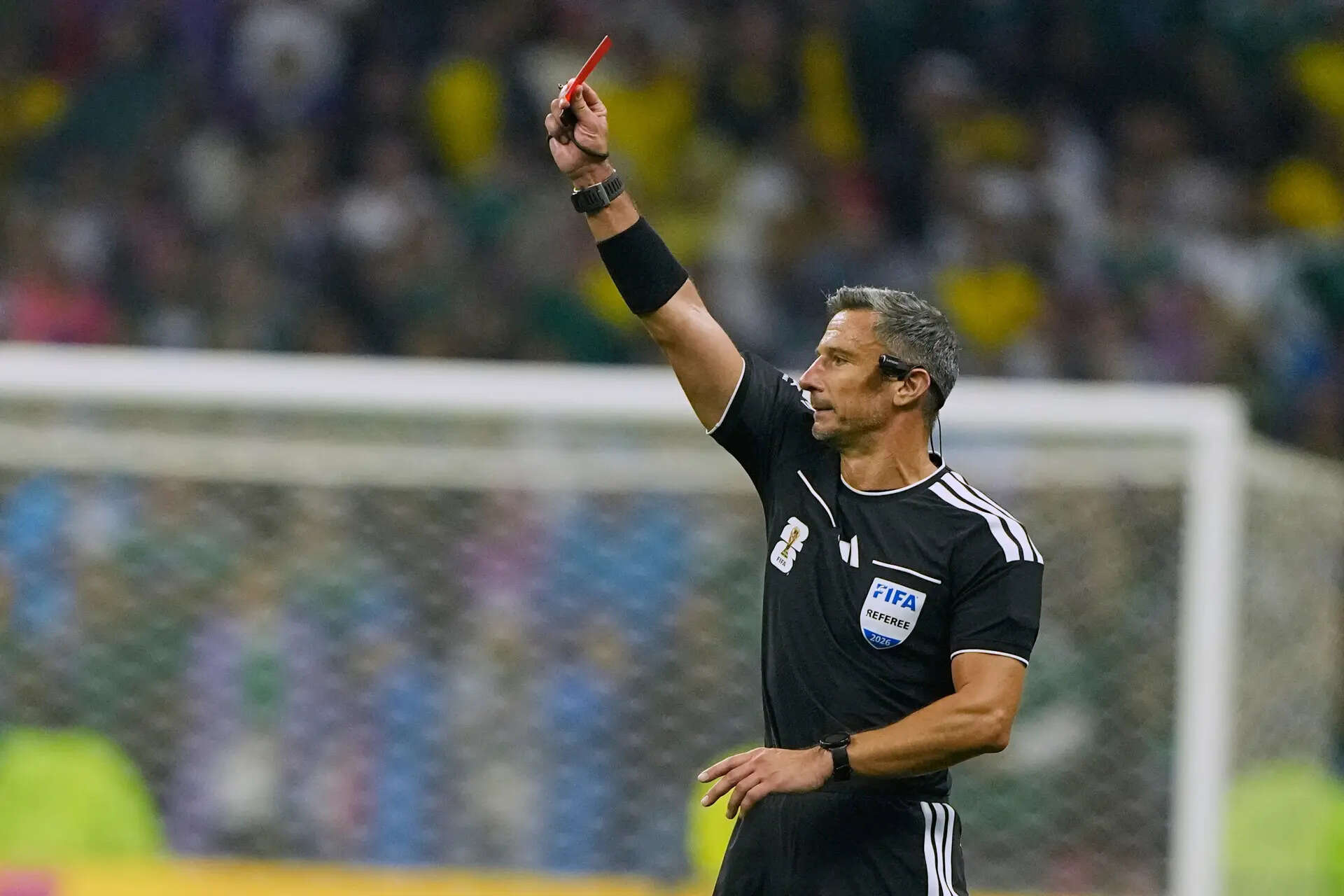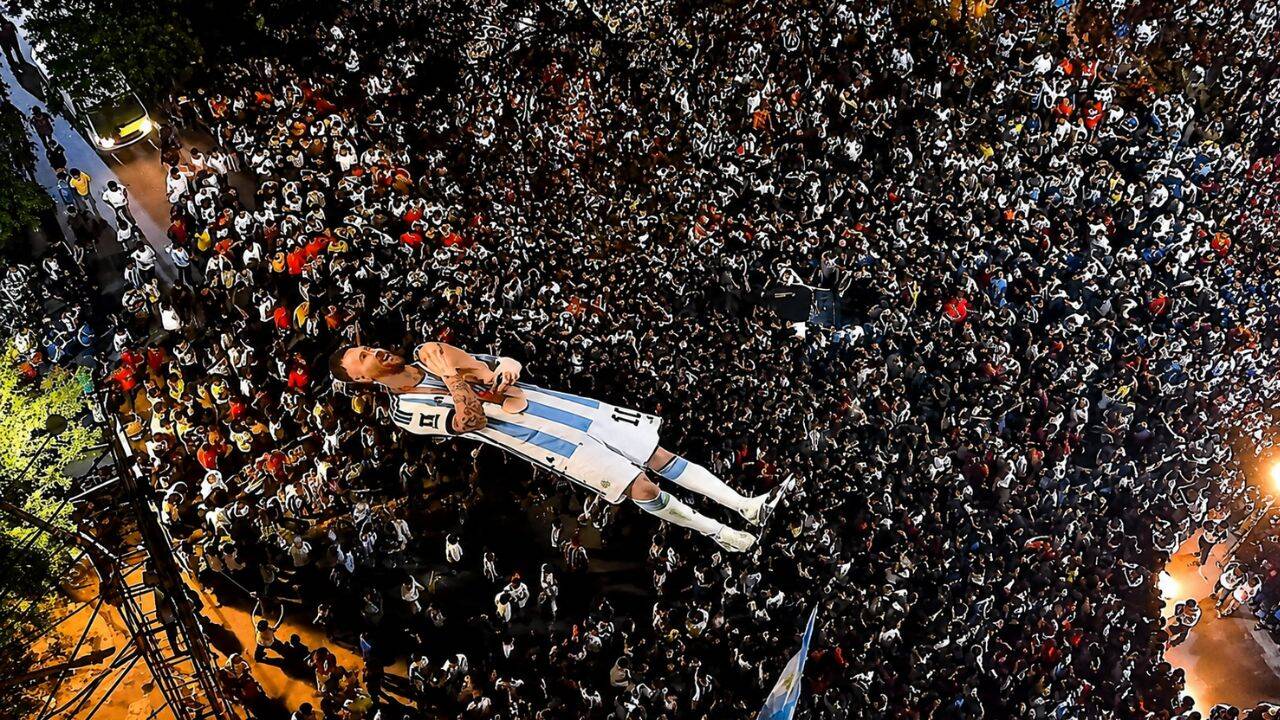
Kolhapur lit up its streets with 45‑foot cutouts of Messi, Ronaldo and Neymar during the World Cup, turning the city into a football showcase. Decades‑old clubs survive on community donations, proving the sport’s deep roots despite limited infrastructure.
Key Takeaways
- Kolhapur installed giant Messi‑Ronaldo cutouts to celebrate the World Cup.
- The city’s football heritage dates back to the early 1900s under Chhatrapati Rajaram.
- Local clubs rely almost entirely on public donations and community support.
Kolhapur, a city in central Maharashtra, stands out in a cricket‑obsessed nation by turning its streets into a football gallery. Massive 45‑foot iron‑frame cutouts of Lionel Messi, Cristiano Ronaldo and Neymar dominate busy crossroads, reminding onlookers that the World Cup’s final showdown lies between Argentina and Spain. Former player Vikas Patil observes, “The posters announce that Kolhapur is football‑crazy in a cricket‑crazy nation.”
Football arrived in Kolhapur in the early 20th century, credited to Chhatrapati Rajaram Maharaj, who is believed to have introduced the game after a trip to England around 1910. The Kolhapur Sports Association (KSA), founded in 1940 under the patronage of Chhatrapati Shahu Maharaj, has since overseen district leagues. During World War II, Polish refugees stationed near Kolhapur played matches against local teams, introducing passing techniques that shifted the game from pure strength to skill.
Today KSA manages 16 clubs each in the A and B divisions and around 80 in the C division. The historic Practice Football Club, established in 1927, still operates on a modest annual budget of roughly ₹15 lakh, primarily sourced from public donations. Club manager Shivtej Kharade notes, “We survive through the generosity of our neighborhoods and local politicians—not corporate sponsors.”
There is no official fan festival for the World Cup, yet volunteers and ad agencies like AbhiAds create and fund the towering cutouts. When Aniket Jadhav became the first Kolhapur‑born player to represent India at the FIFA U‑17 World Cup in 2017, his own cutout appeared city‑wide. Inflation and the monsoon season, however, threatened this year’s display, leaving organizers uncertain about erecting the structures.
Why This Matters
BozokMedia analysis shows that Kolhapur’s football celebrations generate micro‑economic activity: local printers, frame makers, and street vendors all see a surge in business, while youth are inspired to pursue the sport seriously. The event thus acts as both a cultural rally and an economic catalyst for the community.
Should the government invest in proper stadium infrastructure, Kolhapur could evolve into a national talent hub. Better facilities would attract higher‑level tournaments, increase sponsorship opportunities, and provide a clear pathway for local players to reach professional leagues.
"Kolhapur’s football tradition predates many metropolitan centers in India, illustrating the power of grassroots support," says football historian Dr. Arvind Joshi.
Frequently Asked Questions
Q1: How are the giant cutouts funded?
A: They are financed through community donations, local ad agencies, and modest fees for public‑space rentals.
Q2: What challenges do Kolhapur football clubs face?
A: They grapple with limited infrastructure, lack of corporate sponsorship, and reliance on public contributions for day‑to‑day operations.