Reports emerge that Indian captain Rohit Sharma declined a team management request to sit out the third ODI against Afghanistan. This decision reportedly forced Shubman Gill and the management into tough selection calls, delaying Yashasvi Jaiswal's integration into the ODI setup.
Key Takeaways
- Captain Rohit Sharma reportedly declined the management's recommendation to rest for the 3rd ODI against Afghanistan.
- This decision directly impacted young opener Yashasvi Jaiswal, who missed out on an opportunity to feature in the playing XI.
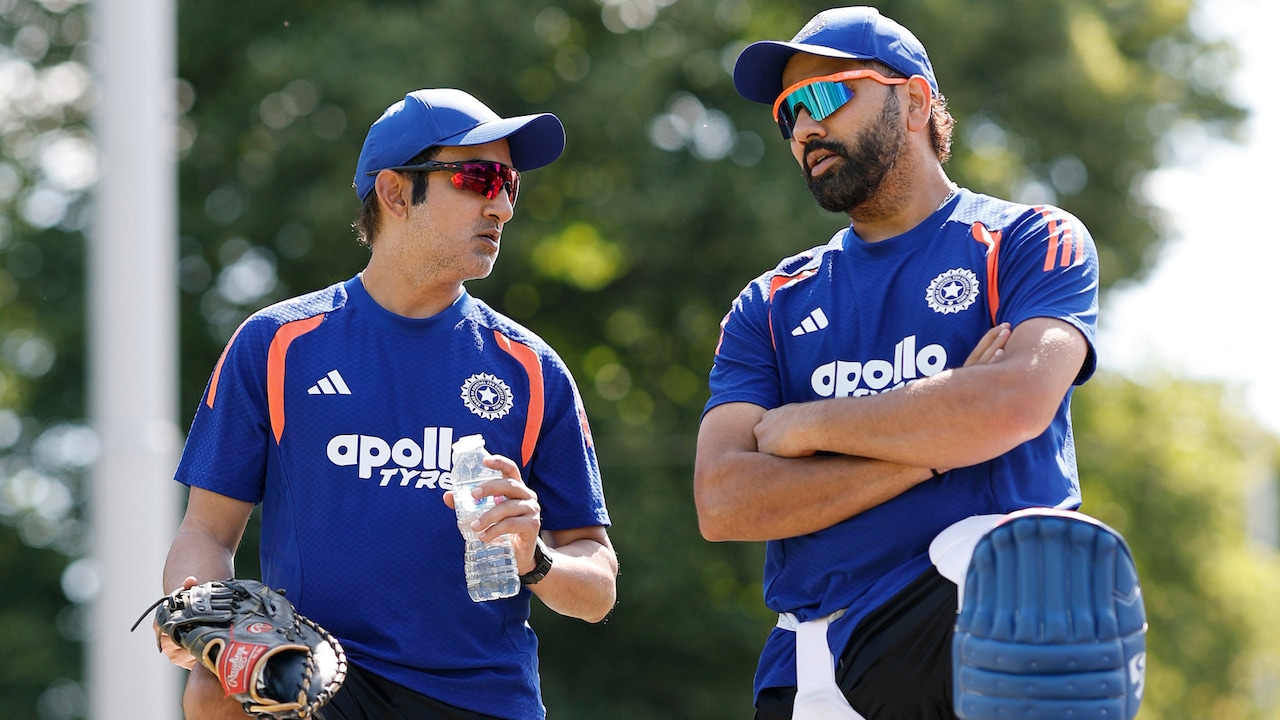
- The situation forced vice-captain Shubman Gill and coach Gautam Gambhir to make complex tactical adjustments.
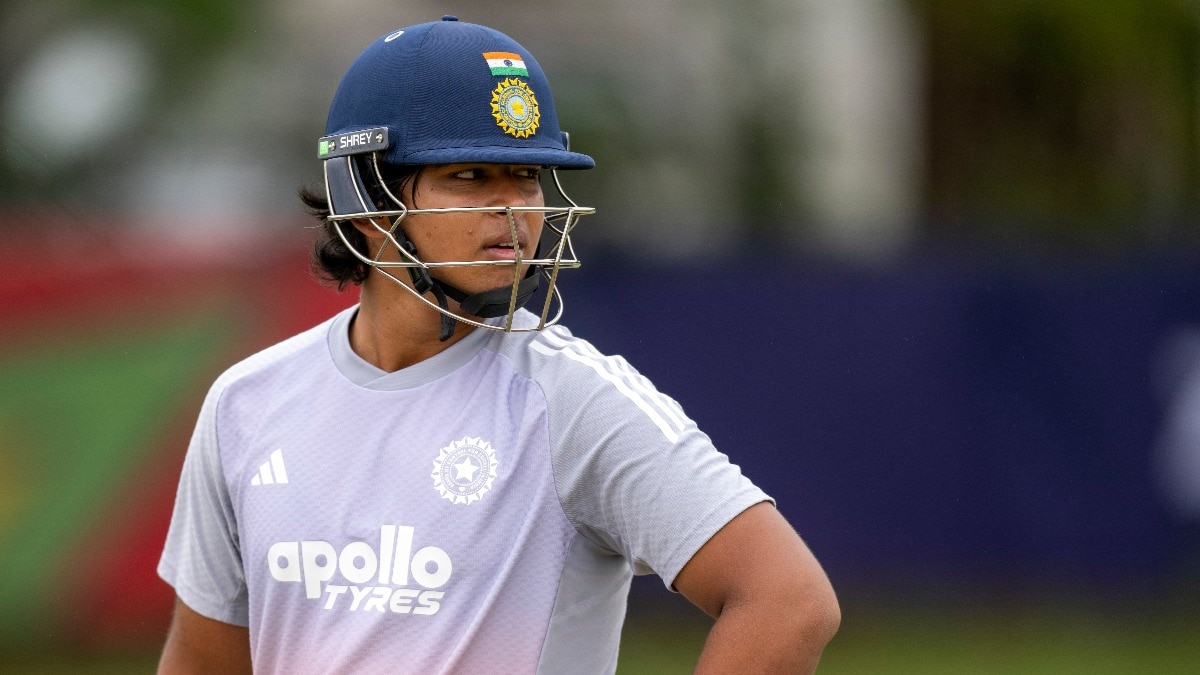
In a development that highlights the intense competition and selection dynamics within the Indian cricket team, reports have emerged that captain Rohit Sharma declined a request from the team management to sit out the third One-Day International (ODI) against Afghanistan. The team management, keen on testing bench strength and giving opportunities to younger talents, had suggested that the veteran opener take a break. However, Rohit's refusal meant that the explosive young batsman Yashasvi Jaiswal had to wait longer for his opportunity in the 50-over format.
Historical Background: The Transition Phase in Indian Cricket
Indian cricket is currently undergoing a crucial transitional phase under the leadership of head coach Gautam Gambhir. Historically, managing the transition from legendary veterans to emerging superstars has been a challenging task for Indian selectors. Players like Yashasvi Jaiswal have shown incredible promise in Tests and T20Is, making their integration into the ODI setup a top priority for future ICC tournaments, including the upcoming Champions Trophy. However, senior players like Rohit Sharma and Virat Kohli remain indispensable due to their unmatched experience and match-winning capabilities.
| Aspect | Rohit Sharma (The Veteran) | Yashasvi Jaiswal (The Challenger) |
|---|---|---|
| Role in Team | Captain, Experienced Opening Batsman | Emerging Aggressive Opener |
| Current Objective | Maintaining match fitness and leadership continuity | Securing a permanent spot in the ODI squad |
| Management View | Wants him fresh for major ICC knockout games | Wants to give him maximum game-time exposure |
Why This Matters
BozokMedia analysis shows that this selection dilemma is not merely about a single bilateral match, but rather about the long-term blueprint of Indian cricket. When a senior captain refuses rest, it signals an intense hunger to play every game, but it also inadvertently creates a bottleneck for younger talents waiting in the wings. Shubman Gill, as a rising leader, and Gautam Gambhir face the delicate task of balancing respect for senior legends with the pragmatic need to build a future-ready squad.
Furthermore, BozokMedia analysis indicates that such selection friction can test the dressing room harmony. Gautam Gambhir's coaching philosophy has always emphasized 'team first' over individual milestones. How the management navigates Rohit's desire to play every game while grooming Jaiswal as the next-generation opener will define India's success in the upcoming cycle of ICC events.
"In Indian cricket, managing the egos and aspirations of legendary players while integrating fearless youth is the ultimate test of leadership for any coach-captain duo."
Frequently Asked Questions (Frequently Asked Questions)
Q1: Why did the management want Rohit Sharma to rest?
A1: The management wanted to manage Rohit's workload and simultaneously give Yashasvi Jaiswal valuable game time to prepare the bench strength for future ICC tournaments.
Q2: What role did Shubman Gill play in this scenario?
A2: As a key part of the leadership group, Gill had to align with Gautam Gambhir's tactical decisions and adjust the batting order and team strategy accordingly.