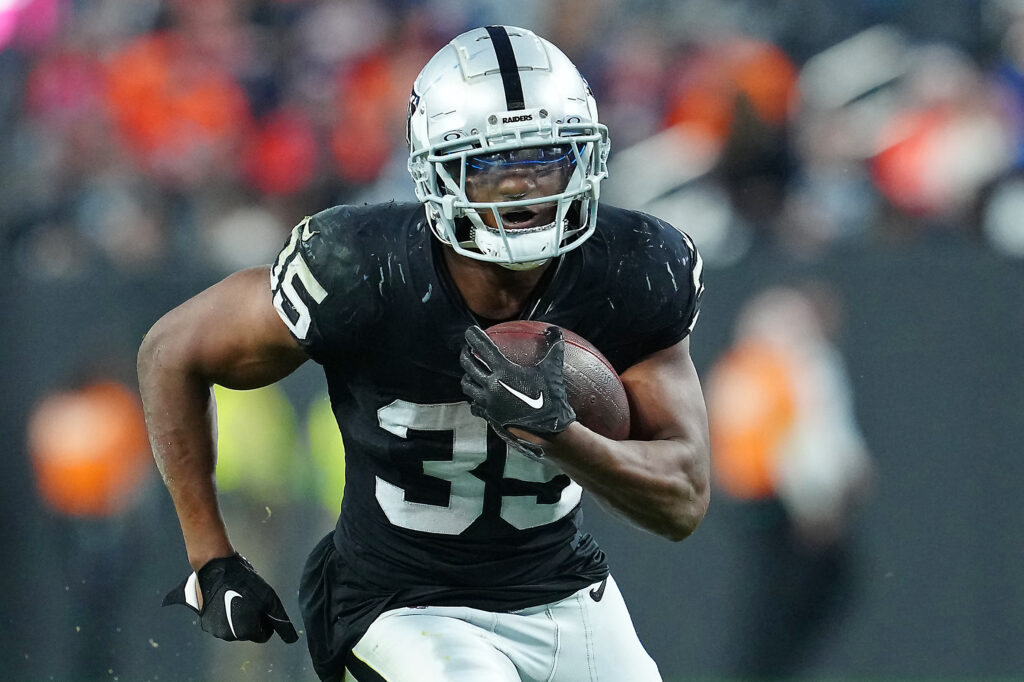
In a surprising offseason move, the New Orleans Saints have traded linebacker Deion Jones to the San Francisco 49ers in exchange for running back Zamir White.
- Deion Jones moves from Saints to 49ers.
- Zamir White joins the New Orleans Saints roster.
- Strategic shift for both franchises' defensive and offensive cores.
The NFL offseason has been thrown into chaos by a sudden and unexpected blockbuster trade. The New Orleans Saints have officially moved linebacker Deion Jones to the San Francisco 49ers. In a direct exchange, the Saints have acquired running back Zamir White to bolster their ground game.
This move caught many league analysts off guard, as Deion Jones was considered a pivotal component of the Saints' defensive identity. By trading him, the Saints are signaling a significant shift in their roster construction, prioritizing offensive explosiveness over defensive continuity.
Why This Matters
BozokMedia analysis shows that this trade represents a high-stakes gamble for both organizations. The 49ers are doubling down on their defensive prowess, aiming to create a more formidable front seven, while the Saints are betting on White's ability to carry the load in their offensive scheme.
This trade reshapes the competitive landscape of the NFC, forcing both teams to recalibrate their seasonal expectations.
Historically, trades involving high-impact defensive players for offensive starters often indicate a team's desperation to fix a specific unit. For the Saints, the focus is clearly on the running back position, which has been a point of contention in recent seasons. For the 49ers, Jones provides the versatility needed to combat high-powered offenses.
Frequently Asked Questions
Question 1: What does the Saints gain from this trade?
Answer: The Saints gain running back Zamir White to strengthen their offensive backfield.
Question 2: How does this affect the 49ers' defense?
Answer: The 49ers gain an experienced linebacker in Deion Jones to bolster their defensive unit.