UEFA is prepared to end its threatened boycott of FIFA competitions following binding assurances that the global governing body will not attempt to sell stakes in the World Cup, as previously proposed by Gianni Infantino.
- FIFA has provided private assurances that it will not repeat the controversial plan to sell World Cup stakes.
- UEFA is poised to allow European teams to participate in the upcoming U-20 Women's World Cup.
- Major teams like England, France, and Spain are now cleared for travel to tournament venues.
- The dispute stemmed from Gianni Infantino's 'FIFA Forward Enterprise' proposal.
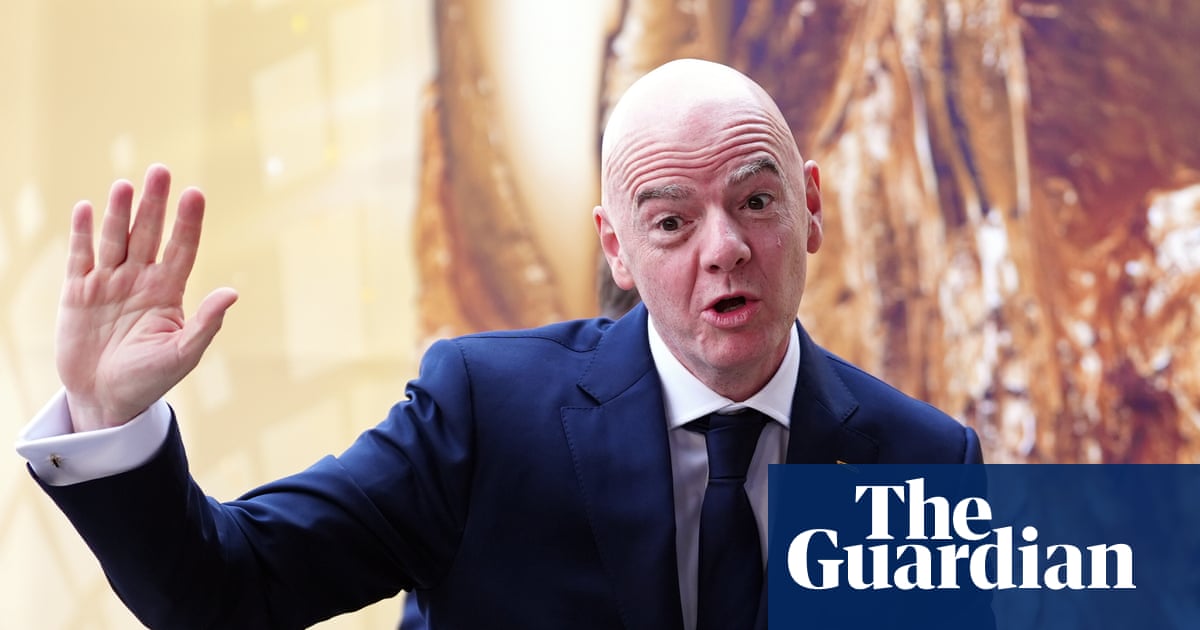
In a significant development for international football, UEFA is poised to drop its threatened boycott of FIFA competitions. This follows concrete, binding guarantees from the global governing body that it will never again attempt to implement Gianni Infantino’s ill-fated plan to sell stakes in the FIFA World Cup.
The tension reached a breaking point when the 'FIFA Forward Enterprise' (FFE) proposal was revealed. The plan, which aimed to privatize aspects of the World Cup, was met with fierce resistance from European football authorities who viewed it as a move that would 'disfigure the game.' While FIFA initially withdrew the proposal, UEFA insisted on formal assurances that no similar privatization scheme would ever be tabled again.
Why This Matters
BozokMedia analysis shows that this standoff was a critical test of football's governance. A prolonged boycott would have not only disrupted major tournaments like the Under-20 Women's World Cup but could have also signaled a permanent schism between the European confederation and the global body, potentially destabilizing the entire sport's commercial and competitive structure.
The fact that FIFA was forced to mitigate for its president's actions represents a significant moment of accountability in football politics.
With the boycott threat being lifted, the path is clear for England, who have already named their squad, to travel to Poland for their opening match against Canada on September 5. Other European nations, including France, Spain, Portugal, and Italy, are also expected to proceed with their tournament preparations without the shadow of a boycott hanging over them.
While the decision to drop the boycott has not yet been made public, it is expected to be a primary topic of discussion during the upcoming UEFA Executive Committee meeting in Monte Carlo. The meeting, which brings together 55 heads of member associations, will take place ahead of the Champions League draw and will likely address the future of FIFA leadership.
Historical Background
The relationship between UEFA and FIFA has often been characterized by power struggles and conflicting interests. The recent controversy surrounding the FFE proposal is part of a larger, ongoing debate regarding the commercialization of football versus the preservation of its traditional integrity. The resistance from European sides highlights the significant influence UEFA holds in the global football ecosystem.
Frequently Asked Questions
1. What was the 'FIFA Forward Enterprise' proposal?
It was a plan proposed by Gianni Infantino that suggested selling stakes in the FIFA World Cup to private entities.
2. Which teams are most affected by this decision?
European teams like England, France, and Spain, who were prepared for the U-20 Women's World Cup, are the primary beneficiaries of this resolution.