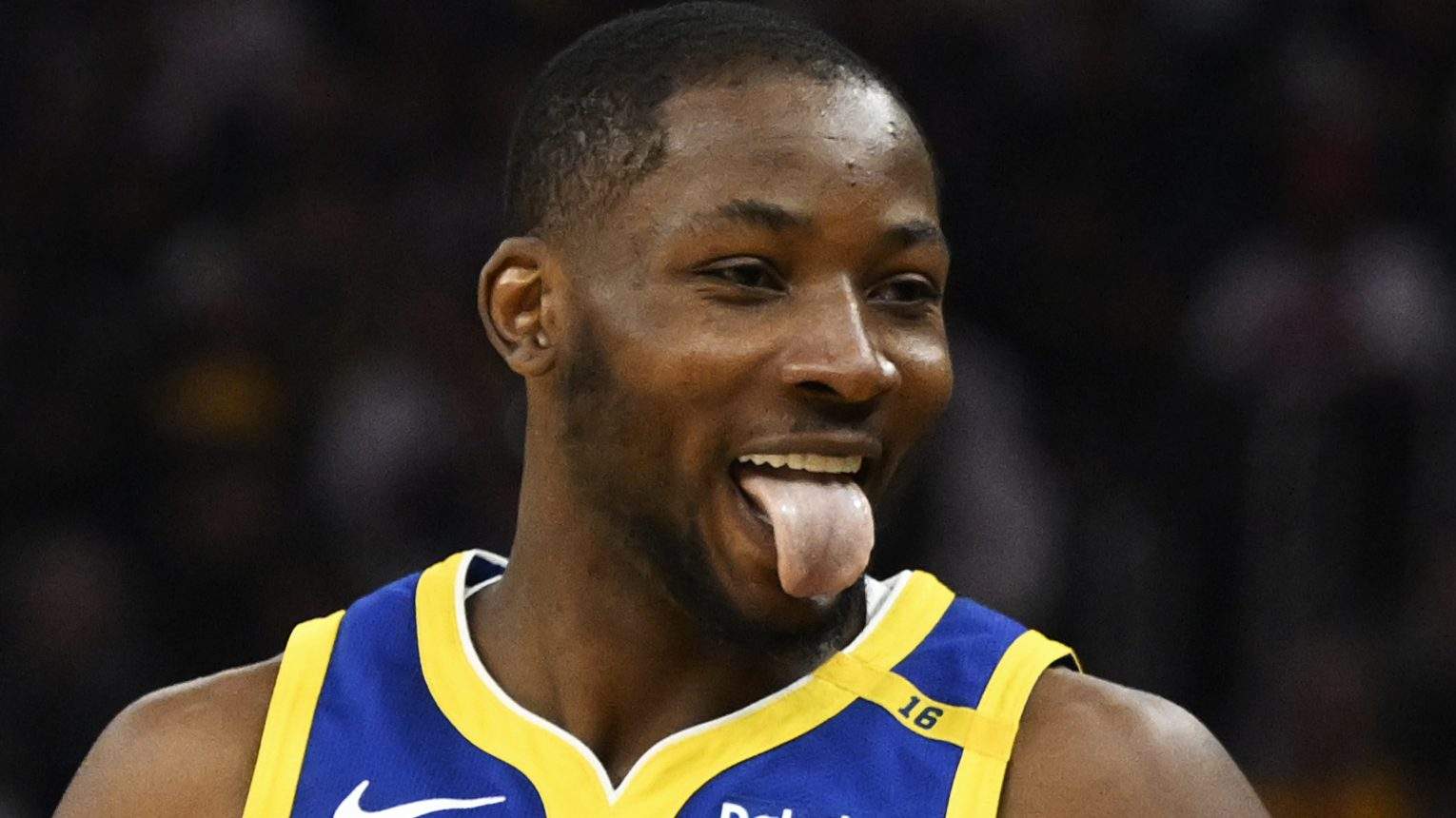
The NBA trade landscape shifts as Jonathan Kuminga opts for a high-stakes gamble with the Timberwolves over a stable Lakers deal. Meanwhile, Minnesota faces a massive salary cap crisis.
- Jonathan Kuminga bypassed a stable three-year deal with the Lakers to join Minnesota on a one-year, $6 million contract.
- The Minnesota Timberwolves are facing a salary cap crisis, exceeding the $220 million 'second apron' limit.
- The Los Angeles Lakers face limited options for roster improvement following the Kuminga decision.
The 2026 NBA trade rumor mill has reached a fever pitch. With Bennedict Mathurin heading to New Orleans and Jonathan Kuminga making a pivotal decision regarding his future, the league's landscape is shifting rapidly. Kuminga's choice to prioritize long-term earning potential over immediate stability has sent ripples through the league.
Minnesota Timberwolves find themselves in a precarious financial position. By signing Kuminga, the team's salary has climbed to $222 million, pushing them past the strict $220 million 'second apron' threshold. To avoid severe penalties, the Wolves must shed at least $2 million. The primary target for unloading is Josh Green, but his $14 million salary and the team's lack of tradable draft picks make finding a landing spot extremely difficult.
Why This Matters
BozokMedia analysis shows that the NBA's evolving collective bargaining agreement (CBA) is turning roster construction into a high-stakes math problem. Teams like the Timberwolves are finding that signing talent can inadvertently cripple their ability to make future moves due to the punitive nature of the second apron.
Kuminga isn't just choosing a team; he is betting on his own market value to hit the $25 million mark next summer.
For the Los Angeles Lakers, the narrative of 'losing' Kuminga is somewhat misplaced. The Lakers were constrained by sign-and-trade rules that would have capped his annual salary at $12 million for three years. Kuminga, eyeing a $25 million per year trajectory, chose the volatility of Minnesota over the safety of Los Angeles. This leaves the Lakers in a position where they must now work with existing assets like Jarred Vanderbilt, hoping he regains his value to facilitate future trades.
The trade market remains active with several high-profile names. Kyrie Irving of the Mavericks and Mikal Bridges of the Knicks are surfacing in discussions, though no imminent moves are expected. The complexity of these trades lies in the financial flexibility required to absorb large contracts without hitting apron limits.
| Player | Current Team | Trade Status | Key Factor |
|---|---|---|---|
| Jonathan Kuminga | Timberwolves | Signed | Chose risk over Lakers' stability |
| Josh Green | Timberwolves | Targeted | High salary, no draft picks |
| Jarred Vanderbilt | Lakers | Retained | Focus on health and value recovery |
Frequently Asked Questions
Question 1: Why did Kuminga reject the Lakers?
Answer: He preferred a one-year deal in Minnesota to prove he is a $25 million player, rather than a locked-in $12 million deal with LA.
Question 2: What is the Timberwolves' main problem?
Answer: They are over the $220 million second apron and need to reduce their salary without having draft picks to trade.