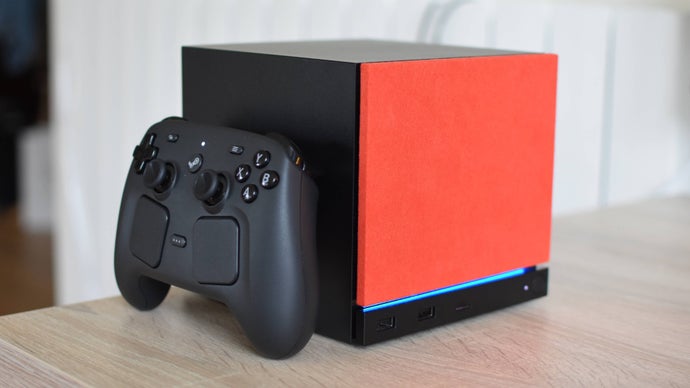
Valve engineers warn that the ongoing global RAM shortage is intensifying, driven by massive AI data center demands. With retail price impacts lagging behind wholesale supply by several months, PC gamers should brace for potential price hikes.
Key Takeaways
- Valve engineers Yazan Aldehayyat and Pierre-Loup Griffais warn that the global RAM shortage is worsening.
- Retail market prices are lagging behind bulk wholesale supply constraints by three to six months.
- The surge in AI data centers is the primary driver of the global DRAM supply crunch.
Valve engineers Yazan Aldehayyat and Pierre-Loup Griffais have delivered a sobering warning to the PC gaming community: the global RAM shortage is not only persisting but is actively getting worse. During a recent interview with Bloomberg, the engineers behind Valve's hardware initiatives highlighted that the current stability in retail hardware prices is a temporary illusion, masking a severe bottleneck in the bulk supply chain.
According to Aldehayyat, what consumers currently see on store shelves lags behind wholesale supply realities by three to six months. This means that while DDR5 SO-DIMM modules and compact SSDs (like the Crucial P310 or WD Black SN770M) have maintained relatively stable pricing recently, the upstream supply crunch has yet to fully manifest at the retail level. This lag creates a false sense of security for consumers hoping for cheaper hardware.
| Aspect | Previous Market Situation | Current & Upcoming Outlook |
|---|---|---|
| RAM & SSD Pricing | Relatively stable, minor fluctuations at retail level. | Imminent price hikes expected due to a 3-6 month supply lag. |
| Primary Demand Driver | Standard consumer PC and gaming console manufacturing. | Massive AI data centers consuming bulk DRAM supply. |
| Hardware Availability | Steady stock of DDR5 and compact storage modules. | Severe wholesale shortages affecting hardware manufacturers. |
Why This Matters
BozokMedia analysis shows that the convergence of artificial intelligence infrastructure and consumer hardware manufacturing is creating an unsustainable equilibrium. As tech giants build resource-intensive, compute-heavy AI data centers, they are effectively cannibalizing the DRAM supply chain. This shift prioritizes high-margin enterprise clients over the consumer gaming market, threatening to push PC building and handheld console ownership into a luxury hobby category.
For ordinary consumers and gamers, this means the dream of affordable next-generation gaming hardware is slipping away. If major manufacturers like Lenovo, Zotac, and Valve are bracing for a prolonged crisis, retail prices will inevitably rise. This supply-chain disruption could stall the adoption of modern DDR5 standards and force developers to optimize for older, less capable hardware configurations.
"The massive resource appetite of AI data centers is distorting the semiconductor supply chain, leaving consumer hardware manufacturers to scramble for leftovers." — BozokMedia Hardware Analyst
Historical Background
The semiconductor industry is no stranger to cyclical shortages. In 2020, the COVID-19 pandemic triggered a massive supply chain crisis that drove GPU and silicon prices to astronomical heights. Just as the market began to stabilize, the sudden boom in generative artificial intelligence in late 2022 created a new, unprecedented demand for high-bandwidth memory (HBM) and DRAM. Tech conglomerates have since funneled billions into building massive server farms, prioritizing AI capabilities over traditional consumer electronics, leading to the current 'RAMnarök' phenomenon.
Frequently Asked Questions
Q1: Why is there a global RAM shortage?
A1: The shortage is primarily driven by the rapid expansion of AI data centers, which consume massive quantities of DRAM and high-bandwidth memory, diverting supply away from consumer electronics.
Q2: When will RAM and SSD prices go up for retail buyers?
A2: According to Valve engineers, retail prices lag behind bulk supply shortages by three to six months, meaning price increases could hit store shelves in the coming quarters.