Apple has filed a lawsuit in California's Northern District Court accusing OpenAI, its commercial arm, and two former employees of stealing trade secrets to boost OpenAI's hardware ambitions. The legal clash intensifies the rivalry as both firms vie for AI‑driven consumer devices.
Key Takeaways
- Apple files lawsuit against OpenAI and two former employees
- Alleges misappropriation of trade secrets to accelerate hardware efforts
- Legal clash could reshape the AI‑hardware partnership
On July 11, Apple lodged a complaint in the U.S. District Court for the Northern District of California accusing OpenAI, its commercial entity OpenAI Foundation, hardware startup io Products, and former engineers Chang Liu and Tang Yew Tan of illegally acquiring and using Apple’s confidential hardware data.
Legal Allegations
The filing claims Liu, a senior systems electrical engineer, failed to return a company‑issued laptop and exploited an authentication bug to infiltrate Apple’s internal network, downloading “dozens of Apple’s confidential hardware‑related files.” Tang, now OpenAI’s head of hardware, is alleged to have systematically exported internal supplier lists, design briefs, and industry analyses to his personal email before departing Apple, where he spent 24 years shaping the iPhone and Apple Watch.
From Partnership to Competition
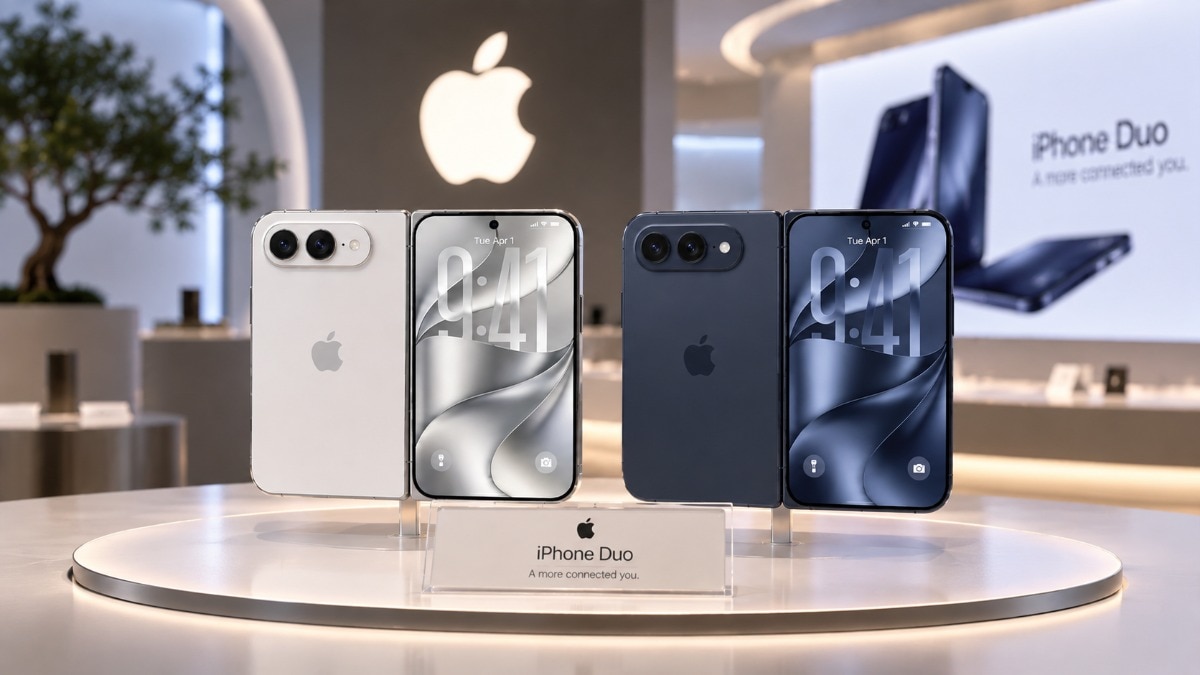
Apple and OpenAI previously collaborated: Apple integrated its “Apple Intelligence” suite across iOS and enabled ChatGPT access through Siri, while iPhone users could subscribe to ChatGPT directly from settings. Yet OpenAI’s recent $6.5 billion acquisition of io Products—founded by former Apple designer Jony Ive—signals a shift toward building its own consumer hardware, potentially a rival smartphone.
Industry Implications
Analysts such as Paolo Pescatore of PP Foresight warn that even if the allegations remain unproven, the lawsuit could stall OpenAI’s hardware rollout and further strain an already fragile partnership. A ruling favoring Apple may force OpenAI to overhaul its recruitment and supplier‑engagement practices, while also setting a precedent for how AI firms handle inherited corporate knowledge.
Future Outlook
Should the court side with Apple, the decision could reverberate across the tech sector, reinforcing strict boundaries on the use of former employees’ proprietary information and shaping the competitive landscape of AI‑enabled consumer devices.